In industrial production, high-temperature environments pose extremely stringent requirements on the performance of equipment, especially for valves, which are key components. High temperatures not only alter the physical and mechanical properties of metal materials but also lead to a series of problems in valves, such as seizing, scoring, and fatigue aging, which severely affect their normal operation and service life. Therefore, when designing and selecting materials for high-temperature valves, it is essential to fully consider the impact of high temperatures and take scientific and rational measures to ensure the reliability and stability of valves under high-temperature conditions.
The impact of high temperatures on metal materials is multifaceted. Firstly, the mechanical properties of materials, such as strength, hardness, ductility, modulus of elasticity, and Poisson's ratio, change with increasing temperature. For example, the creep temperature of carbon steel is around 400℃. When the temperature exceeds this threshold, the strength of carbon steel significantly decreases while its ductility increases. Similarly, the creep temperatures for chromium-molybdenum alloy steel, austenitic iron-based high-temperature alloy steel, nickel-based high-temperature alloy, aluminum alloy, and titanium alloy are 450℃, 540℃, 650℃, 200℃, and 310℃, respectively. These materials all exhibit varying degrees of creep behavior at high temperatures, which means that under constant stress, the deformation of the material increases over time. This creep behavior can cause changes in the dimensions of valve components, thereby affecting the sealing performance and overall structural stability of the valve.
Secondly, high temperatures also cause thermal expansion in metal materials. Different materials have different coefficients of thermal expansion, which means that the expansion of components such as valve seats and valve cores will vary at high temperatures. If the expansion of these components is not matched, it can lead to seizing or scoring between them. Moreover, due to high-temperature exchange, the connection between the valve seat and the guide casing may become loose, further exacerbating the fatigue aging problem of valve components.
After gaining a deep understanding of the impact of high temperatures on metal materials, we come to the core of high-temperature valve design. Designing a valve that can operate stably in high-temperature environments is no easy task, as it requires a comprehensive consideration of many key factors, with every detail potentially determining the success or failure of the valve.
When designing high-temperature valves, it is crucial to pay special attention to the impact of thermal expansion. Since valve seats and valve cores have different coefficients of thermal expansion, their expansion at high temperatures will also vary. To effectively reduce seizing or scoring between components due to temperature, it is necessary to appropriately increase the working clearance between valve components. The amount of increase in this clearance should be determined by the material's coefficient of thermal expansion, stress, and actual operating temperature. Through precise calculations and rational design, it is possible to ensure that the valve maintains good motion and sealing performance at high temperatures.
In high-temperature environments, the connection stability between the valve seat and the guide casing is an important design consideration. Due to heat exchange, the connection between these components may become loose, thereby affecting the overall structural stability of the valve. In design, it is necessary to take corresponding countermeasures according to specific circumstances, such as adopting more reliable connection methods or increasing the strength of connection components, to ensure the stability and reliability of the valve under high-temperature conditions.
High temperatures have a significant impact on the mechanical properties of materials. When designing high-temperature valves, it is essential to fully consider the impact of these factors on valve performance. For example, changes in the strength, hardness, and ductility of materials affect the load-bearing capacity and wear resistance of the valve; changes in the modulus of elasticity and Poisson's ratio affect the deformation characteristics and sealing performance of the valve. Therefore, when selecting materials, it is necessary to choose materials with appropriate high-temperature properties according to the specific working conditions and requirements of the valve to ensure its normal operation in high-temperature environments.
To meet the structural material requirements of high-temperature valves, it is necessary to consider the hardness, impact resistance, and wear resistance of the materials. Materials with high hardness can better resist wear and deformation, thereby increasing the service life of the valve. Materials with strong impact resistance can withstand greater impact loads, ensuring the stability of the valve under complex working conditions. Materials with strong wear resistance can effectively reduce wear caused by friction, reducing maintenance costs. When selecting materials for the valve body, thermal expansion should be the focus, while also taking into account these mechanical property requirements.
The probability of component failure significantly increases in high-temperature environments. Therefore, this must be fully considered when designing high-temperature valves. For example, the material of the valve body can be made of stainless steel and treated with welding on the surface to enhance its wear resistance and corrosion resistance. In addition, the design of the frame should take into account the pressure generated during actual use and set a pressure-resistant fixed value for the frame to ensure sufficient pressure resistance and effectively minimize corrosion.
After exploring the key considerations in the design of high-temperature valves, we move on to another important aspect of their design: structural design and optimization. Structural design is the crucial step that combines theory with practice, directly determining the performance of the valve in high-temperature environments.
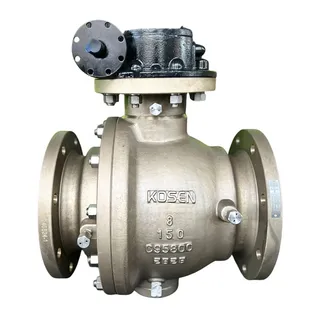
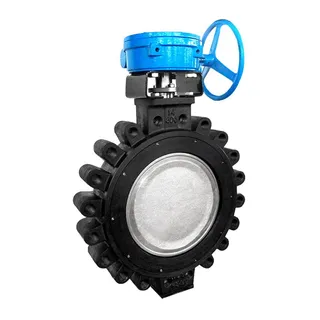
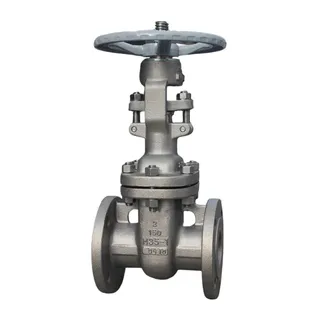
To counteract the impact of thermal expansion and contraction caused by high temperatures on valve sealing performance, the thermal expansion compensation structure of butterfly valves and the clamping treatment of gate valves are effective methods to eliminate these adverse effects. When selecting valves, priority should be given to valve discs with good thermal expansion compensation performance. The thermal expansion compensation capability of commonly used globe valves, from highest to lowest, is as follows: ball valves, gate valves, ball valves, mechanically balanced plug valves, and metal-sealed butterfly valves. When the medium temperature exceeds the initial creep temperature of the bolt material, it is not recommended to use wafer butterfly valves and check valves. Therefore, when deciding to use gate valves of DN50 and above, gate valves with elastic valve clamps should be chosen to enhance the thermal expansion compensation capability of the valves.
The connection method of valves is also very important in high-temperature environments. In simple high-temperature environments, if welding connections are not used, it is recommended to use welding connections when high-temperature conditions are combined with pressure, and the nominal pressure rating of the valve should be higher than or equal to 300 class (for class series) or PN100 (for PN series). If high-temperature conditions are combined with flammable media, and the medium temperature exceeds the autoignition point and flash point, welding connections are also recommended. In addition, for valves used in high-temperature steam pipelines (3.5MPa and above) or other pipelines considered by engineering designers, a bypass should be installed on the valve to prevent damage to the valve caused by thermal shock.
For the pressure-bearing components of valves, manufacturers should be required to conduct creep tests on materials to provide type test data and improve their material quality control levels. This includes controlling surface defects, internal defects, and non-metallic inclusions. When the medium temperature exceeds the initial creep temperature of the bolt material, the potential stress relaxation of the bolts on the valve body sealing performance should be assessed. This issue can be resolved by replacing with materials of higher creep temperature or taking other necessary measures. Additionally, since non-synchronous thermal expansion of valve components can generate additional forces on sealing components, hardening treatment should be applied to the sealing surfaces of valve clamps and seats to enhance sealing performance and wear resistance.
The design and material selection of high-temperature valves is a complex and crucial process that requires a comprehensive consideration of the impact of high temperatures on metal materials, the working conditions and requirements of valves, and the performance characteristics of various materials. Through rational design and scientific material selection, the performance and reliability of high-temperature valves in high-temperature environments can be effectively improved, ensuring the smooth progress of industrial production. In practical applications, suitable materials and structural designs should be chosen based on specific working temperature ranges, medium types, and pressure conditions, while paying attention to material quality control and test verification to meet the usage requirements of high-temperature valves. Only in this way can high-temperature valves operate stably and reliably in high-temperature environments for the long term, providing a reliable guarantee for industrial production.
During the design and material selection process of high-temperature valves, it is also necessary to continuously pay attention to the development of new materials and technologies, actively explore more efficient and reliable solutions, and meet the increasingly complex challenges of high-temperature working conditions. With the continuous progress of science and technology, it is believed that the design and manufacturing levels of high-temperature valves will continue to improve, making greater contributions to the safe and efficient operation of industrial production.