Pressure Seal Gate Valve
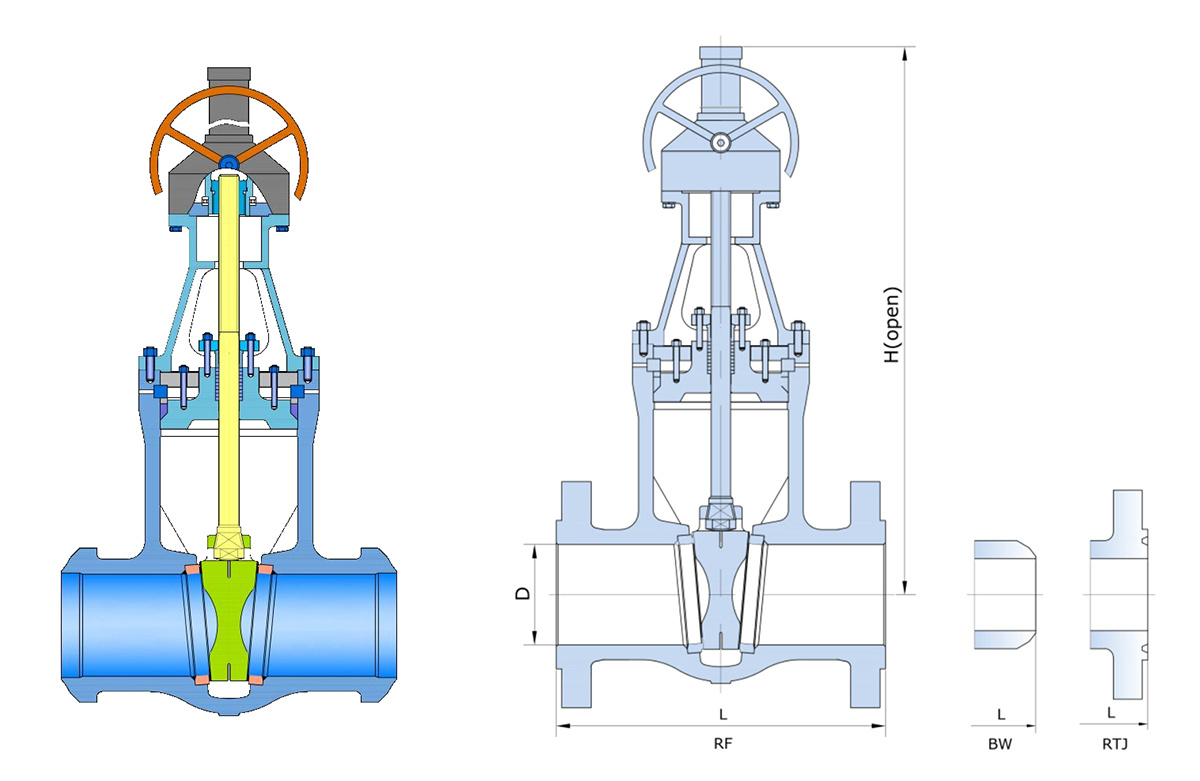
The pressure seal gate valve features a self-tightening seal structure on the valve cover, effectively preventing media leakage and ensuring higher safety and reliability. This design performs exceptionally well in high-temperature and high-pressure conditions, avoiding the issue of the gate being wedged due to elevated temperatures. Compared to traditional gate valves with bolted valve covers, the pressure seal gate valve achieves a better sealing effect under high-pressure conditions, as the valve cover sealing ring is driven by its own pressure, making it particularly suitable for high-temperature and high-pressure applications.
Pressure Seal Gate Valve Product List

ASTM A182 F304 Gate Valves, API 600, 6 Inch, CL1500, BW, PSB

ASTM A182 F304 Gate Valve, API 600, 12 IN, CL900, Bevel Gear

ASTM A182 F92 Wedge Gate Valve, API 600, Alloy Steel, 8 Inch
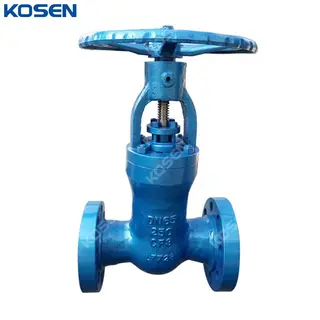
ASTM A351 CF8 Gate Valves, API 600, DN65, PN250, 2.5 IN, PSB
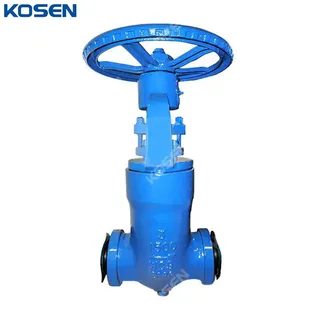
ASTM A216 WCB PSB Gate Valve, API 600, 3 Inch, 1500 LB, BW
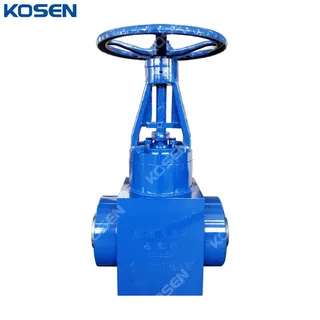
12Cr1MoV Wedge Gate Valve, API 600, DN125, PN420, BW, PSB
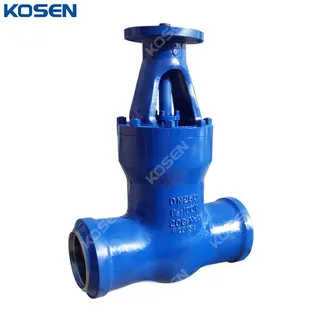
Power Station Gate Valve, 20CrMoV, API 600, DN250, PN100, BW
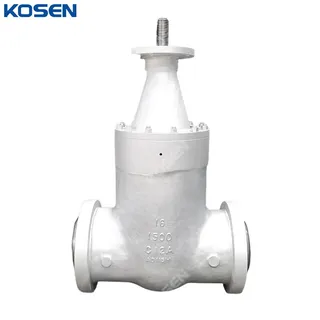
ASTM A217 C12A Gate Valve, API 600, 16 Inch, CL1500, PSB, BW
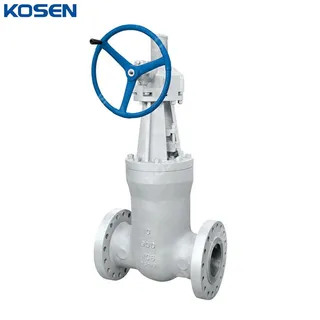
ASTM A217 WC6 Gate Valve, ASME B16.34, 10 Inch, 900 LB, PSB
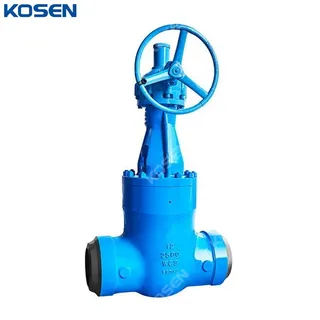
ASTM A217 WC9 Gate Valve, API 600, 12 Inch, CL2500, PSB, BW
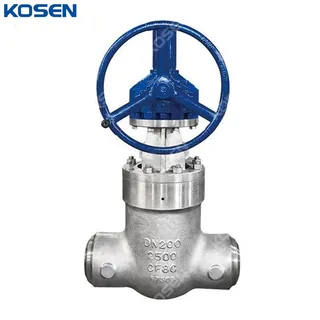
ASTM A351 CF8C Gate Valve, API 600, 16 IN, CL2500, PSB, BW
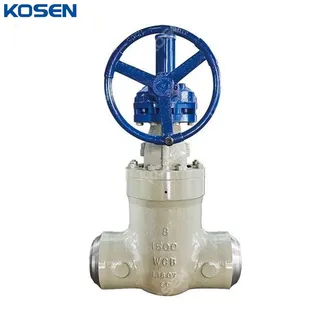
API 600 PSB Gate Valves, ASTM A216 WCB, 8 Inch, 1500 LB, BW
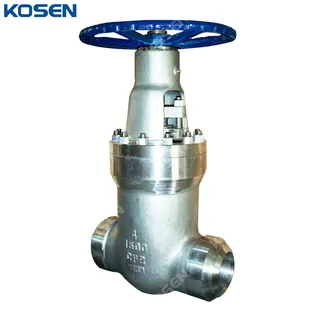
ASTM A351 CF8 PSB Gate Valve, API 600, 4 Inch, 1500 LB, BW
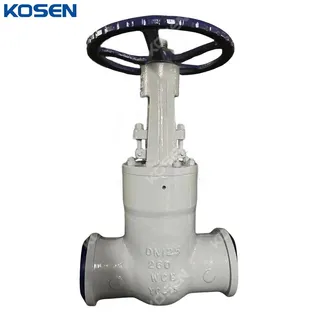
ASME B16.34 PSB Gate Valve, A216 WCB, DN125, 5 IN, 1500 LB
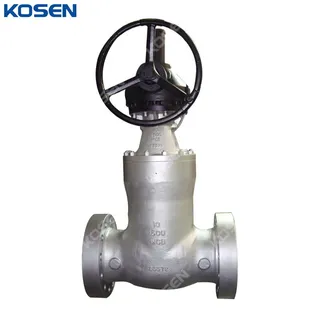
API 600 PSB Gate Valve, ASTM A216 WCB, 10 Inch, CL1500, RTJ
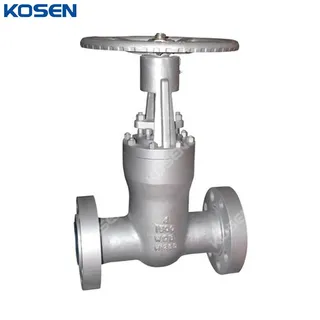
ASTM A216 WCB Gate Valve, API 600, 4 IN, 1500 LB, PSB, RTJ
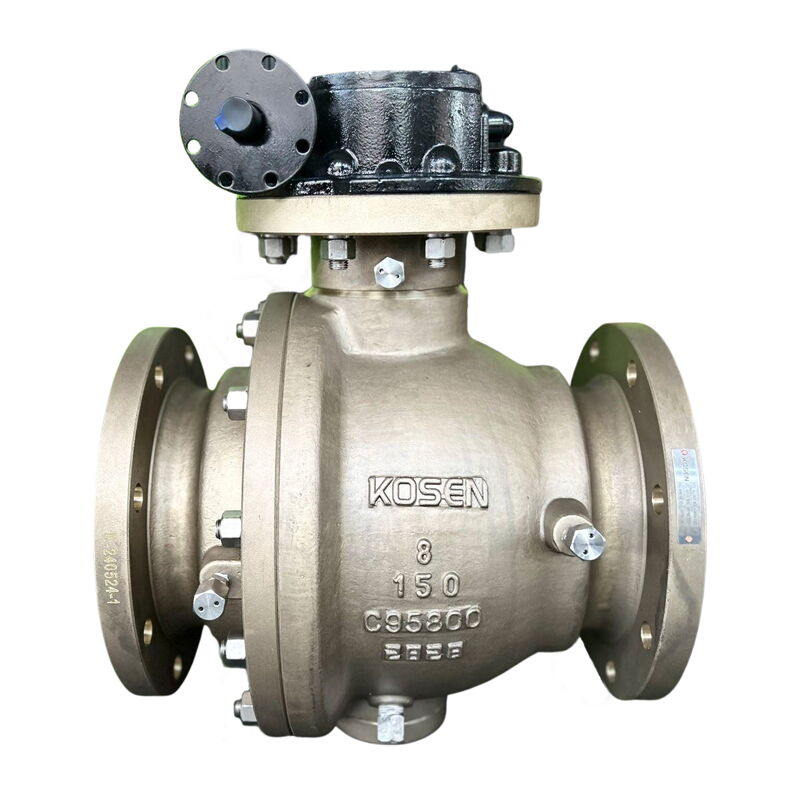
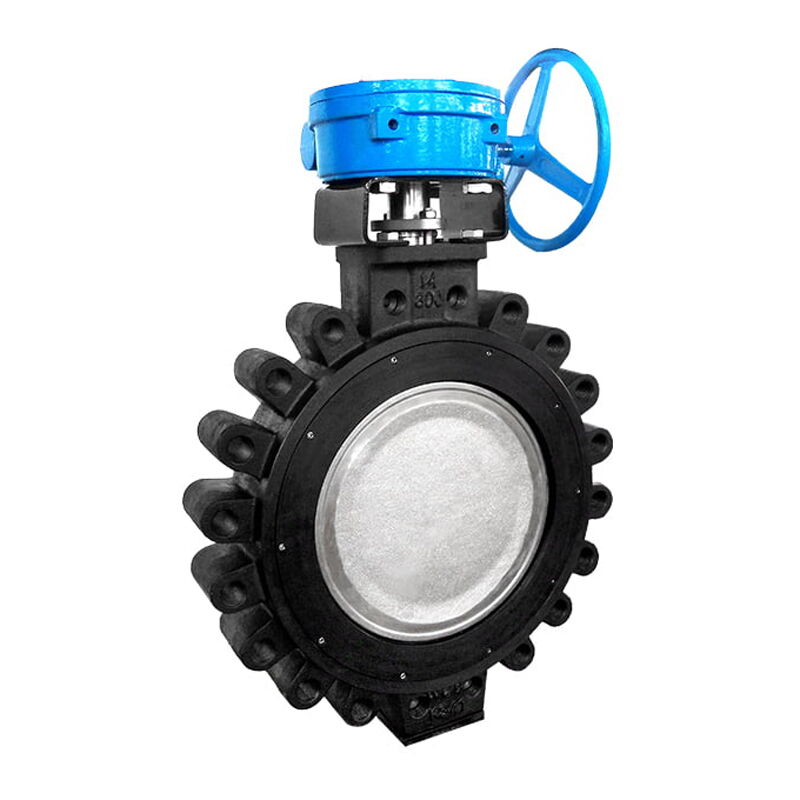
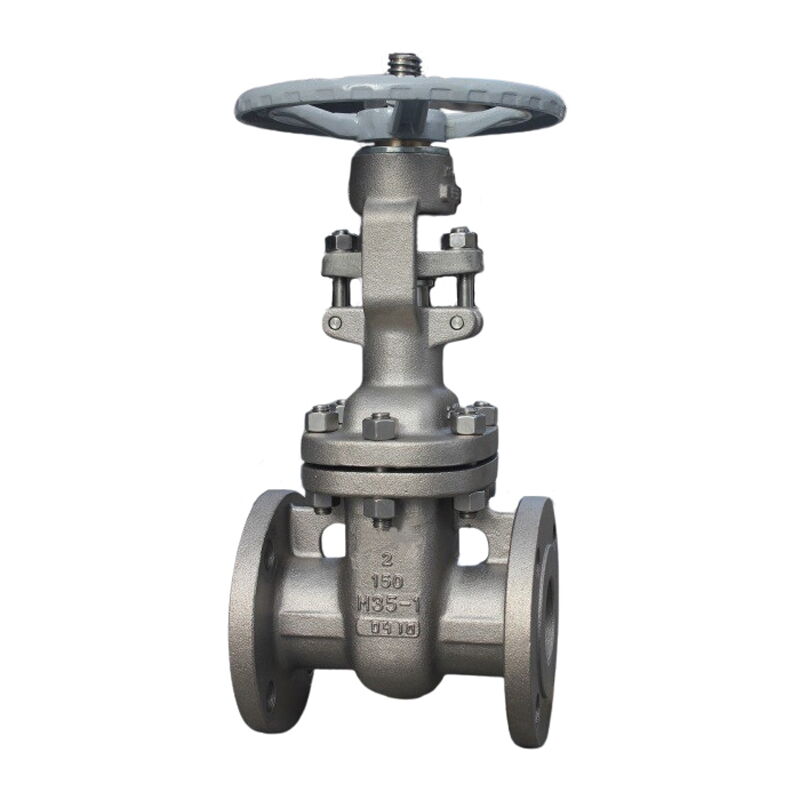
- Pressure Seal Bonnet Valves: Pressure seal bonnet valves are a compact alternative to bolted bonnet designs, especially suitable for high-pressure applications. In a pressure seal valve, the bonnet closure assembly is designed so that internal fluid pressure acts on the bonnet, increasing the compressive load on the sealing gasket and creating a self-energizing seal. Unlike bolted bonnet designs, the sealing effectiveness of a pressure seal bonnet improves as internal pressure increases.
- Pressure Seal Gate Valves: Gate valves are multi-turn linear motion valves with a rising stem, meaning multiple handwheel rotations are required for full opening or closing of the valve. Gate valves are designed to operate only in fully open or fully closed positions. If used in a partially open condition, the gate may vibrate or chatter, and erosion (wire drawing) may occur at the seating surfaces. Therefore, gate valves should not be used for flow regulation. Gate valves close by rotating the handwheel clockwise and open by rotating it counterclockwise. For handwheel-operated valves, the position of the stem above the handwheel indicates whether the valve is open or closed. In gear-operated valves, where the stem top may not be visible, a position indicator is provided to show valve status. The valve closes by driving the disc downward into the seat ring area. The disc and seat rings are precisely machined and lapped to ensure tight sealing. When the valve is fully open, the stem back-seats in the bonnet to provide additional sealing protection.
- Types of Pressure Seal Gate Valves: Based on disc design, pressure seal gate valves are classified into two types: Pressure Seal Flexible Wedge Gate Valve; Pressure Seal Parallel Slide Gate Valve.
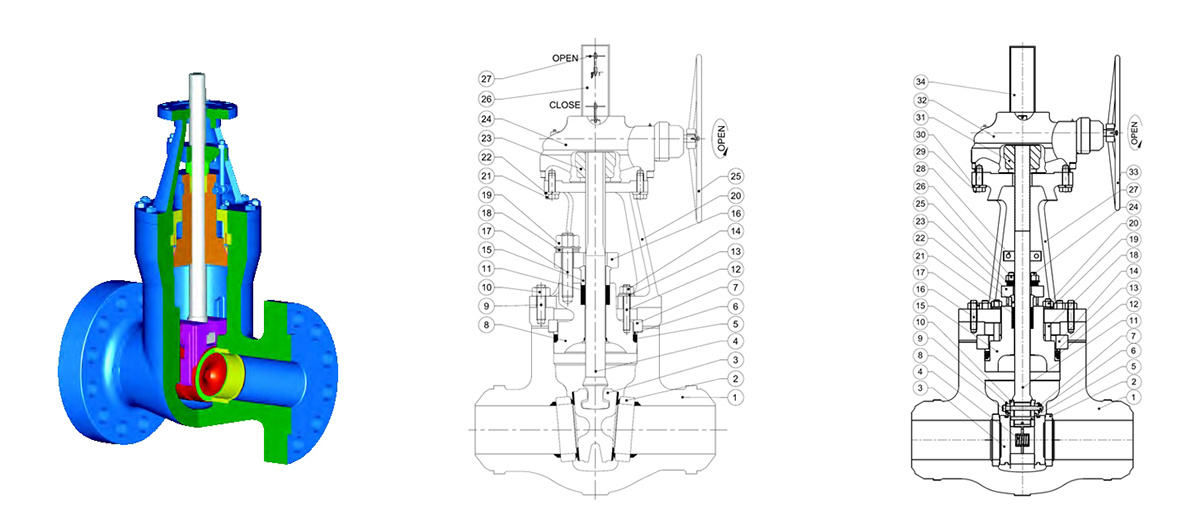
» Separated rings are designed to absorb the thrust along the stem generated by internal pressure.
» Sealing rings are used to withstand system pressure and prevent deformation of the gaskets.
» Stainless steel inlays are provided to ensure integrity and corrosion resistance in the critical body sealing zone for carbon steel and alloy steel valves.
» A mild steel gasket seal provides a large contact area to achieve reliable and effective sealing performance.
» The blowout-proof stem design features a tapered sealing surface that contacts the bonnet backseat when the valve is fully open, enhancing safety and sealing reliability.
» The flexible wedge design can compensate for seat face distortion and body deformation caused by pipeline stress.
» Seat rings with Stellite 6 hardfacing overlay are provided as standard and are installed using a seal-welded construction.