Lubricated Plug Valve
A lubricated plug valve features radial holes in the plug that allow lubricant to flow along the plug and seating surface, easing operation and preventing corrosion. It has a sealed central cavity with an injection fitting for the lubricant, which flows to lubricating grooves during operation. Proper sealant matching is essential to avoid contamination, seal failure, and leakage, ensuring reliable performance.
Lubricated Plug Valve Product List

Pressure Balanced Plug Valves, API 6D, BS 5353, WCB, 12 Inch

API 6D Inverted Plug Valve, A216 WCB, 8 IN, CL300, Lubricated

BS 5353 Lubricated Plug Valve, A216 WCB, 4 Inch, 300 LB, RF

ASTM A216 WCB Inverted Plug Valve, BS 5353, 3 IN, Lubricated
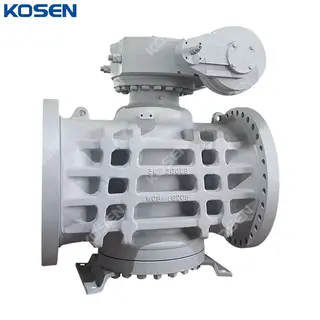
Carbon Steel Lubricated Plug Valve, A216 WCB, 36 Inch, CL300
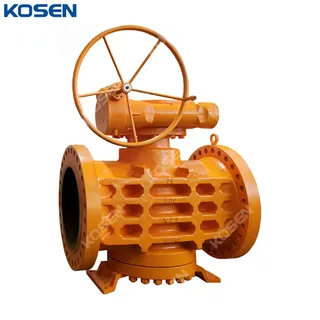
API 599 Plug Valve, ASTM A216 WCB, 26 Inch, 600 LB, RF Ends
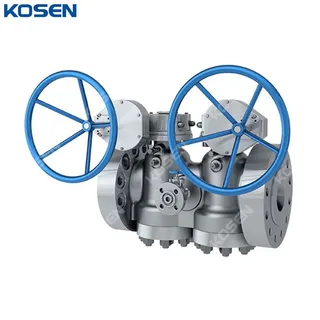
Pressure Balanced Twin Plug Valve, API 6D/API 599, 1/2-16 IN
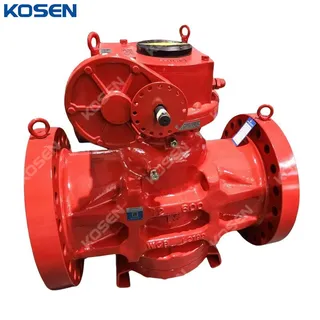
Inverted Type Plug Valve, API 6D, A216 WCB, 12 Inch, 600 LB
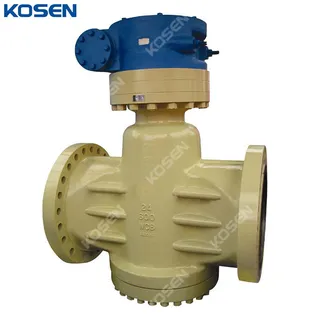
API 6D Plug Valve, A216 WCB, 24 IN, CL600, Pressure Balanced
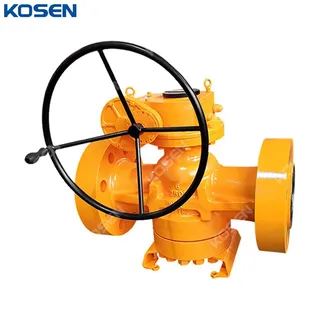
Inverted Lubricated Plug Valve, API 6D, A216 WCB, 2500 LB
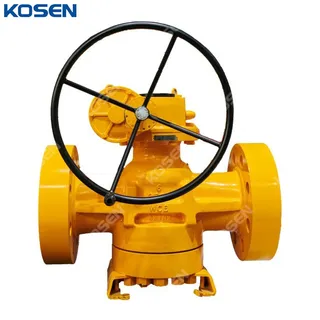
ASTM A216 WCB Plug Valves, API 6D, API 599, 6 Inch, 2500 LB
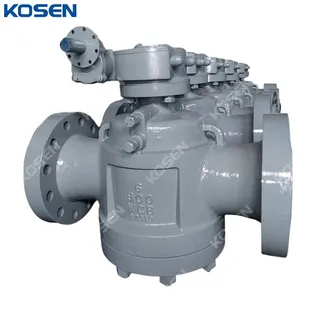
Pressure Balanced Plug Valve, API 599, A216 WCB, 6 IN, CL900
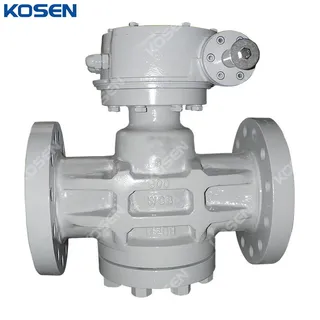
ASTM A216 WCB Plug Valve, API 6D, 6 Inch, CL600, Lubricated
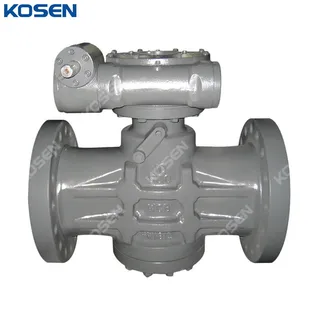
API 6D Lubricated Plug Valves, ASTM A216 WCB, 10 IN, CL600
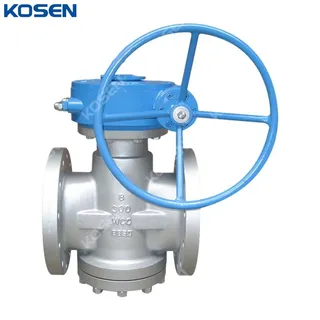
ASTM A216 WCC Lubricated Plug Valve, API 6D, 8 IN, CL300, RF
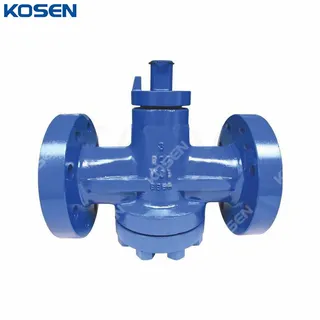
API 6D Lubricated Plug Valve, A216 WCB, 3 Inch, 900 LB, RTJ
A lubricated plug valve is a quarter-turn, metal-seated valve that uses injected lubricant (sealant) to reduce friction, ensure bubble-tight sealing, and protect the seating surfaces from corrosion and abrasion. It is particularly suitable for high-pressure, high-temperature, and dirty service applications. The valve features a tapered or cylindrical plug with internal grooves that distribute sealant across the seating surfaces.
- Sealing mechanism: A sealant gun injects lubricant into a network of grooves on the plug and seat surfaces. The sealant reduces operating torque, acts as a protective barrier, and ensures tight sealing performance.
- Quarter-turn operation: The valve operates with a 90-degree rotation, enabling fast and efficient opening and closing, making it suitable for quick shut-off applications.
- Durability: Designed for severe service conditions, including abrasive slurries and high-pressure oil and gas applications, typically in accordance with API 6D requirements.
- Body design: The valve body is generally tapered or cylindrical and engineered to achieve minimal or zero leakage performance.
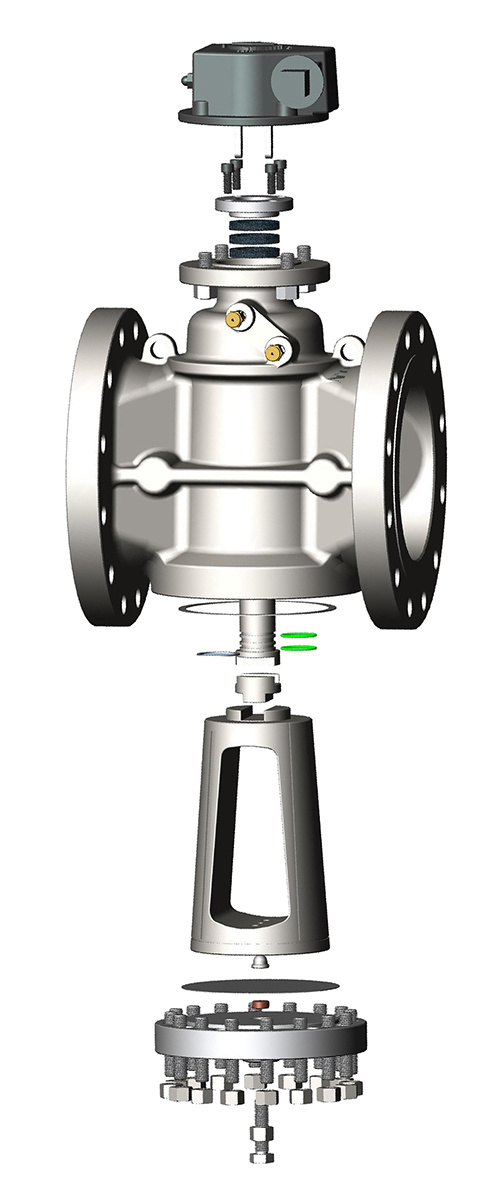
This type of plug valve features a tapered plug installed from the bottom of the valve body and is typically metal-seated, making it suitable for high-pressure and high-temperature service conditions. Sealant injection fittings are provided on both the stem and plug to maintain sealing performance during operation.
The valve stem includes a shoulder at the lower end and is securely retained by the stuffing box to prevent accidental stem blowout under operating conditions. Alternative designs can be provided upon request.
Because the plug and stem are partially supported by non-metallic sealing components (such as seat and stem seals), static charge accumulation may occur during operation. To address this, a grounding design is incorporated to maintain continuous metal-to-metal contact between the rotating plug/stem assembly and the valve body, safely dissipating any static charge to the valve body.
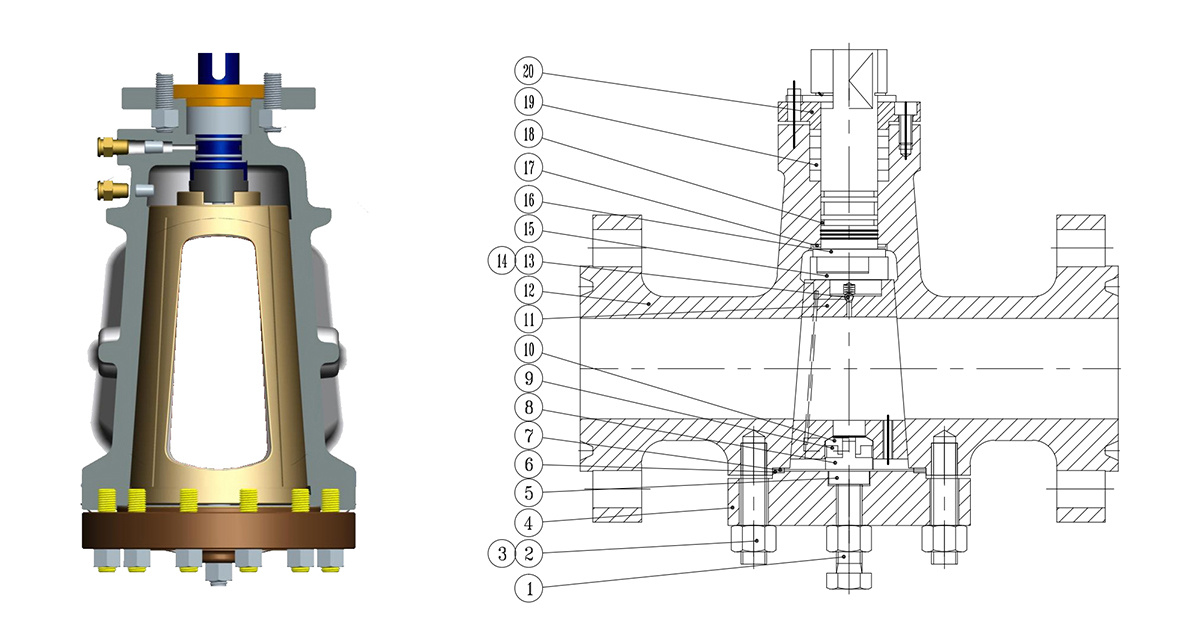
The valve body adopts a flip-type structure with integral casting, providing high strength, good rigidity, and uniform stress distribution. The center of gravity of the valve and the pipeline are essentially aligned, ensuring stable and reliable operation. The body sealing cone surface is finished by high-speed precision grinding, achieving a surface roughness better than Ra 0.8.
The valve uses an inverted plug design with an integral forged structure, followed by precision machining and surface grinding to achieve a surface roughness up to Ra 0.4.
The plug surface can be treated with nickel-phosphorus alloy plating, nitriding, or hard alloy thermal spraying to enhance surface hardness. With supersonic hard alloy spraying, the surface hardness can reach above 65 HRC. After nickel-phosphorus treatment and heat treatment, hardness can reach 58–60 HRC, providing excellent wear resistance under oil film lubrication.
The upper part of the plug cone is equipped with a check valve to compensate for oil pressure in the upper chamber of the valve. The lower oil balance hole allows process medium pressure to be introduced to the bottom of the plug, pressing it against the valve body to enhance sealing performance.
A metal sealing structure with grease lubrication is adopted. The injected sealing grease prevents solid particles in the medium from entering the sealing interface, providing strong protection for the sealing surfaces.
Due to grease lubrication, operating torque is reduced, making operation smooth and easy. A specially designed asymmetric oil groove enables automatic grease replenishment during plug rotation without leakage, ensuring continuous oil film integrity and reliable sealing performance.
The asymmetric groove design also minimizes grease consumption, extends lubrication intervals, and prolongs service life. The cone sealing structure provides a large contact area, while oil film lubrication ensures long-term durability and stable sealing performance.
Stem strength and sealing performance are critical factors affecting valve operation and overall performance. Stem loading mainly results from packing friction, operating torque, and medium thrust.
The connection between the stem and plug adopts a slip-ring design, which reduces concentricity errors between the stem axis and plug cone surface, improving stress distribution and operational performance. The stem is designed with anti-blowout protection, and packing can be replaced online without removing the valve from service.
The stem sealing system adopts a triple-seal structure, including fire-resistant packing, O-ring sealing, and grease injection sealing. After machining, the stem surface roughness reaches Ra 0.4, ensuring reliable long-term sealing performance without frequent maintenance.
The stem is integrally forged and undergoes conditioning treatment to ensure high strength and toughness. The surface is nitrided or nickel-phosphorus plated to improve hardness and wear resistance.
The bottom bonnet serves as the load-bearing component at the base of the valve and provides structural support for the sealing gasket and bottom adjustment rod. It requires high rigidity and strength.
The bottom cover is sealed using a fully isolated integral gasket structure, ensuring reliable sealing when the bonnet bolts are tightened. The bottom adjustment rod adopts an internal design, and the gland is sealed after adjustment to achieve zero leakage.
The bottom adjustment rod supports the plug assembly and also provides a grounding path to dissipate static electricity generated during operation for safety and stability.