Cast Steel Gate Valve
A cast steel gate valve is a type of gate valve made from metal steel castings, primarily used in pipeline systems for on/off flow control. The valve's gate, which serves as the opening and closing component, moves perpendicular to the flow direction and can only be fully opened or fully closed, without the ability for regulation or throttling. Cast steel gate valves are made from metal steel or alloys, allowing for molding into the desired shape for specific applications.
Cast Steel Gate Valve Product List

Flexible Wedge Gate Valve, API 600, WCB, 6 Inch, 1500 LB, BW

ASTM A351 CF8M Wedge Gate Valve, API 600, 6 IN, 1500 LB, RTJ

ASTM A351 CF8 Wedge Gate Valve, 10 IN, CL600, RF, Bevel Gear

ASTM A351 CF8 Gate Valve, API 600, 16 Inch, 150 LB, Flanged

ASTM A351 CF8 Wedge Gate Valves, Stainless Steel, 12 IN, RF

Flexible Wedge Gate Valve, ASTM A217 C5, 6 Inch, 600 LB, RF

ASTM A217 C5 Gate Valve, API 600, Alloy Steel, 4 Inch, CL600
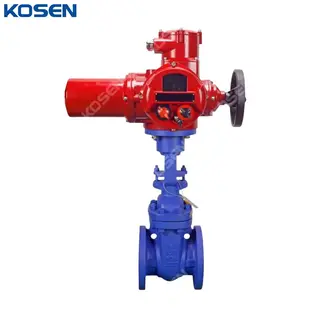
Electric Actuated Gate Valve, API 600, A216 WCB, 4 IN, CL150
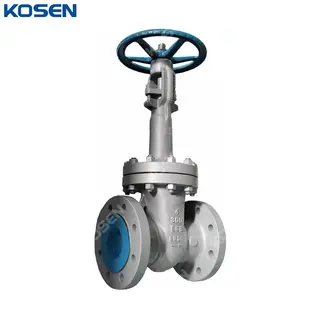
ASTM A352 LCB Wedge Gate Valve, API 600, 4 Inch, 300 LB, RF
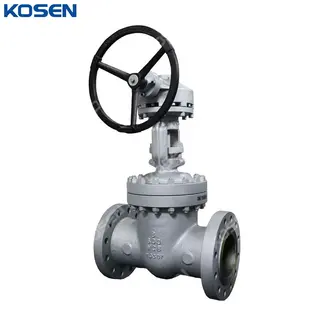
ASTM A216 WCB Wedge Gate Valves, API 600, 6 Inch, 600 LB, RF
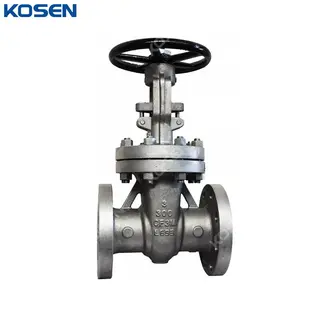
Stainless Steel Gate Valves, API 600, A351 CF3M, 3 IN, CL300
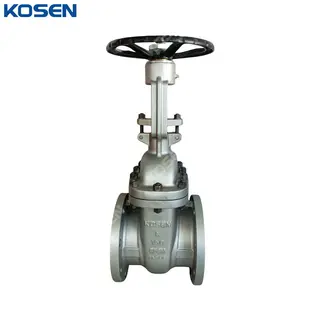
API 600 Wedge Gate Valves, ASTM A351 CF8M, 6 IN, 150 LB, RF
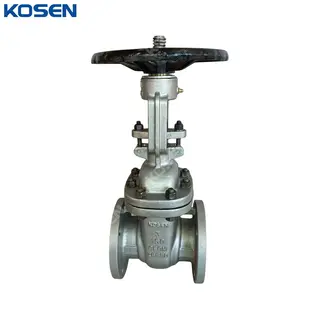
ASTM A351 CF8M Wedge Gate Valves, API 600, 3 IN, 150 LB, RF
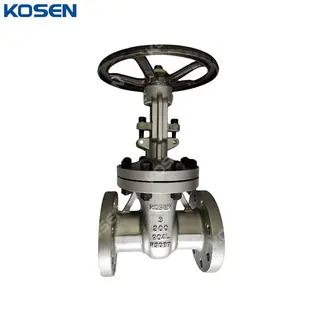
Stainless Steel Wedge Gate Valve, API 600, SS 904L, 3 IN, RF

SS 904L Wedge Gate Valve, Stainless Steel, 2 Inch, CL300, RF
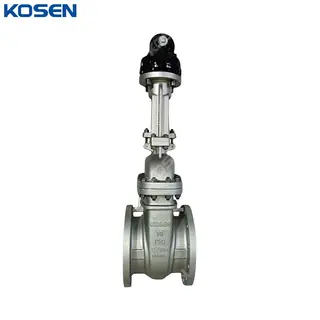
ASTM A351 CF8M Gate Valves, API 600, 10 Inches, CL150 LB, RF
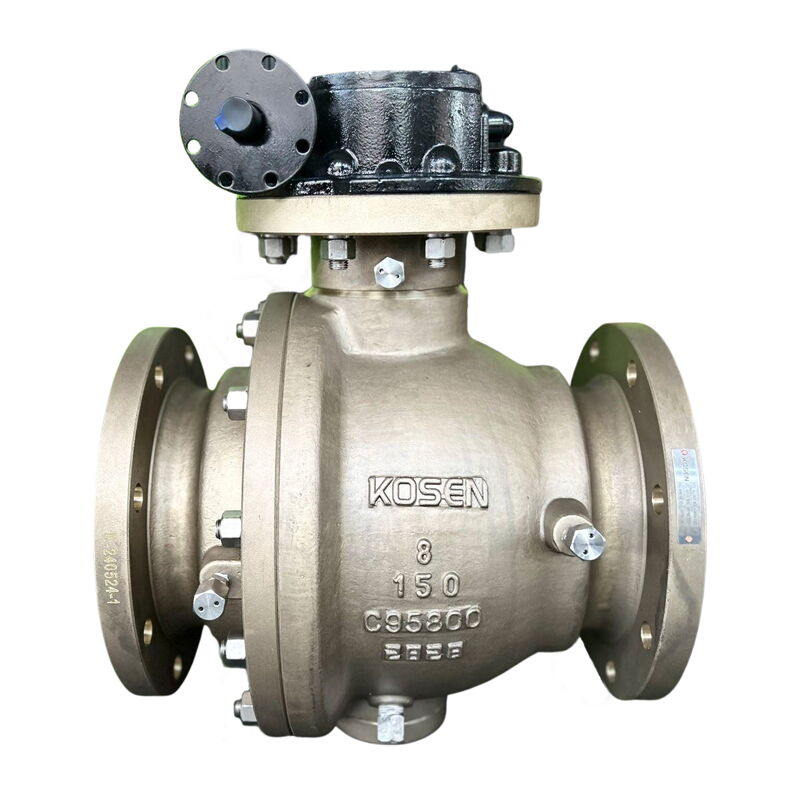
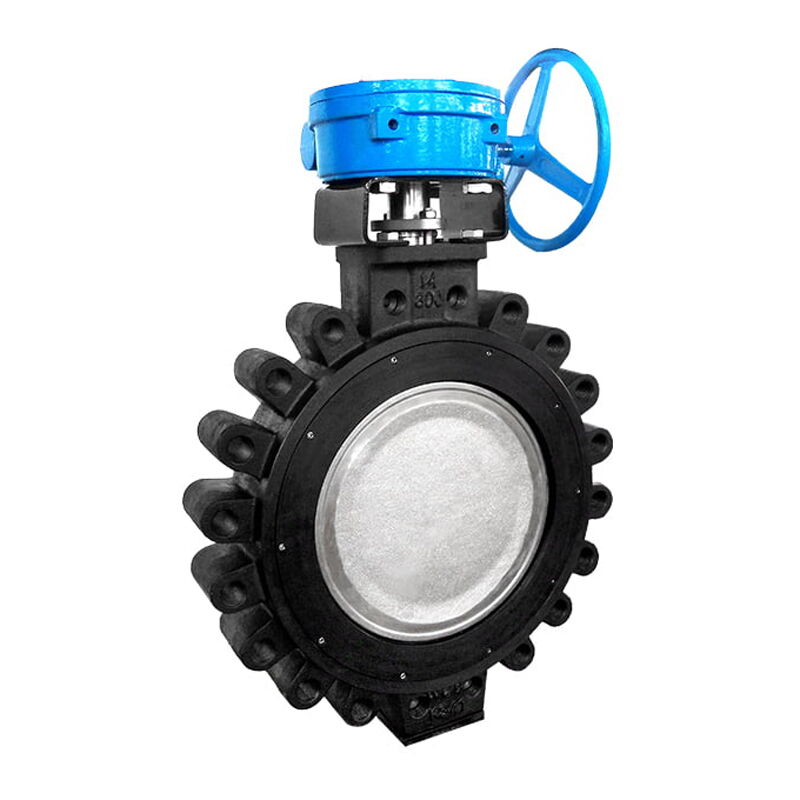
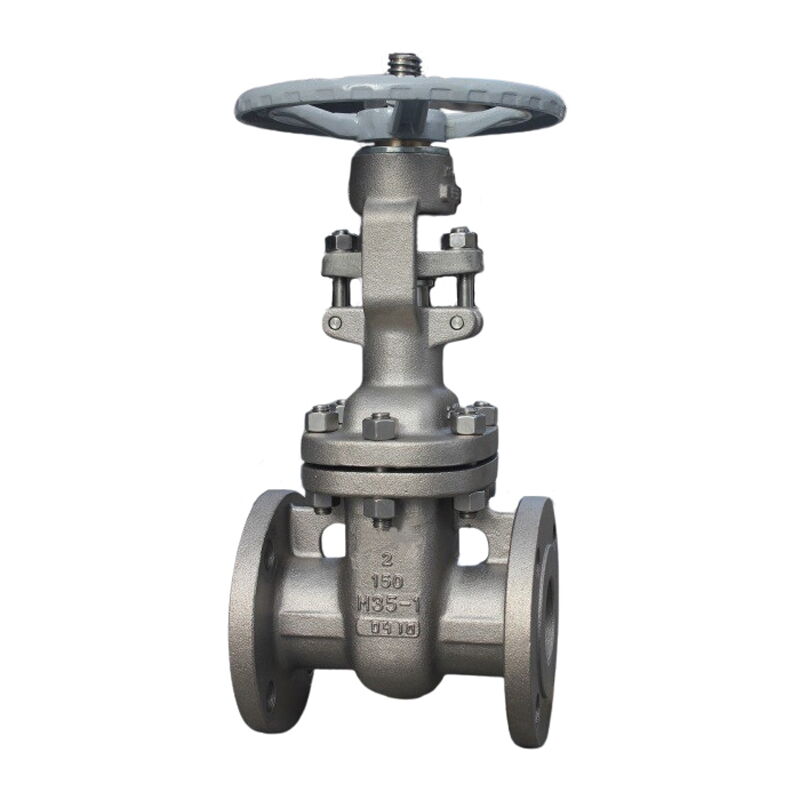
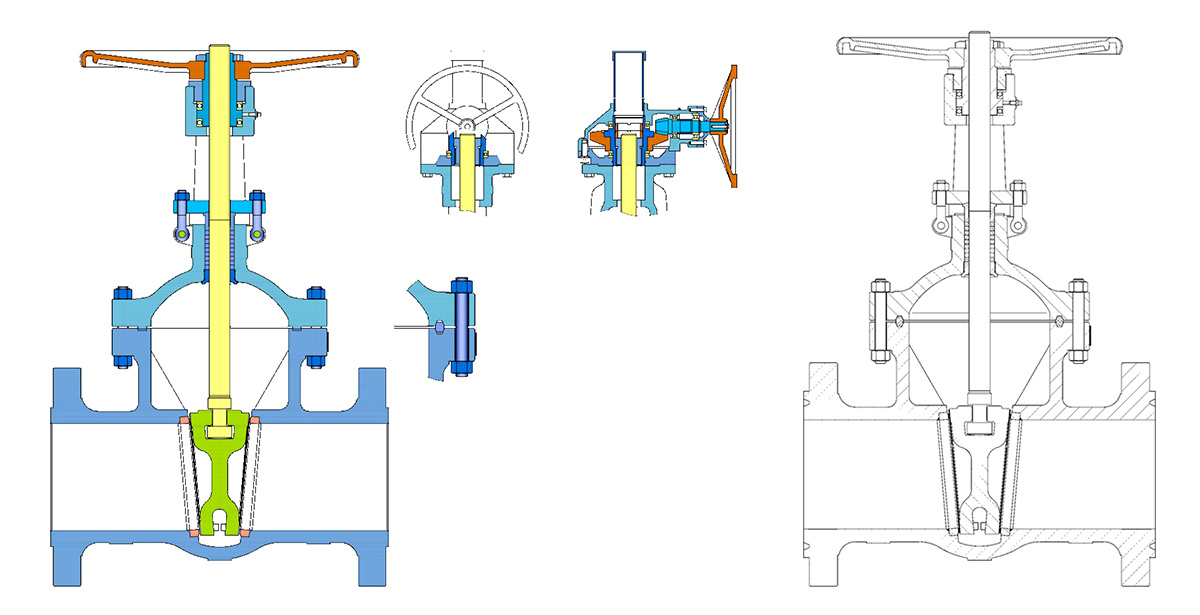
- KOSEN cast gate valves are offered as standard with a flexible wedge, renewable seat, rising stem, and non-rising handwheel.
- The valve operates by rotating the handwheel to drive the linear lifting and lowering of the gate, thereby achieving reliable opening and closing of the pipeline.
- Bolted bonnet, pressure seal bonnet, bellows seal bonnet, high/low temperature extended bonnet, and ISO 15848 fugitive emission-compliant designs are available depending on service requirements. Forged body construction can also be provided upon special request.
- Design of Body–Bonnet Connection: A bolted bonnet is typically applied for Class 150 to Class 900 pressure ratings. The body sealing is normally achieved using a gasket or RTJ (ring-type joint) gasket. A pressure seal bonnet is used for Class 1500 to Class 2500 applications, with a pressure-energized seal ring providing body sealing.
- Design of Packing: Graphite packing is used as standard. PTFE packing can be selected for corrosive media applications. API 622 fugitive emission-compliant packing is available upon request.
- Design of Disc: Cast steel gate valves are typically equipped with a flexible wedge design as standard. A solid wedge configuration is available upon request for specific service conditions.
- Design of Backseat: A renewable backseat is applied in all carbon steel and low-alloy steel valves. For stainless steel valves, the backseat is typically integral with the body.
- Design of Seat: Both renewable and non-renewable seat designs are available. For WCB body material, a seal-welded seat is standard. For other body materials, hardfaced (overlay) seats are commonly used.
- Design of Actuation: Handwheel and gear box operation are standard configurations for cast gate valves, depending on size and pressure class. Electric, pneumatic, or chain wheel actuators can be provided upon request.
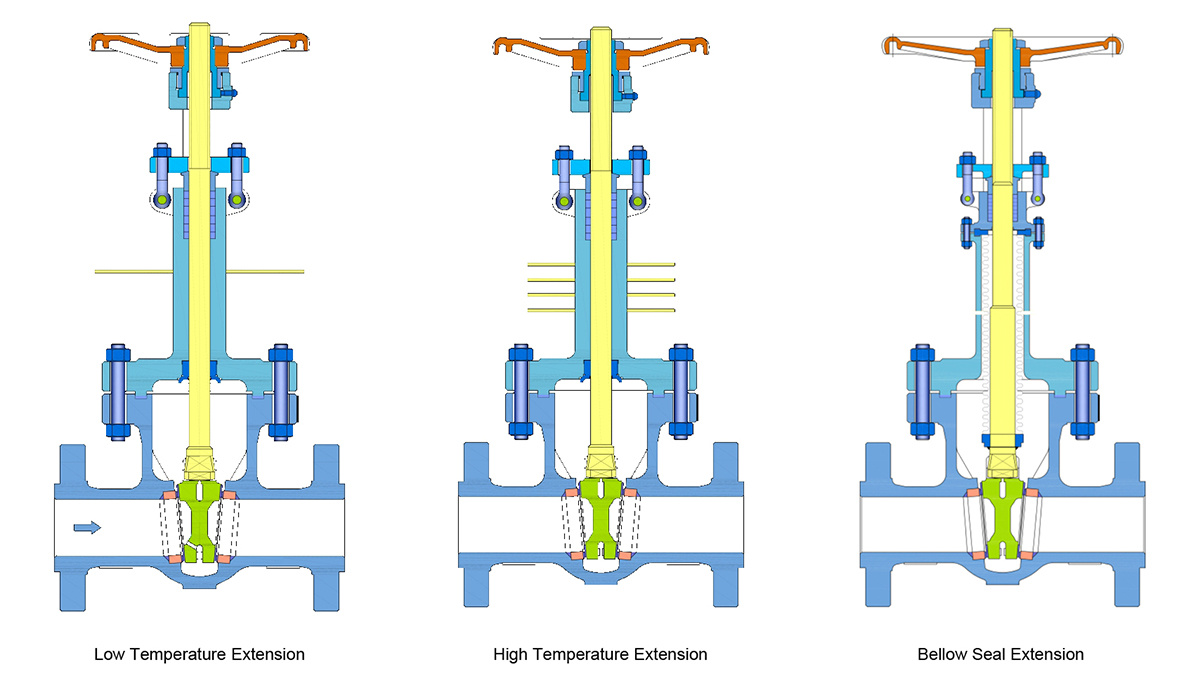
The bonnet is extended for low-temperature service. The packing position is raised to prevent freezing of the packing, which could otherwise affect sealing performance.
Gate valves are provided with a relief hole on the upstream side, as pressure may remain trapped in the valve cavity.
A low-temperature thermal isolation design can be provided as an option to reduce heat exchange and prevent cold transfer to the valve body and bonnet area.
The high-temperature extended bonnet structure is primarily designed to protect operators from burns during valve operation.
Cooling fins can be optionally installed to enhance heat dissipation and improve thermal radiation efficiency.
The bellows seal extension incorporates a bellows assembly inside the bonnet cavity. The effective compression length of the bellows must be greater than the valve opening stroke to ensure proper operation and service life.
The bellows seal structure effectively reduces stem leakage. The primary sealing element is the bellows itself, while the secondary sealing is provided by the packing as a backup seal.