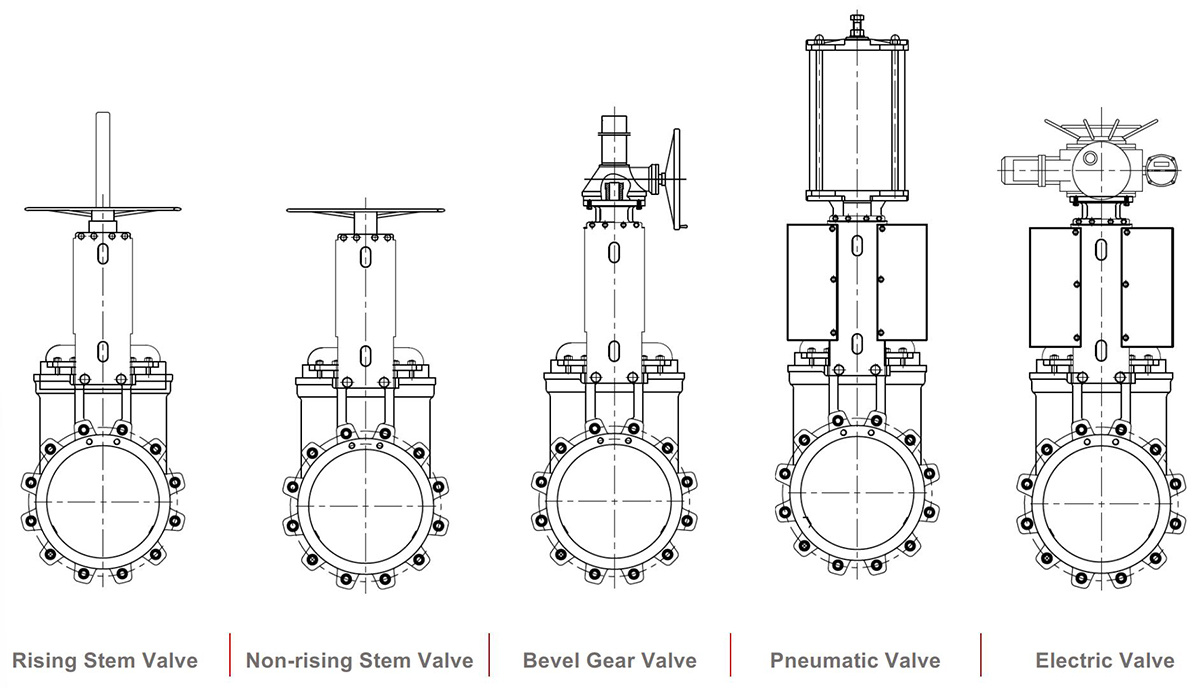
Unidirectional Knife Gate Valve
Unidirectional knife gate valve seals only on one side and is typically used in applications where flow is one-way. While it is cost-effective and easy to operate, it may experience leakage when debris accumulates due to the cutting action of the gate. It is commonly used for water, pulp, and slurry systems in industries like mining, chemicals, and sugar mills, as well as in high-temperature and corrosive environments.
Unidirectional Knife Gate Valve Product List

Pneumatic Actuated Knife Gate Valve, Carbon Steel, 36 IN, RF

Carbon Steel Knife Gate Valves, DN700, PN10, Pneumatic, RF

ASTM A351 CF8 Knife Gate Valves, DN500, PN10, Unidirectional

ASTM A351 CF8 Knife Gate Valves, 10 IN, 150 LB, Electric, RF
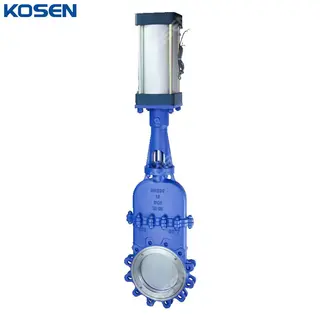
Bolted Bonnet Knife Gate Valves, ASTM A216 WCB, DN200, PN16
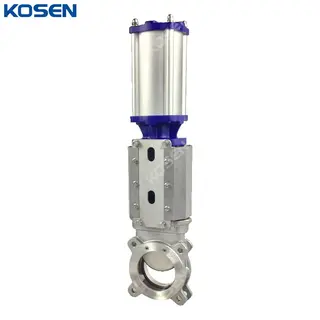
ASTM A351 CF8M Knife Gate Valve, 2 IN, CL150, Unidirectional
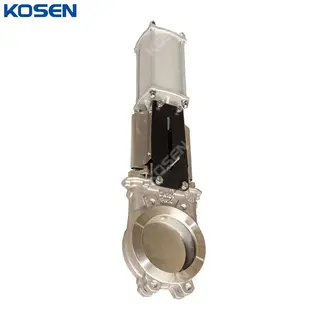
Stainless Steel Knife Gate Valves, A351 CF8M, DN50, 2 Inches
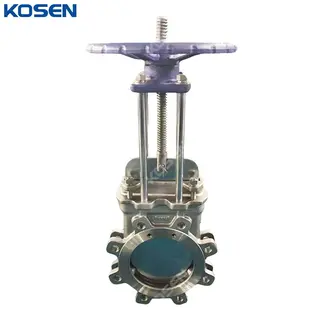
Rising Stem Knife Gate Valve, CF8M, PN10, Lug, Unidirectional
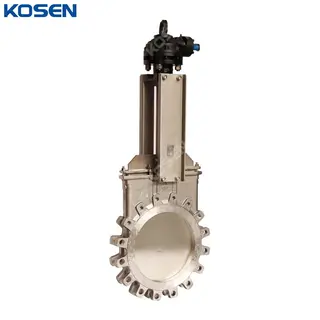
Stainless Steel Knife Gate Valve, A351 CF8M, 16 IN, NRS, Lug
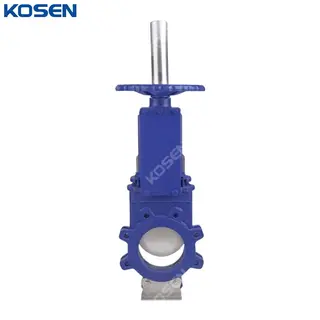
ASTM A216 WCB Knife Gate Valve, Carbon Steel, DN80, PN10, RS
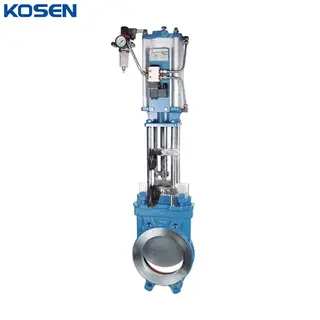
Carbon Steel Knife Gate Valve, WCB, DN150, PN10, Pneumatic
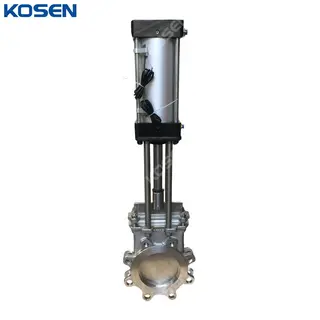
Stainless Steel Knife Gate Valves, A351 CF8, DN150, PN10, Lug
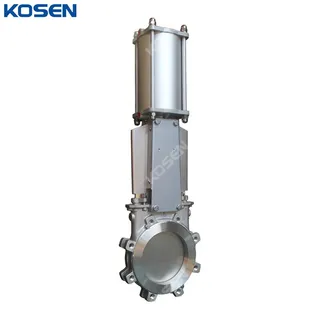
ASTM A351 CF8 Knife Gate Valves, 6 IN, CL150, Pneumatic, Lug
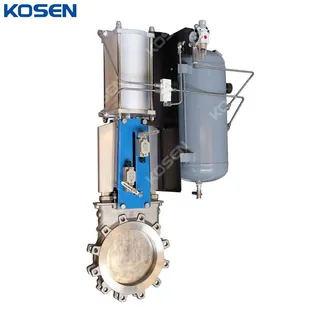
Pneumatic Knife Gate Valves, A351 CF8M, 10 Inch, 150 LB, Lug
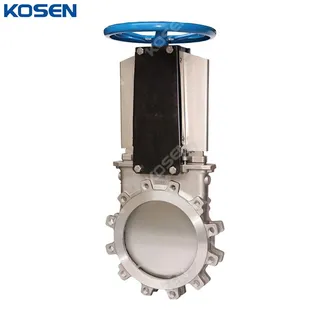
Non-rising Stem Knife Gate Valves, A351 CF8, DN250, PN10, Lug
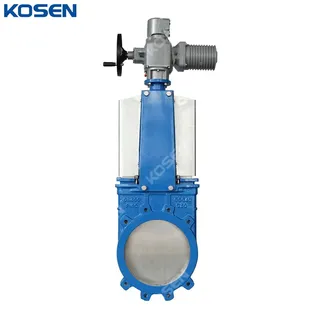
Electric Actuated Knife Gate Valves, GGG40, DN300, PN10, Lug
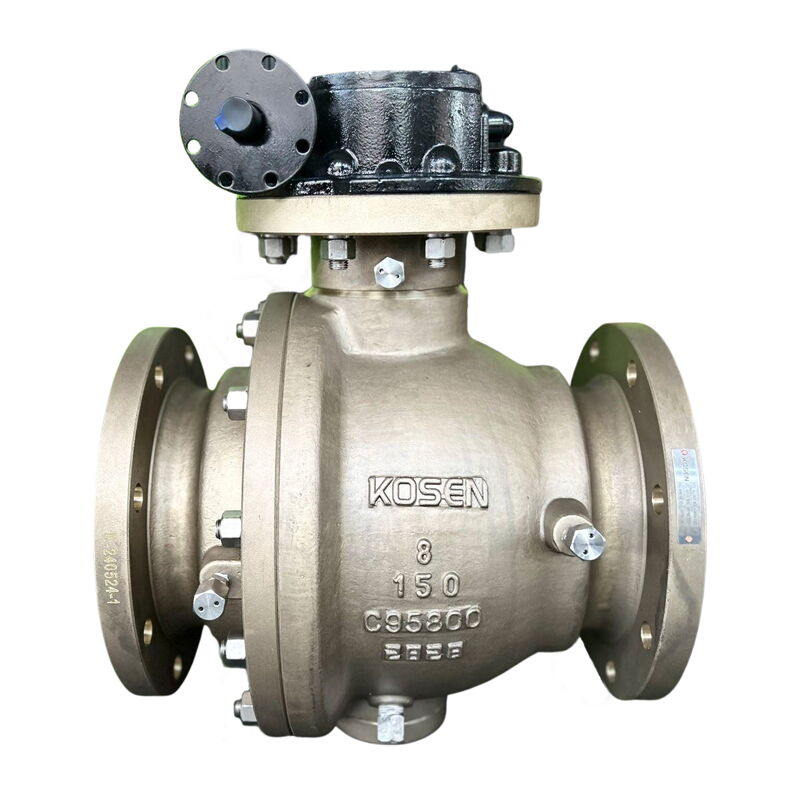
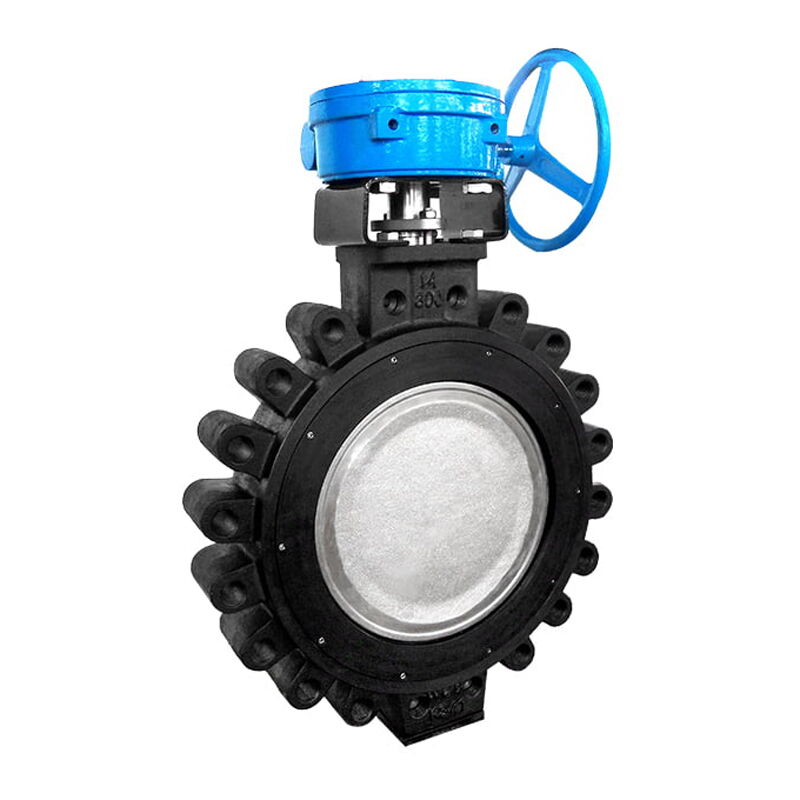
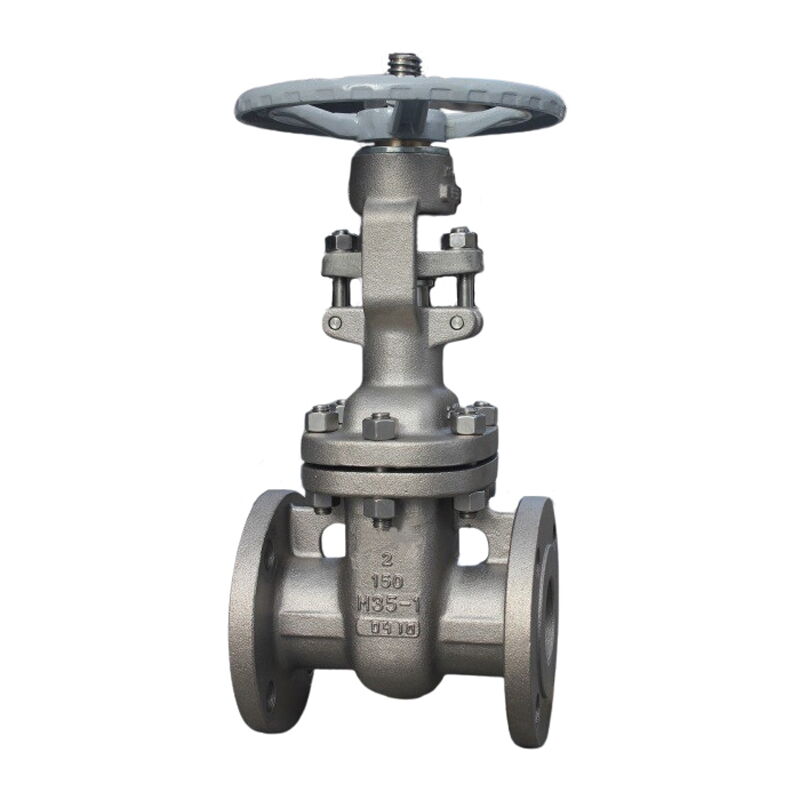
Unidirectional knife gate valves are designed so that the gate plate always faces the flow direction of the medium. This means the valve allows flow in only one direction. Therefore, correct installation is essential, and special attention must be paid to the flow direction. An arrow is typically marked on the valve body to clearly indicate the required flow direction. While this design limits installation flexibility, it simplifies the sealing structure and reduces overall valve complexity.
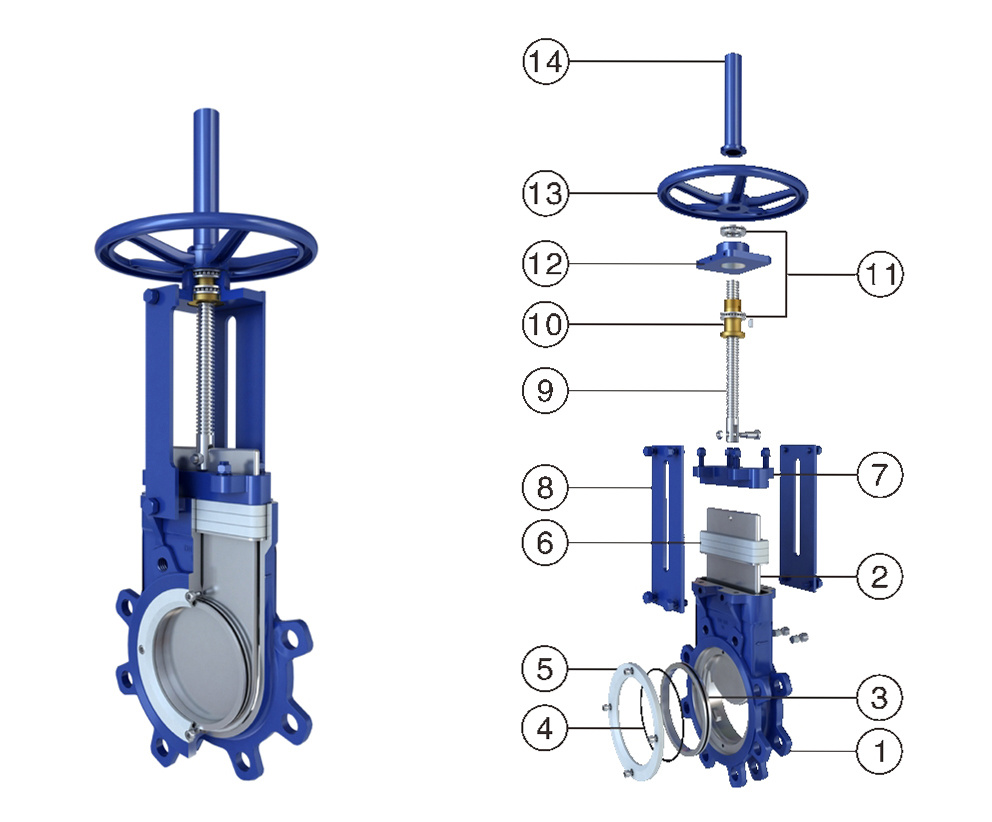
Unidirectional knife gate valves use a wedge block mechanism to press the gate plate against the sealing ring, thereby achieving effective shut-off. The sealing ring is typically made of materials such as rubber, PTFE, or metal. It is installed within a stepped groove in the valve body and secured by a metal retaining ring. During valve opening and closing, the sealing ring maintains close contact with the gate to ensure sealing integrity and prevent leakage.
The sealing performance of unidirectional knife gate valves depends on the tight contact between the gate plate and the sealing ring. When the valve is closed, the gate compresses the sealing ring into the groove, forming a reliable seal. This design is simple, cost-effective, and suitable for most conventional fluid applications.
However, due to the cutting action of the gate, these valves may experience sealing degradation or leakage when solid particles or deposits are present in the medium.
Unidirectional knife gate valves are suitable for controlling fluids such as water, pulp, chemical liquids, and viscous slurries, including mining slurries, fly ash, and process fluids in sugar mills.
Thanks to their simple structure, practicality, and low cost, they are widely used in manual and automated systems. They are particularly suitable for applications requiring periodic cleaning and maintenance, and they perform well in certain high-temperature and corrosive environments, such as chemical plants and paper mills.
- Advantages: Unidirectional knife gate valves are easy to install, cost-effective, and suitable for a wide range of conventional fluid applications. They offer simple operation, whether manual or actuated, and are relatively easy to maintain.
- Disadvantages: These valves provide sealing in only one direction, so correct installation with proper flow orientation is critical. They are also sensitive to solid particles or deposits in the medium, which may lead to leakage or reduced sealing performance over time.
Different End Connections Available: