Diaphragm Valve Leakage: Causes, Detection & Prevention
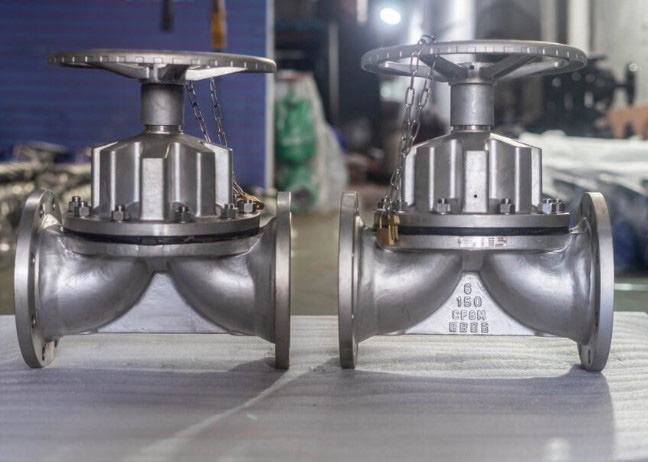
Diaphragm valves are widely used fluid control devices in industrial applications, spanning sectors such as pharmaceuticals, food processing, chemical manufacturing, and dust collection systems. At the heart of these valves lies the diaphragm, a component responsible for both sealing and regulating fluid flow. Despite their robust design, diaphragm valves are not immune to leakage issues during operation. Leakage not only affects production efficiency but can also create safety hazards and increase operational costs. This guide provides a comprehensive analysis of diaphragm valve leakage, covering its causes, detection methods, and preventive maintenance measures, helping operators extend equipment life and reduce costs.
Understanding the reasons behind diaphragm valve leakage begins with a clear grasp of the valve's operating principle and sealing mechanism.
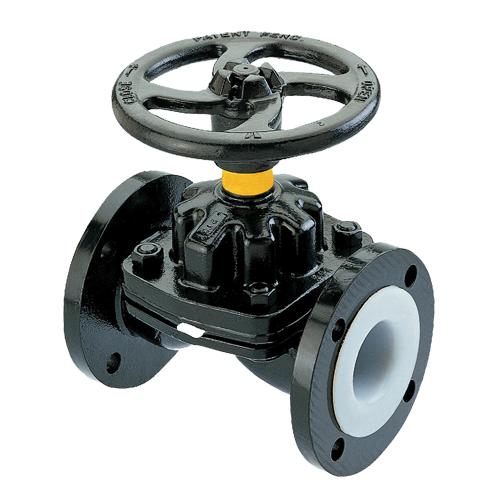
The reliability of a diaphragm valve largely depends on its unique diaphragm design. The diaphragm acts as the primary barrier between the internal flow path of the valve and the external environment. It is typically made from flexible, resilient materials that can withstand repeated deformation and maintain a tight seal under pressure.
When the valve is closed, the diaphragm expands and tightly conforms to the valve seat, creating a secure sealing interface that prevents any fluid from passing through. To open the valve, the actuator or valve stem lifts the diaphragm off the seat, allowing flow. This mechanism allows diaphragm valves to achieve leak-free operation throughout the valve stroke, even under fluctuating pressure or variable flow conditions, maintaining consistent sealing performance.
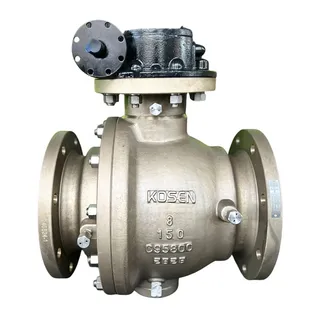
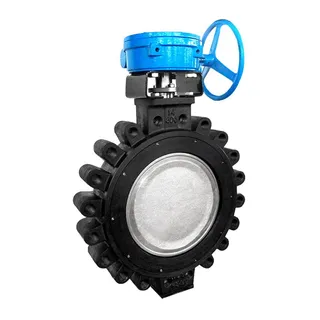
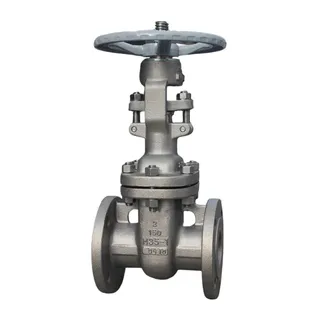
Unlike traditional valves, such as ball valves or gate valves, diaphragm valves have no moving parts directly exposed to the medium. In ball or gate valves, moving components contact the fluid, which can lead to wear, corrosion, and eventual leakage.
In diaphragm valves, the diaphragm is the sole component in direct contact with the fluid. This design offers several significant advantages:
Reduced wear on other components – Non-wetted parts are protected from abrasion.
Minimized corrosion and material degradation – Only the diaphragm encounters the medium.
Long-lasting sealing performance – The valve maintains a reliable seal over extended operational periods.
These characteristics make diaphragm valves particularly suitable for applications with stringent sealing requirements, such as sterile or corrosive processes.
Diaphragm valves can dynamically adapt to pressure changes in the system. The diaphragm material can flex under varying pressure conditions, expanding or contracting to maintain a stable seal.
For instance, if the system pressure suddenly spikes, the diaphragm absorbs the change through elastic deformation, preventing localized stress concentrations that could damage the sealing surface. This adaptive capability significantly reduces leakage risk and enhances system stability, making diaphragm valves ideal for applications with fluctuating pressures.
Diaphragm valve leakage typically results from a combination of mechanical, chemical, and operational factors. Understanding these causes is essential for implementing effective preventive measures.
Material degradation is one of the most frequent causes of leakage. Diaphragms are usually made of elastomers or reinforced synthetic materials, which can deteriorate over time due to:
- Mechanical fatigue: Frequent valve operation causes repeated bending and flexing, leading to cracks or hardening. Even minor fissures compromise the seal and reduce system efficiency.
- Chemical attack: Prolonged exposure to acids, alkalis, or organic solvents can soften, swell, or embrittle the diaphragm. Material compatibility with the medium is critical to prevent accelerated aging.
- Thermal degradation: High-temperature environments accelerate elastomer aging, reducing elasticity and increasing brittleness.
- Abrasive wear: Solid particles in the medium can erode the diaphragm edges, damaging the sealing surface.
The valve seat provides the surface against which the diaphragm seals. Its condition directly affects sealing performance. Long-term operation can subject the seat to:
- High-speed fluid erosion
- Impact from abrasive particles
- Corrosion from aggressive chemicals
These factors can produce scratches, pits, or corrosion craters on the seat surface, preventing the diaphragm from sealing properly and creating potential leakage paths.
Human error during installation or assembly is another common source of leakage. Typical issues include:
- Uneven diaphragm installation, causing twisting or wrinkling
- Unequal torque on fasteners, creating uneven diaphragm stress
- Misalignment of the valve body, leading to uneven diaphragm-to-seat contact
Even minor misalignments may initially cause small leaks, which can grow over time and compromise system performance.
Dust, debris, or reaction by-products trapped between the diaphragm and the seat can obstruct full contact, reducing sealing effectiveness. This issue is especially common in dusty environments or highly corrosive applications. Impurities not only cause leaks but can accelerate wear on both the diaphragm and the seat.
Exceeding the valve's design specifications for pressure or temperature can overstress the diaphragm:
- Excessive pressure: May permanently deform, blister, or rupture the diaphragm.
- High temperature: Accelerates material degradation and reduces elasticity.
- Low temperature: Causes the diaphragm material to become brittle, increasing the risk of cracking.
Operating outside these limits accelerates wear, reduces lifespan, and often results in leakage.
Early detection of leakage is crucial for preventing escalation. Common methods include:
This fundamental method involves disassembling the valve cover and examining the diaphragm for:
- Cracks or tears
- Deformation or bulging
- Surface wear or thinning
- Hardening or discoloration
Simultaneously, the valve seat should be inspected for wear, corrosion, or debris accumulation. Visual inspection is straightforward and effective for identifying obvious physical damage.
In a closed valve state, check for any medium passing through. Flow indicates compromised sealing. This is particularly applicable to liquid systems, where downstream leakage can be directly observed.
Monitor the pressure differential across the valve. A drop in upstream pressure or an increase downstream suggests the presence of micro-cracks or aging. Pressure testing is especially effective for detecting minor leaks.
For gas systems, applying a soap solution to suspected leak areas can reveal micro-leaks through bubble formation. This method is simple, low-cost, and effective for detecting small leaks.
Key operational parameters can indirectly indicate leakage:
- Pulse-jet pressure: Drops may signal leakage
- Flow rate: Unexpected increases could indicate leaks
- System differential pressure: An increase is often an early warning of leakage
Consistent monitoring allows early detection before leaks escalate into significant problems.
Regularly evaluate whether the diaphragm material suits the operating temperature, chemical exposure, and dust conditions. Incompatible materials are a frequent cause of leakage. Timely assessment enables corrective action before failure occurs.
Leakage impacts more than just the valve; it can cause cascading issues in the industrial system. This is particularly notable in dust collection and pulse-jet cleaning systems.
- Reduced Cleaning Efficiency: Leakage in pulse-jet dust collectors reduces pulse pressure, leading to incomplete filter cleaning. This increases system differential pressure, reduces airflow and filtration efficiency, and raises fan or compressor load. In high-load conditions, energy consumption can rise by 10–15%.
- Accelerated Filter Wear: Persistent leakage causes higher wear on filter media, increasing replacement frequency and downtime. This drives maintenance costs higher and can disrupt production continuity.
- Safety Hazards: In chemical or pharmaceutical environments, leaks can present serious safety hazards. Escaping toxic or corrosive gases threaten personnel health and pose environmental risks.
- Premature Equipment Failure: From a mechanical perspective, continuous leakage increases stress on the diaphragm and valve body, potentially causing early failure and high-cost emergency repairs.
Once leakage or diaphragm aging is detected, timely replacement is essential. Improper selection or installation can introduce new risks.
Replacing a diaphragm involves multiple steps for safe and effective operation:
- Safety preparation: Shut down the valve, release system pressure, and ensure operator safety.
- Remove the old diaphragm: Carefully disassemble the valve cover, remove the diaphragm, and note any damage patterns to aid failure analysis.
- Inspect and clean: Examine the valve body and seat for scratches or debris. Repair or replace damaged components to ensure a smooth sealing surface.
- Install the new diaphragm: Correctly position the new diaphragm according to material and model specifications, ensuring no twisting or wrinkles.
- Test and verify: Reassemble the valve, gradually pressurize, and confirm sealing performance before resuming operation.
Proper material selection is fundamental for preventing leakage. Common diaphragm materials include:
PTFE Excellent chemical resistance, low friction, wide temperature range Corrosive media like acids and alkalis
EPDM Good elasticity, ozone and acid resistance, high-temperature tolerance Water, steam, food industry
Buna-N Excellent oil resistance, high wear resistance Oil and petroleum systems
Fluoroelastomer (FKM) Superior chemical resistance, high-temperature tolerance Chemical and pharmaceutical processes
Stainless Steel Reinforced High strength, high-pressure and high-temperature resistance High-pressure or high-temperature steam systems
Material choice should consider medium type, operating pressure, temperature, and chemical compatibility. Consulting experts is recommended for specialized applications.
Beyond replacement, preventive measures are crucial:
- Regular inspection: Scheduled visual, flow, and pressure checks to detect early signs of wear or leakage.
- Clean operation environment: Prevent dust, debris, or chemical deposits from accumulating.
- Proper installation: Ensure correct diaphragm alignment, fastener torque, and valve body alignment.
- Material suitability: Match diaphragm material to operating conditions and medium properties.
- Operational limits adherence: Avoid exceeding design pressure and temperature ranges to prevent overstressing components.
Diaphragm valve leakage is a multifaceted issue involving material science, mechanical engineering, and operational management. Understanding the working principle, recognizing common causes of leakage, applying effective detection techniques, and implementing structured maintenance can significantly reduce leakage risk and extend valve life.
Prevention is more effective than post-failure repair. Regular inspection, careful material selection, correct installation, and timely maintenance form the four pillars of long-term, stable diaphragm valve operation. Investing in preventive care is far more cost-effective than managing emergency failures and production downtime.
Whether managing dust collection systems, chemical lines, or pharmaceutical equipment, applying the insights and strategies outlined in this guide will help ensure diaphragm valves operate safely, efficiently, and reliably.