Guide to Inverted Pressure-Balanced Lubricated Plug Valve
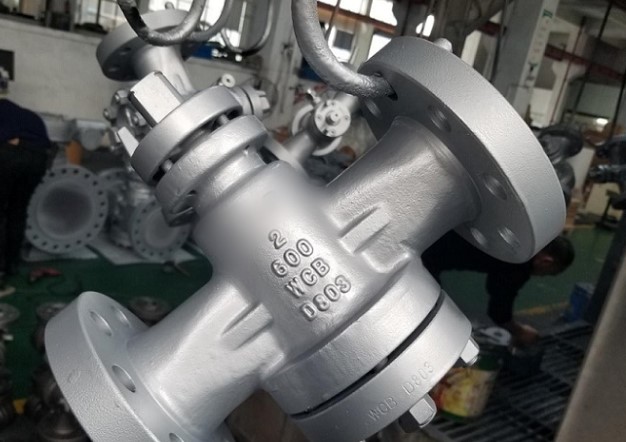
In industrial sectors such as oil and gas, petrochemicals, and power generation, the safe operation of pipeline systems depends heavily on high-performance valves. The inverted pressure-balanced lubricated plug valve is a critical device designed specifically for high-temperature and high-pressure environments. With its unique structural design and excellent performance characteristics, it has become a preferred valve type in many industrial applications. This article provides a comprehensive overview of its working principle, structural features, technical advantages, and application scenarios to help readers gain a deeper understanding of this lubricated plug valve.
The inverted pressure-balanced lubricated plug valve is a valve specifically engineered for severe service conditions. Its most distinctive feature is the inverted structural design, where the sealing surface is located at the bottom of the plug. Compared with conventional plug valves, this design more effectively distributes pressure acting on the sealing surface, significantly reduces wear, and enhances operational stability under high differential pressure environments.
The valve body is typically manufactured from high-strength materials such as carbon steel, stainless steel, or alloy steel. These materials provide excellent mechanical strength and corrosion resistance, ensuring structural integrity and functional reliability during long-term operation. Whether subjected to high-pressure impact or corrosive media, this valve demonstrates outstanding adaptability.
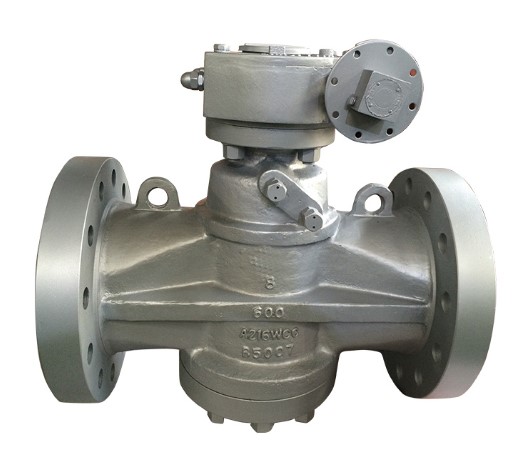
To understand why the inverted pressure-balanced lubricated plug valve performs well under severe working conditions, it is necessary to examine its internal structure and operating mechanism. Rather than being a simple on-off device, this valve is a precision engineering product integrating mechanical design, fluid dynamics, and material science. The following sections explain its core structure and technical logic from four key aspects.
The most prominent feature of the inverted pressure-balanced lubricated plug valve is the inverted installation of the conical plug. In this design, the sealing face is positioned at the bottom, with the larger end of the plug facing downward and the smaller end upward.
This configuration provides multiple technical advantages. First, the inverted structure enables the sealing surface to better withstand and distribute medium pressure. Under high-pressure conditions, fluid pressure acting on the plug surface is more evenly distributed, preventing localized stress concentration that could lead to sealing failure.
Second, this design establishes the structural foundation for the pressure balancing mechanism. A check valve structure is typically installed at the upper portion of the plug cone, which is essential for achieving pressure balancing. When the valve is in the closed state, high-pressure sealing oil is injected, generating an upward lifting force on the plug. This action forces the sealing surfaces into tighter contact, thereby improving sealing performance.
The pressure balancing mechanism is the core technology of this valve and the primary feature that distinguishes it from ordinary plug valves. The working principle can be understood in both the closed and opening states.
When the valve is closed, the outer surfaces of the large-end and small-end regions of the plug form the large-end cavity and the small-end cavity within the valve body. Since a balance hole is installed inside the plug wall (without directly connecting to the main process medium), the pressure in both cavities can remain approximately equal.
However, because the cross-sectional area of the large end is greater, it experiences a stronger pressure force, while the smaller end is subjected to weaker force. This area difference generates an upward resultant force that presses the plug against the valve seat, thereby improving sealing reliability.
When the valve begins to open, the pressure in the large-end region can be released rapidly. However, due to the one-way valve installed in the balance hole, the high pressure in the small-end cavity cannot be discharged quickly. At this time, the high-pressure sealing oil in the small-end cavity generates a downward force on the plug, creating a small clearance between the plug cone and the valve body sealing surface. The existence of this clearance significantly reduces the torque required to rotate the plug, making operation easier while protecting the sealing pair from excessive wear.
In high-temperature environments, thermal expansion of the plug can be absorbed through its slight vertical movement, effectively preventing the sealing pair from being wedged due to thermal deformation. This feature is particularly important in high-temperature applications, ensuring smooth valve operation despite temperature variations.
The lubrication system is another important feature of the inverted pressure-balanced lubricated plug valve. The plug surface is typically equipped with four oil grooves extending from the small end to the large end and arranged on both upstream and downstream sides.
These oil grooves allow lubricant to be evenly distributed across the sealing surface, forming a stable oil film. When the valve is closed, the sealing grease in the grooves forms an oil-film sealing structure with the valve seat surface. This not only reduces friction during operation but also further enhances overall sealing performance.
The lubrication system can support either manual or automatic operation, allowing users to select the appropriate lubrication method according to actual working conditions, offering strong operational flexibility.
It should be noted that although lubrication reduces opening and closing torque, sealing grease may contaminate the process medium. Therefore, the type of sealing lubricant should be carefully selected based on medium characteristics and process requirements to avoid adverse effects on product quality.
The sealing pair of the inverted pressure-balanced lubricated plug valve adopts a composite structure combining metal conical sealing and grease sealing.
The surfaces of the plug and stem are treated with special processes and coated with wear-resistant materials such as polytetrafluoroethylene (PTFE). This treatment ensures excellent sealing performance, wear resistance, and self-lubricating properties, reducing operating resistance and allowing the valve to withstand throttling and erosion conditions, thereby extending service life.
The plug and valve seat are manufactured with identical taper angles and precisely ground to ensure high sealing fit accuracy. The plug moves inside the valve body through a compound motion that includes both rotational and axial movement perpendicular to the pipeline direction, resembling the floating ball structure used in some ball valves. This motion allows the plug to automatically adjust its position according to medium pressure, optimizing sealing performance.
An adjustment screw is usually installed at the bottom of the large end of the plug. Tightening this screw can raise the plug to achieve blocking function and facilitate sealing adjustment and maintenance.
The excellent performance of this valve in severe operating conditions is mainly attributed to its carefully engineered structural design and operating mechanism.
The pressure-balancing design significantly reduces the torque required for valve operation. By balancing pressure on both sides of the plug, operators do not need to overcome large differential pressure forces during opening or closing, making operation easier and less labor-intensive. This feature is particularly valuable in high-pressure environments as it reduces component wear and operator workload.
The combination of inverted plug design and lubrication system enables reliable sealing even under high-pressure conditions. The pressure-balancing mechanism ensures that the plug is tightly pressed against the valve seat in the closed state, forming a dual sealing protection of metal sealing and oil-film sealing. As a result, the valve can maintain extremely low leakage rates even under high differential pressure conditions.
The robust structural design and pressure-balancing mechanism effectively reduce component wear. High-quality valve body materials and specially treated plug surfaces enable the valve to withstand harsh environments and long-term continuous operation. By minimizing wear, the overall service life of the valve is significantly extended, reducing replacement frequency and maintenance costs.
In high-temperature applications, thermal expansion of the plug can be absorbed through slight vertical movement, preventing the sealing pair from being damaged or wedged due to thermal deformation. This feature allows the valve to operate reliably in high-temperature media such as steam and hot oil.
Due to reduced wear and robust structural design, maintenance frequency is significantly lower than that of conventional valves. This not only lowers maintenance costs but also minimizes system downtime caused by inspection and repair, thereby improving overall production efficiency and system availability.
The inverted pressure-balanced lubricated plug valve is widely used across multiple industrial sectors due to its excellent performance.
In oil and gas extraction, transportation, and processing systems, this valve is used in pipelines, wellhead devices, and refining processes. High-pressure pipeline systems demand extremely high sealing reliability, and pressure-balanced plug valves provide stable performance, preventing leakage caused by pressure imbalance and ensuring safe hydrocarbon transportation.
In petrochemical plants and chemical processing systems, corrosive media or pressure fluctuation conditions are often encountered. The valve can adapt to severe operating environments and maintain reliable sealing under extreme pressure conditions.
In thermal power plants, the valve is commonly used in high-temperature and high-pressure steam and water circulation systems. Its excellent thermal adaptability and sealing reliability make it an essential component in power system operations.
The valve is also widely used in high-pressure water systems and wastewater treatment facilities. Its corrosion resistance and reliable sealing capability enable it to handle complex working conditions in water treatment processes.
The valve is also suitable for applications involving isolation of hazardous or corrosive fluids, abrasive media handling, and extreme temperature environments, providing reliable control performance for critical systems.
When selecting and using an inverted pressure-balanced lubricated plug valve, several factors should be considered.
First, the pressure rating, temperature range, and medium characteristics should be determined based on actual working conditions. Valve body and sealing materials should be selected accordingly. For corrosive media, stainless steel or alloy steel materials with superior corrosion resistance should be used.
Second, the selection of the lubrication system is critical. Compatible sealing grease should be chosen according to medium properties to avoid contamination. In industries such as food and pharmaceutical processing, special attention should be paid to lubricant selection due to strict hygiene requirements.
Third, the lubrication system and sealing performance should be inspected regularly. Lubricant should be replenished or replaced in time to ensure the valve remains in good operating condition.
Finally, installation and maintenance should strictly follow the manufacturer’s technical specifications. Adjustment screws should be handled by qualified technicians to ensure optimal sealing and operational performance.
The inverted pressure-balanced lubricated plug valve solves common problems of conventional plug valves under high-pressure conditions, such as high operating torque, severe wear, and unreliable sealing, through its unique inverted structural design, advanced pressure-balancing mechanism, and efficient lubrication system.
With the continuous advancement of industrial technology and increasing safety requirements in production, the application of this valve in oil and gas, petrochemical, power, and chemical industries will continue to expand. For engineering professionals in related fields, understanding its working principle and technical characteristics is essential for proper selection and safe operation of pipeline systems.