Valve Packing Leakage Causes and Effective Countermeasures
Valves are widely used fluid control devices in industrial and agricultural production as well as in everyday life. As core components of pipeline systems, valves primarily function to start or stop the flow of media within pipelines. At the same time, they can change the direction of flow, regulate pressure and flow rate, and ensure the safe and stable operation of piping systems.
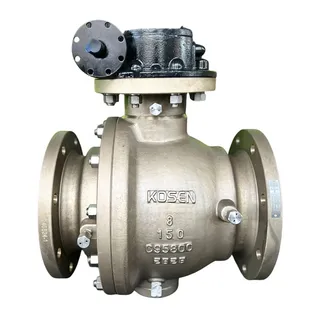
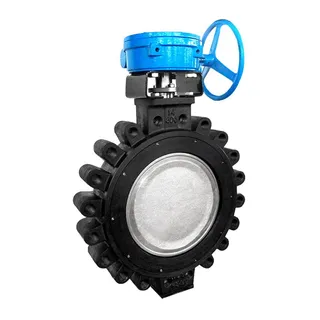
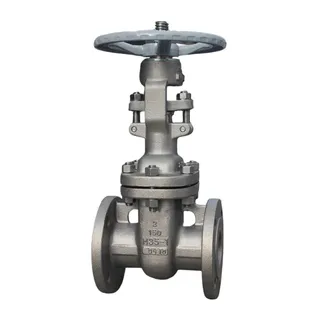
Among the many types of valves, such as gate valves, globe valves, ball valves, and butterfly valves, those operated by a stem commonly employ packing seals. This sealing method features a simple structure, a wide variety of packing materials, and relatively low cost, making it one of the most frequently used technologies for preventing media leakage along the valve stem. According to industry statistics, more than 90% of valves currently used in production environments rely on packing seals. However, the packing sealing point is also one of the most leakage-prone areas. Only through proper selection, installation, and maintenance of packing can the normal operation of valves be ensured.
Packing sealing is a form of sealing that prevents media from escaping by filling potential leakage paths with deformable material. The working principle is based on the radial deformation generated when the packing is compressed axially. This deformation creates tight contact with the surface of the valve stem, effectively blocking leakage channels.
In a typical structure, multiple rings of packing are installed inside the stuffing box. A gland applies preload force to compress the packing, forming a reliable seal between the packing and the valve stem surface.
Because the valve stem frequently rotates and moves up and down during operation, relative motion exists between the stem and the packing. This dynamic characteristic makes packing seals suitable for low-speed but frequent motion applications. A balance must be maintained between the compressive deformation of the packing and the operating torque of the valve stem.
When lubricating oil is introduced into the packing, a lubrication layer forms between the contact surfaces. Some non-contact areas develop thicker oil films, which help prevent fluid flow and reduce leakage. Proper lubrication also minimizes friction, reduces wear, and extends the service life of both the packing and the valve stem.
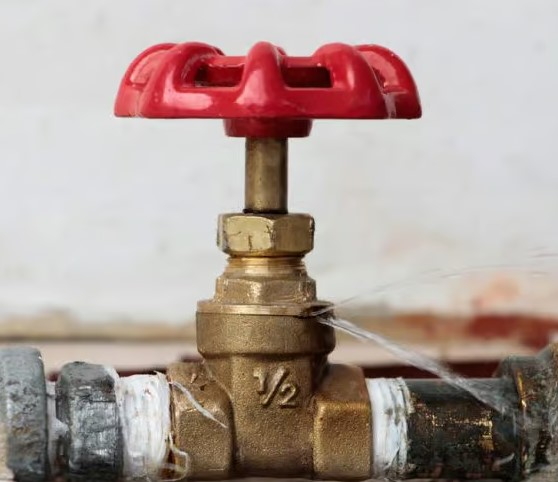
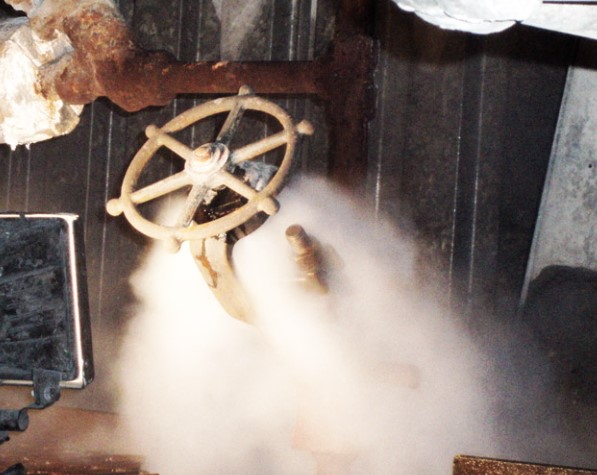
Packing leakage is a common issue in practical valve applications. Leakage generally occurs in two forms: interface leakage and permeation leakage.
Interface leakage refers to pressurized media escaping through the contact gap between the packing and the valve stem.
Permeation leakage occurs mainly in braided packing, where the pressurized medium travels outward through microscopic gaps between packing fibers.
The causes of packing leakage can be analyzed from several perspectives.
One of the most common causes is the selection of packing that does not meet operational requirements, whether due to incorrect material choice or poor quality.
Different working conditions require different packing materials:
For air, steam, water, and heavy oil at moderate temperatures, oil-impregnated asbestos packing is generally suitable.
For water, steam, and petroleum media, rubber-asbestos packing can be used.
Under high-temperature and high-pressure conditions, graphite-asbestos packing is recommended, while copper wire–reinforced graphite packing offers stronger pressure resistance.
In environments with high and fluctuating temperatures, asbestos packing with lead strips may be appropriate.
For highly corrosive media, PTFE-impregnated asbestos packing or braided PTFE packing should be selected.
Improper material selection may result in packing that cannot withstand corrosion, high pressure, vacuum conditions, extreme temperatures, or thermal cycling. Additionally, packing that exceeds its service life tends to age, lose elasticity, and become less dense, ultimately leading to leakage.
Incorrect installation is another major contributor to packing failure. Common installation defects include substituting smaller packing for larger sizes, poorly handled spiral joints, uneven tightening (tight at the top and loose at the bottom), and insufficient compression.
The correct installation method involves placing packing rings one at a time and compressing each ring firmly. Joints should be cut at a 30° or 45° angle and staggered to prevent leakage paths from aligning. An insufficient number of packing rings or a gland that is not properly tightened will inevitably compromise sealing performance.
Care must also be taken to avoid twisting, scratching, or excessively rubbing the packing against the valve stem during installation.
As a pressure-bearing pipeline component, the valve stem must endure not only media pressure but also additional loads caused by unpredictable factors such as uneven ground settlement, seismic activity, and thermal expansion or contraction.
Defects such as low machining accuracy, bending, corrosion, or wear can significantly impair sealing performance. Uneven surface roughness leads to inconsistent contact between the packing and the stem. Areas of contact may enter a boundary lubrication state, while non-contact grooves form thicker oil pockets. This imbalance can create leakage channels.
Therefore, maintaining a smooth, properly finished stem surface is critical for achieving effective sealing.
A loose packing gland is a direct cause of leakage. Misalignment of the gland or improper clearance between the gland and the valve stem can accelerate stem wear and damage the packing.
If the gland, bolts, or other components become damaged, the gland may no longer provide sufficient compression. Rusted bolts and nuts can also reduce tightening effectiveness, further compromising the seal.
Regular inspection of fastening components is essential to ensure consistent sealing pressure.
Excessive force or non-standard operating practices can accelerate packing wear. Except for impact-type handwheels, valves should be operated with steady, moderate force.
Improper operation may cause the packing to deform under excessive compression or even blow out partially. In severe cases, the valve stem may develop grooves due to erosion, greatly increasing the likelihood of leakage.
Operator training and adherence to standardized procedures are therefore critical for preventing premature sealing failure.
Addressing packing leakage requires a systematic approach that combines proper material selection, standardized installation, regular maintenance, and advanced sealing technologies.
Packing material and type must be chosen according to specific operating conditions. For example:
Oil-graphite packing is suitable for moderate-temperature air, steam, water, and heavy oil.
Rubber-asbestos packing works well with water, steam, and petroleum.
Graphite-asbestos packing is ideal for high-temperature and high-pressure applications.
PTFE packing should be used for strongly corrosive media.
When selecting packing, it is essential to consider factors such as corrosion resistance, temperature and pressure ranges, and valve operating frequency.
Packing must be installed strictly according to technical specifications. Rings should be placed individually and compressed evenly. Joints must be staggered, with a joint angle of 30° or 45°.
The number of packing rings should meet design requirements, and the gland should be tightened symmetrically and uniformly. A preload clearance of at least 5 mm should be reserved in the compression sleeve.
Proper installation helps prevent distortion, mechanical damage, and excessive friction between the packing and the valve stem.
Packing that has been used for too long, aged, or damaged should be replaced promptly. Regular inspections should focus on signs such as hardening, cracking, or loss of elasticity.
Damaged glands, bolts, and related components must be repaired or replaced without delay. For valves that have been idle for extended periods, packing condition should be checked before reactivation.
Preventive maintenance significantly reduces the risk of unexpected leakage.
Bent or worn valve stems should be straightened and repaired, while severely damaged stems must be replaced. Minor surface damage can be corrected by polishing with fine abrasive cloth and oilstone, although excessive grinding should be avoided.
Brush plating is an effective repair method that is simple, portable, and capable of filling pits and grooves to restore dimensions. If the stem is bent, it can be corrected using static pressure straightening, cold working methods, or flame straightening techniques.
To prevent corrosion and foreign matter from damaging the stem, the stuffing box should be kept clean, and packing should not be overtightened or misaligned. The stem should possess appropriate hardness and elasticity, resist media erosion and scratching, and undergo surface treatment to enhance wear and corrosion resistance.
Due to packing wear and thermal damage, stress relaxation is inevitable in sealing systems. Installing disc springs (Belleville washers) on the packing gland is an effective method for compensating stress loss. These springs automatically adjust compression force, maintaining a stable sealing effect over time.
If packing leakage occurs while the valve is in service and shutdown or disassembly is not feasible, online leak sealing technology becomes necessary.
Injection-based pressurized sealing is currently one of the safest and most effective methods for eliminating valve packing leaks. This technique uses specialized clamps and hydraulic injection tools to introduce sealant into a sealing cavity formed between the clamp and the external surface of the leakage point. It can quickly compensate for complex leakage defects and is suitable for various valve types and operating conditions.
This approach minimizes downtime while maintaining operational safety.
Operators must strictly follow established procedures and operate valves with steady, moderate force to avoid excessive stress on the packing.
Gland bolts should be tightened evenly and symmetrically to ensure proper clearance between the gland and the valve stem. If the clearance is too small, it should be increased appropriately; if too large, related components should be replaced.
Consistent operating practices play a vital role in extending packing life and maintaining sealing integrity.
Valve packing leakage is a common issue in industrial environments, but it can be effectively prevented and controlled through careful analysis of its causes and the implementation of appropriate countermeasures. The key lies in selecting packing materials according to working conditions, standardizing installation processes, conducting regular inspections and maintenance, and adopting advanced leak-sealing technologies when necessary. Attention to the seemingly minor detail of packing seals can have a significant impact on valve reliability. By prioritizing proper sealing practices, organizations can ensure long-term valve stability, enhance operational efficiency, and safeguard the safety and reliability of pipeline systems.