Bellows Sealed Globe Valve: Structure, Principle & Application

In the intricate network of industrial pipeline systems, valves serve as the critical control elements for regulating fluid flow. Among the diverse array of valve types, the bellows sealed globe valve distinguishes itself through exceptional sealing performance and unparalleled safety assurance, making it an indispensable component across numerous high-demand sectors. This article provides a thorough examination of the bellows sealed globe valve, covering its fundamental concepts, structural composition, working principles, core advantages, application domains, selection criteria, and maintenance practices.
A bellows sealed globe valve is a specialized variant of the standard globe valve, incorporating a unique sealing mechanism. Its defining feature is the integration of a flexible, hermetically sealed metallic bellows assembly positioned around the valve stem. This bellows element forms a robust and reliable sealing barrier that effectively prevents the process medium from leaking to the atmosphere along the valve stem.
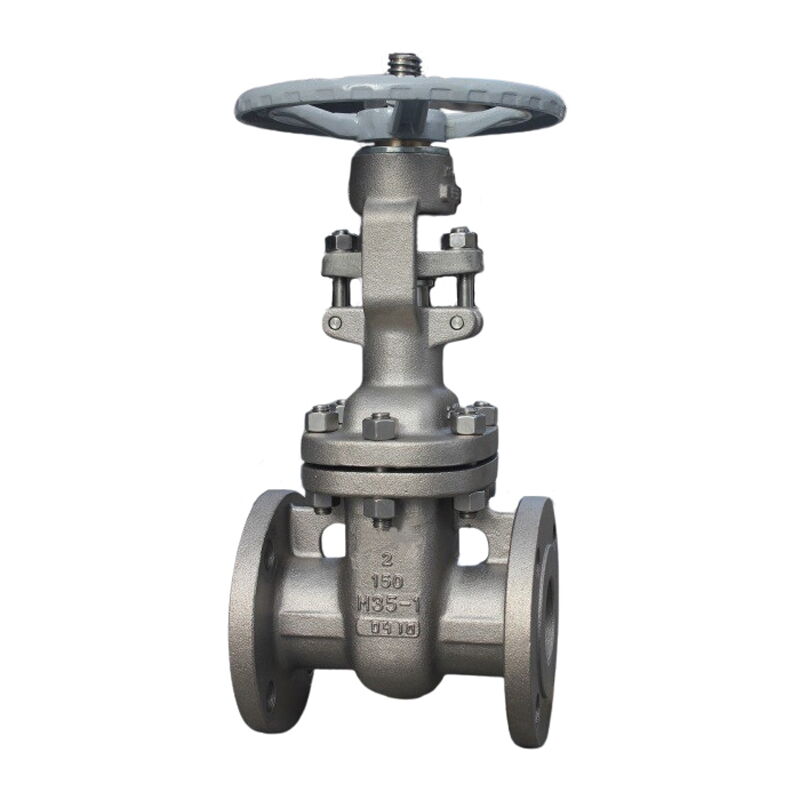
Conventional globe valves traditionally rely on a packing gland arrangement to seal the stem. In contrast, the bellows sealed globe valve replaces this traditional packing with a metallic bellows, fundamentally mitigating the risk of external leakage. The globe valve itself is a linear-motion device that regulates the flow of liquids or gases by adjusting the degree of opening between the disc and the seat. When combined with bellows sealing technology, these valves not only offer excellent flow regulation capabilities but also meet the stringent requirements for high safety and near-zero emission performance demanded by industries such as chemical processing, oil and gas, power generation, pharmaceuticals, and nuclear energy.
The bellows sealed globe valve is primarily composed of several key components: the body, the bellows, the disc, the stem, and the bonnet.
The valve body, typically manufactured from materials like carbon steel, stainless steel, or various alloys, is selected based on specific service conditions to provide the necessary mechanical strength, corrosion resistance, and high-temperature capabilities. It forms the main pressure-retaining structure of the valve and facilitates connection to the pipeline system.
The bellows is the most critical sealing component. Constructed from resilient metal, it is designed to expand and contract axially in response to stem movement while maintaining a completely leak-tight seal. The bellows is usually welded to both the valve stem and the bonnet, ensuring a total separation between the fluid-containing area and the external environment.
The disc is responsible for flow control. By moving into and out of contact with the valve seat, it modulates the flow rate. When the disc is pressed firmly against the seat, the flow is completely shut off; when retracted, the fluid is allowed to pass. The stem transmits the actuation force to the disc, enabling the linear motion required for opening and closing. Finally, the bonnet secures the stem assembly and provides additional external sealing and structural support.

Understanding the operational principle is crucial to appreciating the valve's superior sealing performance.
The operational principle centers on the bellows forming a dynamic, impermeable barrier between the valve stem and the external atmosphere. As the valve is operated, the bellows element flexes to accommodate the linear travel of the stem, simultaneously maintaining an absolute seal that prevents any process media from escaping. This design effectively eliminates the leakage paths inherent in traditional stem packing systems. Because the welded metal bellows provides a dynamic seal between the stem and the bonnet, it completely isolates the internal process fluid from the environment, allowing the valve to function without the need for a conventional packing gland. Throughout the entire stroke, the bellows consistently maintains its sealing integrity.
When the valve is actuated, the stem moves the disc, thereby altering the cross-sectional area of the flow passage. In the open position, the disc is lifted from the seat, permitting unimpeded flow. When closure is required, the disc is lowered and firmly pressed against the seat, effectively blocking the flow path.
During the entire operational cycle, the bellows responds to the stem's vertical displacement. When the stem moves upward, the bellows is extended; conversely, when the stem moves downward, the bellows is compressed. In both states, the bellows maintains a constant, impenetrable seal. In contrast to conventional packed valves, the bellows seal effectively eliminates problems associated with packing aging, wear, or improper installation, making it exceptionally well-suited for applications with stringent emission control requirements.
The bellows sealed globe valve offers a host of significant benefits over traditional valve designs.

The primary advantage is its outstanding leak prevention performance. The complete, hermetic barrier provided by the bellows offers an effective safeguard against the escape of toxic, hazardous, volatile, or corrosive media. This makes it an essential component for handling aggressive acids, chemical solvents, poisonous gases, and other dangerous fluids. By replacing traditional packing with a welded metal bellows, the valve eliminates external leakage paths, achieving a near-zero emission sealing effect even under challenging conditions of high temperature and high pressure. In industrial systems where safety is paramount, this design drastically reduces the risk of leaks, enhancing overall plant safety.
These valves are characterized by low maintenance requirements. The bellows design prevents direct contact between the valve stem and the environment, reducing the ingress of dust, moisture, and corrosive substances into the sealing area, significantly minimizing wear on sealing components. Consequently, they typically deliver consistent, long-term performance, reducing unscheduled downtime. Since the independent metal bellows system replaces the reliance on traditional packing, maintenance needs associated with packing degradation and frictional wear are substantially reduced, and the bellows themselves are designed for excellent corrosion and fatigue resistance.
Bellows sealed globe valves offer high reliability and a long operational lifespan. The bellows, constructed from resilient metallic materials, provides strong resistance to corrosion and fatigue. In demanding environments characterized by high temperatures and pressures, the welded metal bellows can accommodate considerable temperature fluctuations and pressure surges while consistently maintaining its sealing integrity. Under these extreme conditions, its ability to control leakage is markedly better than that of conventional packed valve designs.
Environmental considerations are increasingly important. The control of volatile organic compound emissions and the containment of hazardous fluids are now fundamental requirements. The bellows seal design effectively prevents fugitive emissions, mitigating the risk of environmental pollution. The fully sealed design significantly reduces emissions and prevents leakage of dangerous fluids, making these valves vital in industries subject to rigorous environmental standards, such as chemical production, natural gas processing, and nuclear power generation, where even minute leaks can have severe consequences.
The unique attributes of the bellows sealed globe valve make it suitable for a diverse range of industries.
In the chemical industry, which frequently handles corrosive, toxic, or volatile media, these valves are extensively used in reactors, transfer pipelines, and storage systems to effectively prevent the leakage of hazardous chemicals, safeguarding both the environment and personnel. In the oil and gas sector, they are common in refineries, natural gas processing plants, offshore platforms, and high-pressure transmission pipelines, where their reliable sealing is critical for the safe transport of crude oil and natural gas.
In pharmaceutical manufacturing, processes often require precise control of high-purity, sensitive fluids while preventing external contamination, making these valves well-suited for sterile production environments. In the power generation industry, particularly in high-pressure steam systems and boiler circuits, they provide dependable flow regulation and mitigate the risk of leaks. Finally, in the nuclear industry, which represents the most demanding application, the potential consequences of a radioactive leak necessitate the highest standards of valve sealing performance, making the bellows sealed globe valve a critical safety component.
Choosing the correct valve requires a holistic assessment of key parameters. The materials for the valve body and bellows must be fully compatible with the process fluid; corrosive media typically call for stainless steel or specific alloys, while high-temperature applications demand materials with excellent thermal and mechanical strength. The valve's pressure class must be chosen in accordance with the system's operating pressure and temperature to ensure safe operation.
Bellows sealed globe valves are predominantly manufactured for sizes ranging from DN15 to DN200 (NPS 1/2 to 8). Due to the internal bellows assembly, the flow path is somewhat more complex, resulting in a potential reduction in the flow coefficient (Cv) of approximately 15% to 25% compared to a standard valve of the same size. The valve size must also match the pipeline system to avoid issues of insufficient capacity or excessive pressure loss. Finally, these valves can be operated manually or configured with pneumatic, electric, or hydraulic actuators for systems requiring frequent modulation or remote control.
Despite their high reliability, these valves require periodic maintenance. Routine checks should include inspection of the bellows for signs of cracking, wear, or deformation. If subjected to prolonged exposure to severe environments, the bellows may need replacement according to the manufacturer's recommendations. Maintaining cleanliness of the valve's internal components is also essential to prevent abrasive wear from trapped particles.
It is also important to consider operational limitations. Due to potential fatigue life reduction, these valves are generally not recommended for sizes exceeding DN200. Furthermore, they are not suitable for media containing a high proportion of solid particulates, which can cause abrasive wear. From an economic perspective, the initial purchase cost is higher than that of a comparable standard valve. However, this is often offset by reductions in maintenance costs, elimination of safety risks, and prevention of product loss. For low-pressure, non-hazardous applications, the use of a bellows sealed valve may not be economically justifiable.
The bellows sealed globe valve, through its integral metal bellows, provides a truly hermetic, isolating seal, delivering near-zero emission performance. By forming a reliable barrier between the valve stem and the external environment, it effectively prevents the escape of toxic, hazardous, or corrosive media, making it essential in demanding industries such as chemical processing, oil and gas, pharmaceuticals, power generation, and nuclear power. These valves offer reduced maintenance, high reliability, and extended operational life, even under high temperatures and pressures, while their fully sealed design supports environmental protection goals.
Proper selection requires careful consideration of media properties, pressure and temperature ratings, size, and actuation to ensure a perfect match with service conditions. Routine maintenance is essential for long-term service. While the initial cost is higher and certain size and media limitations exist, the bellows sealed globe valve is an indispensable device for ensuring safety and reliable operation in applications involving hazardous fluids. Through judicious selection and diligent maintenance, it provides long-term, stable, and highly efficient performance across the full spectrum of modern industrial applications.