How to Fix Electric Actuator Overheating

Electric actuator overheating can reduce efficiency, shorten component life, and create safety risks in electric valve systems. Common causes include excessive motor load, electrical resistance, incorrect wiring, abnormal voltage, mechanical friction, worn bearings, aging seals, poor ventilation, high ambient temperatures, and frequent operation. Effective solutions include checking electrical connections, measuring voltage and current, inspecting valves and mechanical components, replacing damaged parts, improving heat dissipation, and optimizing control strategies. Regular maintenance of bearings, seals, gears, and electrical connections is also essential. Proper actuator sizing, duty-cycle selection, temperature monitoring, and preventive maintenance can help reduce overheating, improve reliability, and maintain stable industrial valve operation.
Electric valves are essential components in modern industrial automation. They are widely used to control, isolate, and regulate the flow of liquids, gases, steam, and other process media. By combining a valve with an electric actuator, industrial systems can achieve remote operation, automated control, and more precise process management.
The electric actuator is one of the most important parts of an electric valve. It converts electrical energy into mechanical movement and provides the torque or thrust needed to open, close, or position the valve.
Under normal operating conditions, some heat generation is expected. Electrical resistance, mechanical friction, switching losses, and other forms of energy loss naturally produce heat. However, excessive or abnormal heating should not be ignored.
An electric actuator that becomes excessively hot may experience reduced efficiency, premature component aging, insulation damage, control instability, or even equipment failure. In severe cases, overheating can create a safety risk for the valve system and surrounding equipment.
Therefore, when an electric actuator becomes hot during operation, the correct response is not simply to improve ventilation. The underlying cause should first be identified. Electrical conditions, mechanical resistance, control strategies, environmental factors, and component condition should all be considered.
The most fundamental cause of actuator heating is energy loss during electrical operation.
When current passes through the motor windings, electrical resistance causes part of the electrical energy to be converted into heat. This is commonly associated with resistive or copper losses in the motor.
As current increases, heat generation can increase significantly. Therefore, an actuator operating under excessive load or abnormal electrical conditions may generate more heat than expected.
The relationship between current and resistive heating is important when diagnosing an overheating problem. Even a relatively small increase in current can cause a noticeable increase in heat generation because resistive losses are strongly related to current.
An electric actuator must provide enough torque to overcome the resistance of the valve.
If the valve requires more torque than the actuator was designed to provide, the motor may operate under excessive load. This can increase current consumption and generate additional heat.
Several conditions can increase the required operating torque, including:
- Valve seat friction.
- Corrosion or deposits inside the valve.
- Improper valve installation.
- Excessive packing friction.
- Mechanical deformation.
- Foreign material in the pipeline.
- High differential pressure.
- Incorrect actuator sizing.
If the actuator is consistently operating near its maximum torque capacity, overheating can occur even when the electrical connections are correct.
Mechanical friction is another common source of heat.
The actuator contains moving components such as bearings, gears, shafts, and other transmission elements. If these components are properly lubricated and maintained, mechanical losses can remain within an acceptable range.
However, worn bearings, insufficient lubrication, damaged gears, or excessive sealing friction can increase resistance.
The motor must then produce more force to achieve the same valve movement. The additional energy required is eventually converted into heat.
Bearings support rotating components and reduce friction.
When a bearing becomes worn, contaminated, improperly lubricated, or damaged, the resistance to rotation can increase.
The motor may then consume more power to maintain operation. This additional load can contribute to higher operating temperatures.
Bearing noise, vibration, abnormal movement, or increased current can sometimes accompany this type of problem.
Sealing components are important for protecting the actuator from moisture, dust, and other environmental contaminants.
However, seals can deteriorate with age, temperature, chemical exposure, or mechanical wear.
An aged or damaged seal may increase friction or allow contaminants to enter the actuator. In some cases, a hardened seal can create additional resistance around a moving shaft.
Regular inspection and timely replacement of deteriorated seals can help prevent unnecessary mechanical losses.
Incorrect electrical connections can cause abnormal motor operation and overheating.
Before operating or troubleshooting an electric actuator, technicians should verify that the motor wiring corresponds to the manufacturer's electrical diagram and the required voltage and phase configuration.
Incorrect wiring may result in abnormal current, improper motor rotation, failure to reach the required position, or excessive heating.
Electrical inspection should always be performed by qualified personnel following appropriate isolation and safety procedures.
The actuator should operate within its specified voltage range.
If the supply voltage is too high, the motor and control components may experience excessive electrical stress. If the voltage is too low, the motor may fail to generate sufficient torque and could draw excessive current under certain conditions.
Voltage instability can also affect actuator performance.
Therefore, the actual voltage should be measured under operating conditions rather than relying only on the nominal value indicated by the power source.
For three-phase electric actuators, phase-related problems can significantly affect motor performance.
Incorrect phase sequence, phase loss, or voltage imbalance may result in abnormal motor operation.
A phase-loss condition can be particularly serious because the motor may continue attempting to operate while generating excessive heat.
When troubleshooting a three-phase actuator, technicians should check all phases and verify that voltage values are within the permitted range.
Loose terminals can increase electrical resistance at connection points.
This can cause localized heating and may eventually damage terminals, wiring insulation, or other electrical components.
Electrical terminals should therefore be inspected during routine maintenance.
Signs of a poor electrical connection may include:
- Discoloration around terminals.
- Burn marks.
- Melted insulation.
- Abnormal smell.
- Intermittent operation.
- Unusual temperature at connection points.
Any suspected electrical fault should be corrected before continued operation.
Sometimes the actuator itself is not the primary problem.
The valve may simply require more torque than expected.
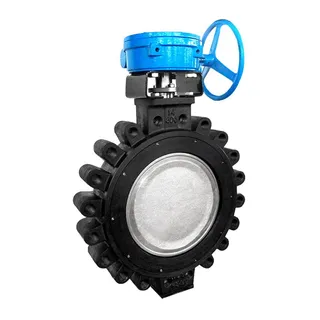
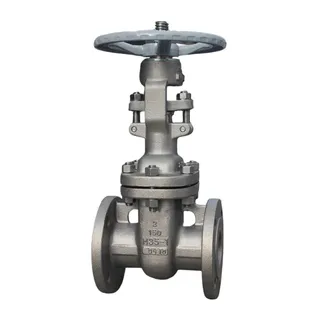
For example, a butterfly valve with a damaged seat or a gate valve with deposits around the gate may become difficult to operate.
If the actuator repeatedly struggles to move the valve, its motor will remain under a high load and generate additional heat.
Therefore, troubleshooting should distinguish between actuator problems and valve problems.
Improper installation can also increase operating resistance.
If the valve is installed under excessive pipeline stress, mechanical deformation can affect the valve body or internal components.
Misalignment between the valve and pipeline can create additional forces on shafts and other components.
The installation should therefore be checked if the actuator begins overheating after a valve replacement, pipeline modification, or maintenance project.
Gears, bearings, and other moving parts may require appropriate lubrication.
Insufficient lubrication increases friction and can cause wear and heat generation.
At the same time, excessive or inappropriate lubricant can also create problems, especially if it changes viscosity significantly at different temperatures or is incompatible with the component materials.
The manufacturer's recommended lubricant and maintenance interval should be followed.
The gearbox transfers motor rotation to the valve stem or shaft.
Worn gears, incorrect gear alignment, excessive backlash, or damaged transmission components can increase resistance.
If the gearbox becomes unusually noisy or the actuator requires more time to complete the valve stroke, inspection should be considered.
The electrical resistance of motor windings affects heat generation.
Conductive materials with lower electrical resistance can reduce resistive losses under suitable design conditions.
Copper is commonly used in electrical applications because of its high electrical conductivity and good thermal characteristics.
However, the performance of an actuator cannot be determined by conductor material alone. Motor winding design, current density, insulation system, cooling method, and overall motor construction are equally important.
Materials with good thermal conductivity can help transfer heat away from localized hot areas.
Copper alloys and other thermally conductive materials may be used in appropriate actuator components where heat transfer is an important design consideration.
However, thermal conductivity should be considered together with strength, wear resistance, corrosion resistance, cost, and manufacturing requirements.
Mechanical components must also withstand repeated movement.
A material that transfers heat effectively but wears quickly may not be suitable for gears, bearings, or other high-friction components.
The ideal material selection balances thermal performance with mechanical durability.
Frequent motor starts and stops can increase energy consumption and heat generation.
Electric motors may experience higher current during startup than during steady-state operation. If the actuator is repeatedly started within a short period, there may be insufficient time for the generated heat to dissipate.
This can cause the internal temperature to rise progressively.
Therefore, the control system should avoid unnecessary repeated cycling whenever the process permits.
Repeatedly changing the actuator direction can also increase mechanical and electrical stress.
For example, a control system that frequently commands the valve to open, stop, close, and reopen may place unnecessary demands on the actuator.
Where possible, the process control strategy should be optimized to reduce unnecessary movements.
Modern electric actuators may include position control, torque control, limit switches, remote control interfaces, and automated process logic.
Incorrect control parameters can cause the actuator to operate unnecessarily often or remain under load for too long.
Control settings should therefore be reviewed when abnormal heating is observed.
An actuator installed in a high-temperature environment may naturally operate at a higher temperature than one installed in a cool environment.
If the surrounding temperature is already high, the actuator has less capacity to dissipate additional heat.
This can become particularly important in:
- Boiler rooms.
- Steam plants.
- Chemical processing areas.
- Outdoor installations in hot climates.
- Enclosed equipment rooms.
- Areas near furnaces or hot pipelines.
The actuator's environmental temperature rating should match the actual installation conditions.
Heat must be transferred from the actuator housing to the surrounding environment.
If the actuator is installed in a poorly ventilated enclosure, heat can accumulate around the housing.
Improving ventilation or providing appropriate cooling may help, but ventilation should not be used to hide an underlying electrical or mechanical fault.
Dust accumulation can interfere with heat dissipation.
In addition, contaminants can enter through damaged seals and affect bearings, gears, switches, or electrical components.
For dusty environments, the actuator's enclosure protection rating should be appropriate for the site conditions.
If the actuator becomes abnormally hot, the first priority is safety.
If there is smoke, burning odor, visible insulation damage, unusual noise, severe vibration, or signs of electrical failure, operation should be stopped according to the site's safety procedures.
The actuator should not be opened or serviced while energized unless the work is specifically authorized and performed under appropriate electrical safety procedures.
The actual temperature should be evaluated rather than relying only on touch.
A surface that feels warm may be normal, while a rapidly increasing temperature may indicate a serious issue.
Infrared thermometers or thermal imaging equipment can be useful for identifying abnormal hot spots.
Measurements should be compared with the actuator manufacturer's permitted operating temperature and the surrounding ambient conditions.
Technicians should verify:
- Supply voltage.
- Phase condition.
- Voltage balance.
- Current.
- Wiring connections.
- Terminal condition.
- Motor protection settings.
Any abnormal electrical readings should be investigated before returning the actuator to normal operation.
The valve should be evaluated separately from the actuator.
Determine whether the valve can move normally and whether the operating torque has increased.
If possible and safe, the valve and actuator should be assessed according to the manufacturer's recommended procedures.
Inspect bearings, gears, shafts, seals, and lubrication points.
Look for:
- Wear.
- Corrosion.
- Lack of lubrication.
- Foreign material.
- Deformation.
- Loose components.
- Damaged seals.
Any defective component should be repaired or replaced as appropriate.
The first long-term solution is to improve the overall actuator design when the existing configuration does not adequately handle the application.
Design improvements may include:
- Better bearing selection.
- Improved gear transmission.
- Reduced friction.
- More effective sealing.
- Improved heat dissipation.
- Better motor sizing.
- Enhanced thermal protection.
The objective is to reduce unnecessary energy losses while improving reliability.
If overheating is caused by worn or aged components, replacement is usually more effective than continued operation.
Potential replacement components include:
- Bearings.
- Sealing rings.
- Motor windings.
- Electrical terminals.
- Gears.
- Lubricants.
- Damaged wiring.
- Thermal protection components.
Replacement parts should meet the original equipment manufacturer's specifications whenever possible.
Heat dissipation can be improved through appropriate housing design, ventilation, thermal paths, or cooling solutions.
However, the cooling strategy should be selected according to the actuator's design and environmental requirements.
Simply installing an external fan may not solve the problem if excessive current or mechanical friction is the real cause.
Material selection can contribute to improved thermal management and mechanical durability.
Highly conductive materials may improve heat transfer in suitable components, while wear-resistant materials can reduce friction and prolong component life.
Material changes should be engineered carefully because thermal conductivity, strength, corrosion resistance, electrical properties, and cost all need to be considered together.
Electrical connections should be inspected periodically.
Maintenance personnel should check for loose terminals, damaged insulation, abnormal current, voltage instability, and other electrical abnormalities.
Early detection can prevent small electrical problems from developing into major failures.
Bearings should be checked for abnormal noise, vibration, temperature, and mechanical resistance.
Where lubrication is required, the recommended maintenance schedule should be followed.
A bearing that shows significant wear should be replaced before it causes secondary damage to the motor or gearbox.
Seals protect internal components from moisture and contamination.
They should be inspected regularly for:
- Cracks.
- Hardening.
- Deformation.
- Leakage.
- Aging.
- Loss of elasticity.
Replacing worn seals can help maintain actuator protection and reduce unwanted friction.
Temperature monitoring is an effective preventive maintenance method.
A baseline operating temperature can be established when the actuator is functioning normally.
Future measurements can then be compared with this baseline.
A gradual increase in temperature may indicate developing friction, increased valve torque, electrical deterioration, or changes in operating conditions.
Maintenance records can provide valuable information about actuator behavior.
Important data may include:
- Operating temperature.
- Current.
- Voltage.
- Number of operating cycles.
- Maintenance dates.
- Component replacement history.
- Abnormal alarms.
- Valve operating torque.
These records can help identify trends before a major failure occurs.
If an actuator continues to overheat after electrical, mechanical, and control issues have been addressed, its capacity may be insufficient for the application.
The actuator should then be reevaluated based on required torque, duty cycle, ambient temperature, valve type, and operating frequency.
Motor insulation can deteriorate due to prolonged overheating.
If insulation resistance is below the required level or visible damage is present, continued operation may be unsafe.
Qualified electrical personnel should evaluate the motor and determine whether repair or replacement is appropriate.
Extensive bearing, gear, or shaft damage can make repair uneconomical.
If the cost of restoring the actuator approaches the cost of a properly sized replacement, replacement may be the more practical choice.
The actuator should provide sufficient torque for the valve throughout its operating range.
It is important not to select an actuator based only on nominal valve diameter.
The actual operating torque can vary according to valve type, pressure differential, sealing arrangement, medium, temperature, and valve condition.
Duty cycle describes how frequently and for how long the actuator can operate within a given period.
An actuator designed for occasional open-close service may not be suitable for frequent modulation.
If an actuator is repeatedly operated beyond its rated duty cycle, overheating can occur even when the valve and power supply are otherwise correct.
The actuator should be selected according to the environmental temperature, humidity, dust level, and other site conditions.
An actuator suitable for a clean indoor environment may require additional protection in an outdoor or dusty industrial installation.
Electric actuator overheating can result from many different causes.
Electrical resistance, excessive motor load, mechanical friction, bearing wear, aging seals, incorrect wiring, abnormal voltage, poor ventilation, high ambient temperature, and frequent operation can all contribute to increased heat generation.
Therefore, simply adding cooling equipment may not solve the underlying problem.
A systematic troubleshooting process should identify whether the source is electrical, mechanical, environmental, or related to the control strategy.
The most effective way to prevent actuator overheating is to combine proper design with correct operation and regular maintenance.
The actuator should be correctly sized for the valve torque and duty cycle. Electrical connections should be inspected regularly. Bearings, gears, seals, and lubrication should be maintained. Control strategies should minimize unnecessary starts and stops. Operating temperature should be monitored to detect abnormal changes at an early stage.
When an electric actuator becomes excessively hot, the problem should be addressed promptly. By checking the electrical system, evaluating valve resistance, inspecting mechanical components, optimizing control strategies, improving heat dissipation, and replacing deteriorated parts, operators can reduce unnecessary heat generation and improve equipment reliability.
Ultimately, effective temperature management is not only about protecting the actuator. It also helps maintain stable valve operation, reduce unplanned downtime, improve production efficiency, and support the overall safety and reliability of modern industrial automation systems.