How to Choose the Right Electric Ball Valve?
In the industrial field, electric ball valves serve as a crucial component of fluid control systems. Whether in large chemical enterprises or small manufacturing factories, selecting the right electric ball valve is vital for ensuring smooth and safe production processes. However, with the wide variety of products on the market, how can one choose the most suitable electric ball valve? This article provides a detailed explanation.
An electric ball valve is a valve driven by an electric actuator that rotates the ball around the valve stem axis. The valve port opening varies proportionally with the valve stroke. It is mainly used to cut off or connect the medium in the pipeline and can also be used for fluid regulation and control. In industrial automation control systems, electric ball valves, as important actuators, are widely used in various fluid pipeline systems and play an excellent role in controlling flow, pressure, and backflow.
Before selecting an electric ball valve, the first task is to determine its operating environment. Will the valve be installed indoors or outdoors? If outdoors, will it be exposed to wind, sunlight, rain, or other natural factors? What is the ambient temperature? Is it a high-temperature environment, such as pipelines near a steel plant, or a low-temperature environment, such as fluid control in a cold storage facility? In addition, does the pipeline carry corrosive media, such as acids, alkalis, or other chemical substances? These environmental conditions directly affect the material selection and mechanical performance requirements of the electric ball valve.
The selection of materials is crucial according to different operating environments. Common materials include stainless steel, carbon steel, and cast iron.
Stainless steel is one of the most commonly used materials. It has excellent corrosion resistance, can withstand various chemical media, and is suitable for a wide range of industrial scenarios. For environments requiring higher corrosion resistance, such as chemical plants handling strong acids or alkalis, stainless steel is undoubtedly the first choice.
Carbon steel has good mechanical properties, relatively low cost, and is suitable for general industrial environments. However, its corrosion resistance is weaker and should be evaluated according to specific conditions.
Cast iron is generally used in scenarios with low strength requirements and relatively stable environments, but its corrosion resistance and impact resistance are inferior to stainless steel and carbon steel.
In addition to the valve body material, the choice of sealing material is also critical. Sealing materials such as PTFE (polytetrafluoroethylene) have excellent corrosion resistance and sealing performance, ensuring the valve can effectively seal under various media, prevent fluid leakage, and guarantee safe system operation.
The size of the electric ball valve should be determined according to the needs of the fluid system. Oversized valves increase costs and may affect flow rate and control accuracy, while undersized valves cannot meet the flow requirements of the system, resulting in poor operation. Therefore, when selecting a valve, consider the fluid medium's flow, velocity, and system requirements. For example, in a large chemical plants raw material pipeline requiring high flow, a larger diameter electric ball valve is needed, while smaller valves may suffice for auxiliary pipelines in smaller equipment.
When purchasing an electric ball valve, confirm the pipeline diameter and valve connection type. Common connection methods include flanged, threaded, and clamped connections.
Flanged connections: Easy to install, good sealing, can withstand high pressure, suitable for large pipeline systems and scenarios requiring frequent disassembly and maintenance.
Threaded connections: Simple, low-cost, but lower pressure capacity, suitable for small pipelines and environments with lower pressure requirements.
Clamp connections: Quick installation, easy maintenance, suitable for systems requiring fast disassembly.
At the same time, confirm voltage, power requirements, or select the actuator model according to medium pressure and pipeline size. Different pressure and size requirements need different opening torque, and detailed specifications such as whether the actuator has a manual switch must also be clarified. Proper matching ensures the electric ball valve operates stably and reliably, preventing failures due to electrical or mechanical mismatches.
Choosing a reliable brand is crucial when selecting an electric ball valve. Well-known brands typically provide better quality assurance and after-sales service. They have strict quality control systems during production, ensuring that each product meets high standards. Good after-sales service can provide timely technical support and maintenance, ensuring the valves stable performance and long-term reliable operation.
When selecting a brand, consider reputation, user reviews, and market share. A brand with a good reputation and positive reviews often offers higher quality products and services, while a high market share indicates broad recognition and reliability.
In special environments, electric ball valve selection requires extra attention. For indoor installations or outdoor applications with protection, conventional electric ball valves may suffice. However, for outdoor exposed installations subject to wind, sand, rain, or sunlight, valves with better protection, such as waterproof and dustproof designs, are needed. In environments with flammable or explosive gases or dust, explosion-proof electric ball valves must be used for safety.
Tropical humid or dry hot environments demand higher corrosion resistance and sealing performance. Extreme temperature conditions, such as medium temperatures above 450°C or ambient temperatures below -20°C, require valves made from materials suitable for these ranges. Environments prone to flooding or radiation, such as nuclear power plants, require valves with appropriate protective measures and materials. On ships or dockside facilities exposed to salt spray, mold, or moisture, or in locations with severe vibration or fire risk, valve structure, materials, and protection must meet special requirements. Valve actuators should be selected according to these environmental characteristics.
Among various electric ball valve products, different types have unique structures and performance characteristics suitable for specific applications. Understanding these helps in selecting the most appropriate valve for different industrial needs.
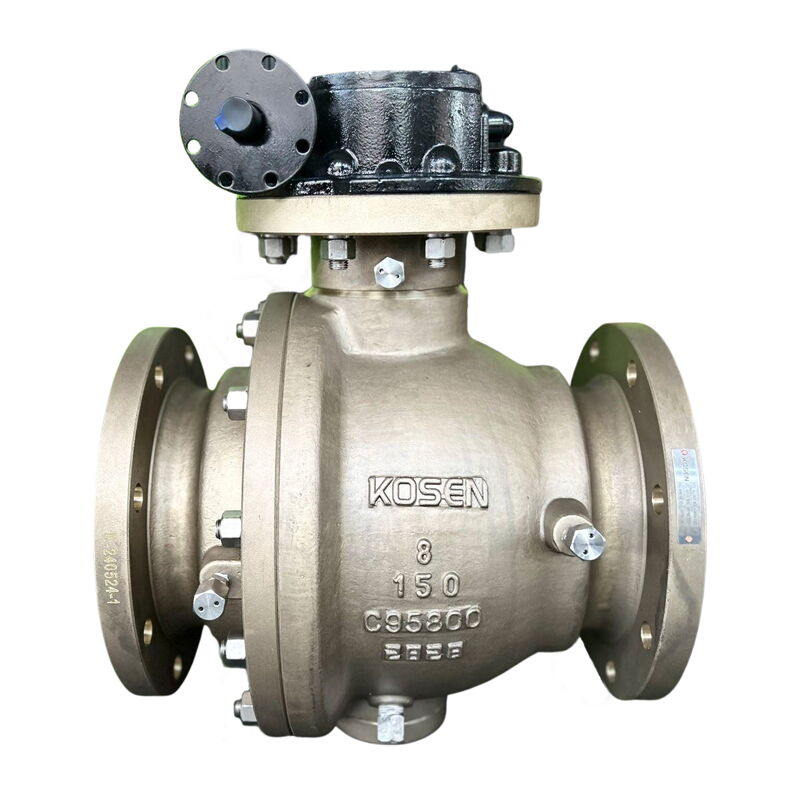
Electric Flanged Ball Valve: Suitable for on/off or flow regulation applications; directly connected to the actuator with a built-in servo system, controlled by 4–20 mA signals and 220 VAC power. Features simple wiring, compact structure, small size, lightweight, low resistance, and stable, reliable operation. Widely used in large pipelines in petroleum, chemical, and pharmaceutical industries.
Electric Threaded Ball Valve: Composed of a compact actuator and stainless steel threaded valve. Valve bodies can be one-piece, two-piece, or three-piece, made of 304, 316, or 316L stainless steel with silica sol precision casting. Seats use PTFE elastic sealing for easy, reliable operation. Suitable for water, steam, oils, nitric acid, acetic acid, and other media; ideal for food processing and small chemical applications.
Electric Ultra-Thin (Wafer) Ball Valve: Composed of a DSR electric actuator and ultra-thin ball valve. Compared to standard electric ball valves, it is compact, lightweight, has minimal material retention, and excellent sealing. Suitable for short installation spaces in chemical, petroleum, pharmaceutical, and light industry automation. V-type ball structure with electronic actuator allows flow regulation.
Electric Flanged Three-Way Ball Valve: Powered by AC 220V single-phase, receives control system or operator 220V signals, drives reversible single-phase gear motor, and enables flow direction switching. Important in complex processes requiring flow diversion or merging, e.g., material distribution and recovery systems in chemical production.
Electric Three-Way Threaded Ball Valve: Composed of a DSR series angle travel actuator and three-way threaded ball valve; rotary shutoff/regulation valve with tight closure, compact structure, lightweight, and easy maintenance. Operates on 220V single-phase AC; receives control signals to switch pipeline flow. Suitable for small pipeline systems, laboratory equipment, or small chemical setups for flexible flow control.
Electric Fixed Ball Valve: Integrated structure, controllable with 4–20 mA DC or 1–5 V DC signals and single-phase power. Features strong function, small size, lightweight, reliable performance, simple support, and large flow capacity. Especially suitable for viscous, fibrous, or particulate media; widely used in food, environmental protection, light industry, petroleum, papermaking, chemical teaching/research, and power systems. Ensures stable control in special media like paper pulp or viscous food products.
Flanged Electric PTFE-Lined Ball Valve: Composed of an electric actuator and two-piece PTFE-lined cast valve. Valve cavity and ball lined with corrosion-resistant and aging-resistant F46 (PTFE-FEP). Actuator provides sufficient torque, automatic reset clutch, and valve position feedback for remote control. Excellent for handling highly corrosive chemical pipelines, preventing corrosion, extending valve life, and enabling automated operations for higher efficiency and safety.
Selecting the right electric ball valve requires comprehensive consideration of multiple factors. From evaluating the operating environment, materials, size, connection type, electrical parameters, and brand, to special selection for specific environments, each step is critical. Only by analyzing these factors thoroughly can the selected valve meet actual production needs and ensure stable and safe industrial system operation.
During selection, it is recommended to communicate with professional valve suppliers or engineers, clearly explain usage scenarios and requirements to obtain accurate selection advice. At the same time, keep track of industry trends and technological developments, and choose products that comply with the latest standards to lay a solid foundation for long-term enterprise development.