Iron vs. Steel Valves: Where to Draw the Line
Iron and steel valves serve different applications in industrial piping systems, and selecting the right material depends on operating pressure, temperature, fluid properties, corrosion risks, and safety requirements. Gray cast iron and ductile iron valves are widely used in municipal water supply, HVAC, fire-protection networks, and general utility systems because of their cost-effectiveness and reliable performance under suitable conditions. Steel valves, including carbon steel, stainless steel, and alloy steel, are preferred for demanding applications such as oil and gas pipelines, petrochemical processing, high-temperature steam, and cryogenic services. Understanding material properties, pressure-temperature ratings, industry standards, and lifecycle costs helps engineers make safe and economical valve selections.
Iron valves and steel valves serve different roles in industrial piping systems, and the distinction is primarily determined by operating pressure, temperature, mechanical loads, fluid properties, and the consequences of failure. Iron valves are widely used in water distribution, HVAC, and other moderate-duty services where their pressure-temperature ratings and material properties are suitable. Steel valves are generally selected for demanding process conditions, including high pressure, elevated or cryogenic temperatures, hydrocarbon service, and critical isolation duties, provided that the selected steel grade is compatible with the medium and applicable design codes.
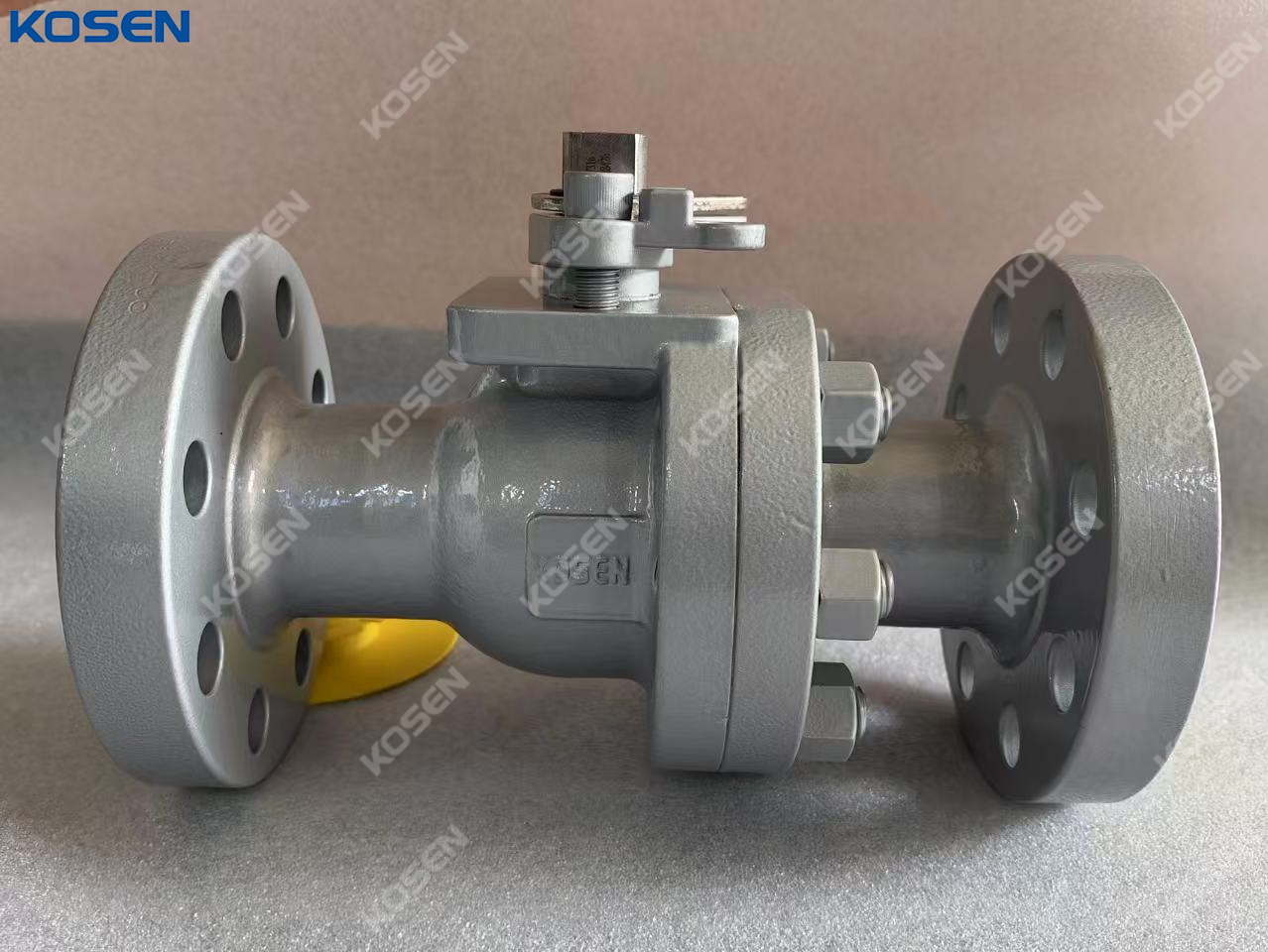
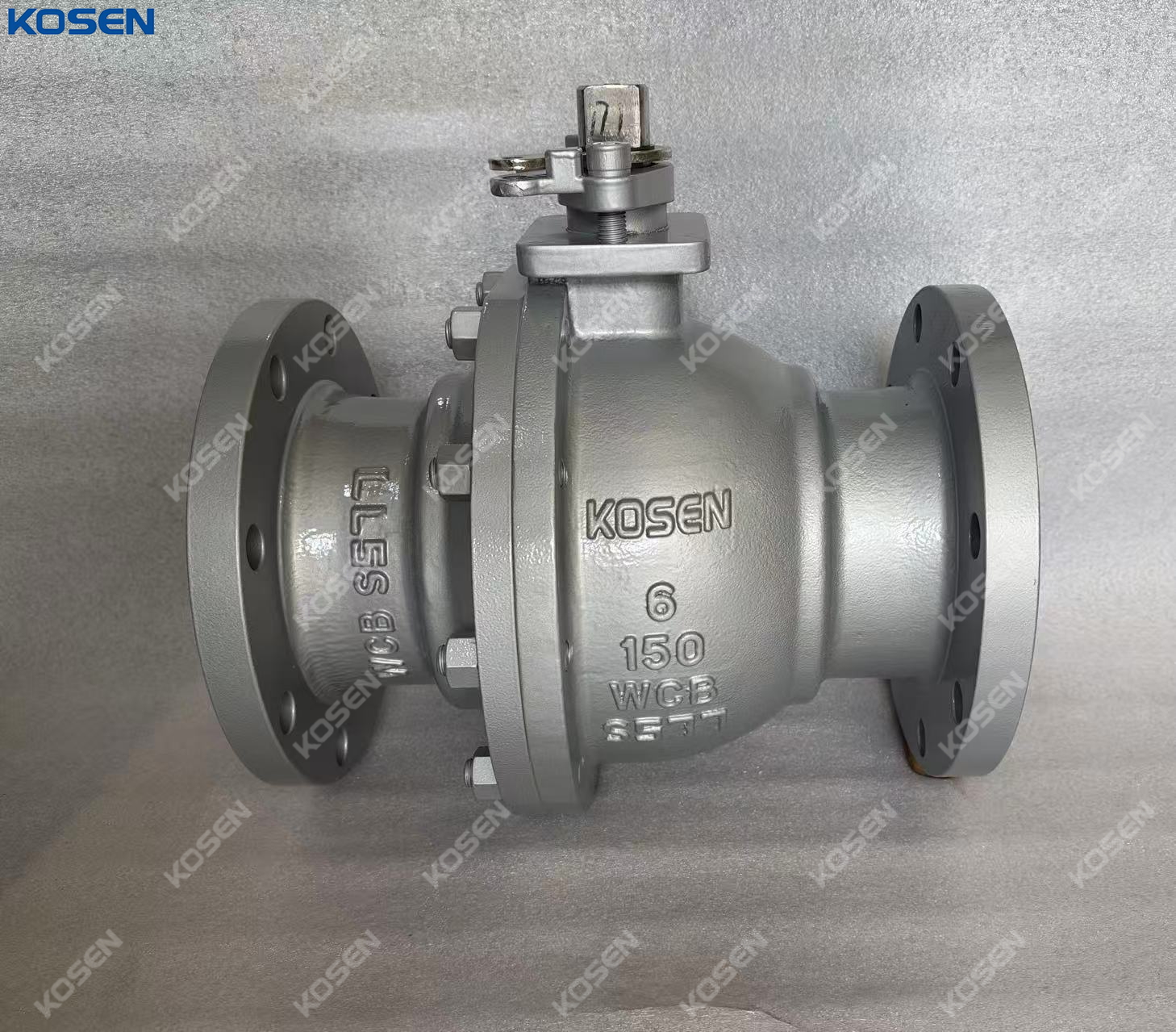
A valve is more than a device for starting, stopping, or regulating flow. It is a pressure-retaining component exposed to internal pressure, temperature fluctuations, pipeline loads, vibration, corrosion, erosion, and repeated operating cycles. Its body and bonnet must maintain structural integrity throughout the specified service life, while the closure assembly and sealing surfaces must provide the required shutoff performance.
Choosing between iron and steel is therefore a matter of matching material characteristics to actual operating conditions. A valve that performs reliably in a municipal water network may be unsuitable for a high-pressure steam line, even if its nominal diameter and connection dimensions are identical. Conversely, installing an expensive alloy-steel valve in a low-pressure cooling-water system may add little practical value if a properly rated iron valve can meet the same service requirements.
The distinction also has an economic dimension. Initial purchase price is only one part of the total cost of ownership. Installation, maintenance, inspection, replacement frequency, energy losses, corrosion protection, and the financial consequences of unplanned shutdowns all influence the final decision. A sound selection process considers both technical suitability and lifecycle cost.
The terms iron valve and steel valve describe broad material families rather than single, uniform materials. Different grades within each family have substantially different mechanical properties, corrosion resistance, manufacturing characteristics, and allowable service ranges.
Gray cast iron, commonly identified by designations such as ASTM A126 or relevant national material grades, contains graphite primarily in flake form. These graphite flakes contribute to good castability, vibration damping, machinability, and relatively low manufacturing cost.
Gray iron is widely used for valve bodies in building services and water infrastructure. Its limitations arise mainly from its relatively low tensile ductility and sensitivity to stress concentrations. Under impact, bending, sudden pressure changes, or excessive external loading, gray iron may fracture with limited plastic deformation before failure.
Typical characteristics include:
- Good castability and dimensional stability.
- Effective vibration damping.
- Good machinability and relatively low material cost.
- Lower ductility and impact resistance than most steel grades.
- Limited suitability for severe mechanical shock or demanding thermal cycling.
These properties explain why gray cast-iron valves are common in moderate-pressure water systems but are not generally selected for severe process duties.
Ductile iron, also known as nodular or spheroidal graphite iron, contains graphite in approximately spherical nodules rather than flakes. This microstructure improves tensile strength, elongation, and impact resistance compared with conventional gray iron.
Ductile iron is extensively used in municipal water distribution, wastewater treatment, fire-protection networks, and industrial utility piping. It can offer a useful balance between mechanical performance, corrosion protection, castability, and cost.
Common material specifications include ASTM A536 for ductile iron castings. In waterworks applications, valve standards such as AWWA C509 and AWWA C515 address resilient-seated gate valves made with ductile-iron bodies and related construction requirements.
However, ductile iron should not be treated as interchangeable with steel. Its performance depends on grade, wall thickness, casting quality, temperature, pressure, and the applicable design standard. It also retains different fracture and temperature-dependent characteristics from forged or cast steel.
Carbon steel is one of the principal materials used in industrial valve manufacturing. ASTM A216 Grade WCB is a widely recognized cast-carbon-steel specification for pressure-containing components, while forged-steel valves may use materials specified under ASTM A105 or other applicable forging standards.
Compared with gray cast iron, carbon steel generally offers greater ductility and better resistance to impact and mechanical loading. It is therefore widely used in oil and gas, petrochemical processing, power generation, steam systems, and general industrial pipelines.
Its main limitation is corrosion resistance. In water, humid environments, and many process fluids, carbon steel may require coatings, linings, corrosion inhibitors, or other protective measures. Its suitability for a particular medium must be assessed rather than assumed.
Stainless steel valves are selected when corrosion resistance, cleanliness, or resistance to particular process environments is required. Common grades include 304, 316, and 316L, although the appropriate grade depends on the chemical composition, temperature, concentration, and flow conditions of the medium.
For example, 316L contains a lower carbon content than standard 316, which can reduce the risk of sensitization and intergranular corrosion in certain welded applications. Its molybdenum content generally improves resistance to localized corrosion compared with 304, particularly in some chloride-containing environments. Nevertheless, neither grade is universally resistant to acids, chlorides, or seawater.
Alloy steels are used where carbon steel does not provide sufficient high-temperature strength, creep resistance, or low-temperature toughness. Chromium-molybdenum steels, for example, are commonly used in elevated-temperature power and process applications. Austenitic stainless steels and specially qualified alloys may be used in cryogenic systems.
Iron valves are particularly suitable for systems in which pressure and temperature remain within the limits of the selected material and valve standard, and where the fluid does not create unacceptable corrosion, erosion, or safety risks.
Municipal water distribution is one of the most established applications for ductile-iron valves. Water networks often contain large-diameter pipelines, buried installations, distribution branches, isolation points, and service connections. These systems require valves that can withstand internal pressure, soil loading, installation stresses, and long periods of operation with limited access.
Ductile-iron gate valves and butterfly valves are frequently used for these duties. Their advantages include:
- Suitable mechanical strength for many water-distribution pressure classes.
- Efficient casting of large and complex valve bodies.
- Compatibility with protective coatings and linings.
- Established standards and supply chains.
- Competitive manufacturing and maintenance costs.
AWWA C509 and C515 are relevant examples of standards covering resilient-seated gate valves for water supply service. The applicable standard, pressure class, end connection, coating system, and installation conditions must be checked for each project.
Heating, ventilation, and air-conditioning systems commonly use iron valves in chilled-water, condenser-water, and hot-water circulation circuits. These systems often operate under moderate pressures and temperatures, making properly rated gray-iron or ductile-iron valves practical options.
Typical applications include:
- Chilled-water supply and return headers.
- Cooling-tower circulation lines.
- Pump suction and discharge connections.
- Heat-exchanger isolation.
- Building heating-water distribution.
- General utility-water branches.
For these applications, the designer should verify the maximum operating pressure, pump shutoff pressure, design temperature, water chemistry, and possible transient conditions. A system described as “low pressure” may still experience significant pressure surges during pump startup, rapid valve closure, or check-valve slam.
Ductile-iron valves are also widely used in fire-protection water networks, including underground mains and building supply systems. However, fire-protection applications are governed by specific approval, listing, installation, and inspection requirements.
A valve's material alone does not establish its suitability for fire service. The complete product must meet the applicable project specifications and relevant requirements, which may include recognized fire-protection standards and certification schemes. Designers should verify approval status, pressure rating, indication requirements, end connections, and installation location.
Industrial plants use substantial volumes of cooling water, service water, and other utility fluids. In many non-critical, moderate-pressure circuits, ductile-iron valves provide a cost-effective solution.
Examples include cooling-tower basins, general cooling-water headers, utility-water distribution, and certain low-pressure return systems. However, the actual water chemistry can change the material decision. Seawater, brackish water, water containing suspended solids, and chemically treated cooling water may create corrosion or erosion conditions that require special linings, coatings, or alternative materials.
Iron valves may also be used in certain low-pressure air and gas systems when the valve design, material specification, pressure-temperature rating, and applicable code explicitly permit the service.
This is an important distinction: a medium being non-corrosive does not automatically make it safe for an iron valve. Gas service can involve different leakage consequences from water service, and some gases are flammable, toxic, or capable of permeating sealing materials. The engineer must evaluate both the valve's mechanical suitability and the hazards associated with leakage.
Steel valves are commonly selected when the piping system requires greater mechanical toughness, a wider range of pressure-temperature capability, or compliance with process-industry specifications. The material grade must still be selected according to the actual service conditions.
Oil and gas facilities handle crude oil, natural gas, refined products, LPG, hydrogen, and numerous process fluids. These systems may operate at elevated pressures, experience significant temperature changes, and be exposed to vibration, pipeline movement, or cyclic loading.
Steel valves are widely used in:
- Wellhead and gathering systems.
- Gas transmission and distribution facilities.
- Refinery process units.
- LPG storage and transfer systems.
- Compressor stations.
- Pipeline isolation and emergency shutdown systems.
Cast-carbon-steel bodies such as ASTM A216 WCB are commonly used in many industrial applications, subject to the design code and material limitations. Forged-steel bodies and other qualified grades may be specified for particular sizes, pressure classes, or service conditions.
For pipeline valves, API 6D is an important product standard covering design, manufacturing, testing, and documentation requirements for pipeline and piping valves. The standard does not mean that every API 6D valve is automatically suitable for every fluid or operating condition; the selected material, trim, sealing arrangement, and testing requirements remain essential.
Chemical plants handle a wide range of media, from relatively benign water-based solutions to highly corrosive, toxic, flammable, or reactive substances. Steel valves are often used because they can be manufactured in a wide range of pressure classes and material grades.
Carbon steel may be suitable for many non-corrosive hydrocarbon and utility services. Stainless steel or special alloys may be needed for corrosive media, while lined valves may be considered for certain chemicals when the lining material is compatible with the fluid and operating conditions.
Material selection should consider:
- Chemical concentration and composition.
- Operating and upset temperatures.
- Fluid velocity and erosion potential.
- Chloride content and risk of pitting or stress-corrosion cracking.
- Presence of hydrogen sulfide or other corrosive contaminants.
- Cleaning, flushing, and sterilization requirements.
- Potential consequences of leakage.
It is inaccurate to assume that stainless steel is automatically suitable for every acid or alkali. For example, some acids attack common stainless-steel grades severely, while certain caustic environments can cause stress-corrosion or other forms of degradation under particular conditions. Chemical compatibility data and engineering review are essential.
Power plants rely on valves to control steam, feedwater, condensate, cooling water, fuel, and auxiliary systems. Steam service can involve high temperatures, high pressures, thermal cycling, and demanding shutoff requirements.
Steel valves are therefore widely used in boiler feedwater lines, main steam systems, turbine bypass arrangements, high-temperature drains, and other pressure-retaining services.
The required material depends on the design temperature and pressure, as well as the relevant piping and equipment codes. Carbon steel may be appropriate for some moderate-temperature services, while chromium-molybdenum alloy steels are used in higher-temperature applications where improved high-temperature strength and creep resistance are required.
Steel materials offer a broader range of options for extreme temperatures than conventional gray cast iron. Nevertheless, high-temperature and cryogenic suitability must be established for the specific grade and product design.
At elevated temperatures, designers must consider reductions in allowable stress, creep, oxidation, thermal fatigue, and the effects of repeated startup and shutdown cycles. At low temperatures, impact toughness and the risk of brittle fracture become particularly important.
Cryogenic valves for LNG, liquid nitrogen, and similar services may use qualified austenitic stainless steels or other materials selected for low-temperature toughness. The valve may also require extended bonnets, special packing arrangements, and design provisions to keep the stem sealing area at an appropriate temperature.
The following table provides a general comparison. It is not a substitute for checking the pressure-temperature ratings and material requirements of a specific valve design.
| Evaluation factor | Gray cast iron | Ductile iron | Carbon steel | Stainless/alloy steel |
|---|---|---|---|---|
| Typical examples | ASTM A126 grades | ASTM A536 grades | ASTM A216 WCB, ASTM A105 | 304, 316L, alloy-steel grades |
| Ductility | Relatively low | Higher than gray iron | Generally high | Depends on grade |
| Impact resistance | Limited | Improved | Generally good | Grade-dependent; austenitic grades often perform well at low temperatures |
| Pressure capability | Design-dependent, generally moderate | Design-dependent, widely used in waterworks | Broad range of industrial pressure classes | Broad range, depending on grade and design |
| Temperature capability | More limited | More limited than many steel options | Suitable for many industrial temperatures | Grade-specific; includes selected high- and low-temperature services |
| Corrosion resistance | Often needs protection | Often needs protection | Usually needs protection in corrosive environments | Varies substantially by alloy and medium |
| Manufacturing | Excellent castability | Excellent castability | Casting, forging, machining, welding | Casting, forging, machining, welding |
| Typical applications | Building water and HVAC | Municipal water, wastewater, fire mains | Oil, gas, steam, general process | Chemical, food, pharmaceutical, marine, special-temperature service |
| Relative initial cost | Often low | Often moderate | Moderate to high | Often higher, especially for special alloys |
It is tempting to select a valve material by comparing tensile strength alone. However, tensile strength does not fully describe the material's ability to withstand pressure, impact, fatigue, or fracture.
Valve body design also depends on wall thickness, geometry, casting quality, manufacturing tolerances, design factors, and applicable code rules. A lower-strength material can be suitable when the component is designed and rated accordingly. Conversely, a high-strength material does not guarantee reliable performance if the valve has poor casting quality, inadequate inspection, unsuitable trim, or incorrect installation.
One important difference is how materials respond when overloaded. Gray cast iron generally has limited plastic deformation before fracture. Many steel grades can deform more noticeably before failure, although this behavior depends on temperature, material condition, loading rate, and microstructure.
This distinction matters in pipelines exposed to vibration, external loads, thermal expansion, settlement, or pressure transients. A material that can tolerate some deformation may provide a different failure margin from one that is more brittle. However, ductility should not be used to justify operation above a valve's rated limits.
Neither “iron” nor “steel” is a complete corrosion-resistance specification. Gray iron and ductile iron may require internal linings and external coatings. Carbon steel may need protective coatings, corrosion allowances, or inhibitors. Stainless steel grades differ significantly in their resistance to pitting, crevice corrosion, stress-corrosion cracking, and chemical attack.
The appropriate choice depends on the actual medium and environment, not simply on whether a material is classified as steel.
A common rule of thumb suggests that iron valves should be avoided above 2.5 MPa or 250°C. Such figures can be useful as preliminary screening indicators in some contexts, but they should not be treated as universal engineering limits. The actual allowable pressure depends on the material grade, valve design, wall thickness, nominal size, manufacturing method, temperature, and governing standard.
A valve rated for one pressure class at ambient temperature may have a lower allowable working pressure at elevated temperature. This is particularly important for materials whose strength decreases as temperature rises. Similarly, a valve suitable for a moderate-temperature water line may not be suitable for hot oil or steam, even when the nominal pressure appears acceptable.
ASME B16.34 addresses pressure-temperature ratings, materials, dimensions, tolerances, examination, testing, and marking for covered steel and alloy valves. It provides a framework for evaluating a valve's rating rather than relying on a single pressure threshold. The standard is intended to be used alongside relevant piping and equipment codes.
Engineers should distinguish between normal operating pressure, maximum operating pressure, design pressure, and transient pressure. The design pressure is not necessarily the same as the pressure observed during routine operation.
For example, a water pipeline may normally operate at 0.8 MPa, but pump shutoff pressure or a water-hammer event may produce a significantly higher pressure. If the valve is selected only on the basis of normal operating pressure, its pressure-retaining capability may be inadequate.
The following factors should be considered:
- Maximum continuous operating pressure.
- Design pressure specified by the piping system.
- Pump shutoff pressure and pressure-control failure scenarios.
- Surge pressure caused by rapid valve closure or pump trips.
- Static head in elevated pipelines.
- Pressure changes during startup, shutdown, and maintenance.
- External pressure or vacuum conditions, where relevant.
Temperature affects tensile strength, yield strength, impact toughness, creep resistance, sealing materials, and packing performance. At elevated temperatures, some materials gradually lose strength, while long-term exposure under stress may cause creep deformation. At low temperatures, certain ferritic materials can become more susceptible to brittle fracture.
For this reason, “steel valve” is not a sufficient specification for either high-temperature or cryogenic service. The exact steel grade, heat treatment, impact-test requirements, and product design must be checked against the specified minimum and maximum metal temperatures.
Fluid classification is another important part of material selection. Water, compressed air, natural gas, hydrogen, steam, acids, and toxic process chemicals create different operating and failure risks.
A non-corrosive medium may still be hazardous if it is flammable, toxic, or stored at high pressure. Conversely, a corrosive medium may be handled safely by a properly engineered lined or alloy valve. The correct decision is based on the complete service specification and applicable safety requirements, not simply on whether the fluid is described as “ordinary” or “dangerous.”
Industry standards help convert a general material preference into measurable requirements. They define or reference material grades, pressure-temperature ratings, dimensions, testing, inspection, marking, and other product requirements. The applicable standards depend on the valve type, industry, jurisdiction, and project specification.
For ductile-iron castings, ASTM A536 specifies material grades and mechanical-property requirements. It identifies ductile iron by its substantially spheroidal graphite structure and includes requirements relating to tensile strength, yield strength, and elongation. It also allows additional requirements, such as hardness, chemical composition, microstructure, pressure tightness, and nondestructive examination, to be specified where required by the purchase order.
For waterworks applications, AWWA standards provide product-specific requirements. Examples include:
- AWWA C509: Resilient-seated gate valves for water supply service.
- AWWA C515: Reduced-wall resilient-seated gate valves for water supply service.
- AWWA C508: Swing-check valves for waterworks service.
- AWWA C512: Air-release, air/vacuum, and combination air valves for water and wastewater service.
These standards are listed in AWWA's standards catalogue. Their scope and current edition should be confirmed when preparing a project specification.
Steel valves used in industrial and process systems are often specified under standards that address particular valve types and services. Examples include:
- ASME B16.34: Pressure-temperature ratings, materials, dimensions, examination, testing, and marking for covered valves.
- API 600: Steel gate valves with flanged and butt-welding ends and bolted bonnets.
- API 602: Compact gate, globe, and check valves for smaller sizes in petroleum and natural gas industries.
- API 6D: Pipeline and piping valves used in pipeline-related applications.
API's standards catalogue identifies API 600 as the standard for steel gate valves and API 602 as covering smaller gate, globe, and check valves for petroleum and natural gas industries.
A project may also require compliance with piping codes, pressure-equipment regulations, fire-safe requirements, fugitive-emissions standards, or special inspection procedures. Product-standard compliance alone does not replace the need to verify the complete valve's suitability for the service.
Although the valve body is a major pressure-retaining component, the body material is only one part of the selection process. A valve can have a suitable body but still fail prematurely because of incompatible trim, inadequate sealing materials, poor corrosion protection, or an unsuitable operating mechanism.
The trim includes components such as the disc, ball, stem, seat, and other wetted internal parts, depending on valve design. These components may be exposed to high-velocity flow, cavitation, erosion, corrosion, and repeated contact during operation.
For example, a carbon-steel valve body may be paired with stainless-steel trim to improve resistance to corrosion or wear in selected services. A stainless-steel body does not automatically mean that every internal component is made from the same grade. The complete bill of materials should be reviewed.
Soft seats made from elastomers or polymers can provide tight shutoff in many water and industrial applications. However, their suitability is limited by temperature, pressure differential, chemical compatibility, and mechanical wear.
Common materials include EPDM, NBR, FKM, PTFE, and other engineered polymers. Their performance varies considerably:
- EPDM is widely used in water and some hot-water applications but is generally unsuitable for many petroleum-based oils.
- NBR is often used for oil and fuel applications, subject to temperature and chemical limitations.
- FKM offers resistance to many oils and chemicals but is not universally suitable for all chemicals or low-temperature conditions.
- PTFE has broad chemical resistance but can exhibit creep and requires appropriate design support.
The seat and seal specification should therefore be checked against the fluid and the full operating-temperature range.
Corrosion protection can significantly affect valve service life. Ductile-iron water valves may use fusion-bonded epoxy coatings or other protective systems. Carbon-steel valves may require external coatings, internal linings, corrosion allowances, or chemical treatment depending on the service.
In buried water pipelines, soil chemistry, groundwater, stray electrical currents, and coating damage can influence external corrosion. In cooling-water systems, dissolved oxygen, chloride concentration, microbiological activity, and treatment chemicals can affect internal corrosion.
A material selection that ignores the surrounding environment may lead to premature leakage, wall thinning, or loss of structural integrity.
A structured selection procedure reduces the risk of choosing a valve based only on nominal size, purchase price, or a broad material label.
Record the normal and extreme operating conditions, including:
- Design pressure and maximum differential pressure.
- Minimum and maximum operating temperatures.
- Fluid composition and concentration.
- Flow rate and velocity.
- Solids content and potential erosion.
- Startup, shutdown, and upset conditions.
- Vacuum or reverse-pressure conditions, if applicable.
The operating envelope should include foreseeable abnormal conditions, not just the values measured during routine operation.
The valve type should be selected according to its duty. Gate valves are commonly used for isolation, globe valves for throttling and control, ball valves for tight shutoff and rapid operation, and butterfly valves for isolation or control in suitable applications.
The choice of body material cannot compensate for an unsuitable valve design. A valve intended primarily for on/off service may suffer premature seat damage if used for continuous throttling outside its design limits.
Specify the exact material grade rather than simply writing “iron” or “steel.” For example, ASTM A536 ductile iron, ASTM A216 WCB cast carbon steel, or ASTM A351 CF8M cast stainless steel describe different material requirements and should not be treated as interchangeable.
The specification should also identify the relevant product standard, pressure class, end connection, inspection requirements, and any additional project requirements.
Confirm the allowable pressure at the actual design temperature. Do not assume that a nominal class rating remains unchanged across the full temperature range.
For critical applications, verify the rating against the manufacturer's technical documentation and the governing design standard. If the service involves pressure cycling, thermal cycling, or surge loads, these should be addressed explicitly during engineering review.
Review the corrosion and erosion risks for all wetted components. If the medium contains chlorides, acids, alkalis, hydrogen sulfide, abrasive particles, or other aggressive constituents, material selection may require specialist corrosion data or testing.
A valve in a low-risk cooling-water branch has different safety implications from a valve isolating a high-pressure flammable-gas line. The potential consequences of leakage, body fracture, or failure to close should influence the required design, testing, inspection, and material controls.
Compare not only the purchase price but also installation, maintenance, inspection, spare parts, downtime, replacement, and disposal costs. The lowest initial-cost option is not necessarily the most economical option over the full service life.
The following examples illustrate how engineers can apply the iron-versus-steel selection principle to real piping systems. They are general engineering scenarios rather than universal material prescriptions; the final selection must follow the applicable code and project specification.
Typical conditions: Potable water, moderate operating pressure, ambient temperature, buried installation, and relatively low fluid aggressiveness.
Potential selection: Ductile-iron gate valves or butterfly valves with suitable internal lining and external corrosion protection.
Ductile iron is commonly selected because it combines useful mechanical properties with economical manufacturing, particularly for larger valve sizes. Waterworks standards such as AWWA C509 and C515 provide relevant requirements for resilient-seated gate valves. The designer should also evaluate surge pressure, soil conditions, coating specifications, and the valve's pressure rating.
Typical conditions: Circulating water, moderate pressure, relatively stable temperature, and continuous operation.
Potential selection: Ductile-iron valves for suitable utility-water duties, with steel or corrosion-resistant alternatives where water chemistry or operating conditions demand them.
The main challenge is often not pressure but corrosion and erosion. Cooling water may contain dissolved salts, treatment chemicals, suspended solids, and biological contaminants. In seawater or brackish-water circuits, conventional iron valves may require special lining systems or alternative materials. Stainless steel is not automatically the solution, since chloride-related pitting and crevice corrosion must also be considered.
Typical conditions: Pressurized combustible gas, potentially high pressure, outdoor exposure, and significant consequences of leakage.
Potential selection: A qualified steel valve designed and manufactured to the applicable pipeline specification.
Carbon steel and other qualified steel grades are commonly used in gas pipeline systems because of their mechanical properties and availability in pipeline valve designs. Selection must account for pressure rating, temperature, gas composition, material toughness, sealing performance, fire-safe requirements where applicable, and the pipeline design code. A valve should never be accepted for gas service solely because its body material is described as steel.
Typical conditions: Elevated temperature, high pressure, repeated thermal cycles, and demanding isolation requirements.
Potential selection: Carbon steel or alloy-steel valves selected according to the design temperature and pressure.
In some steam systems, carbon steel is suitable; in more demanding high-temperature services, chromium-molybdenum alloy steels may be specified. The engineer must check temperature-dependent allowable stress, creep resistance, thermal fatigue, and the compatibility of packing and gasket materials. A general-purpose iron valve is not an appropriate substitute for a valve designed and rated for the specified steam duty.
Typical conditions: Very low temperature, potential thermal contraction, and a requirement for reliable sealing under cryogenic conditions.
Potential selection: A cryogenically qualified valve using an appropriate low-temperature material, often an austenitic stainless-steel grade.
Austenitic stainless steels such as 304 and 316 are widely used in cryogenic applications because they retain useful toughness at very low temperatures. The British Stainless Steel Association explains that austenitic stainless steels do not show the same sharp ductile-to-brittle transition characteristic of many ferritic and martensitic steels. It also discusses their use at temperatures approaching liquid-helium conditions, subject to grade and application requirements.
A cryogenic valve may also require an extended bonnet, special stem packing, appropriate seat materials, and design provisions for thermal contraction. Ordinary carbon steel or cast iron should not be assumed suitable without specific low-temperature qualification.
Even a technically appropriate material can produce an unreliable valve if manufacturing quality, inspection, and documentation are inadequate. Procurement teams should therefore verify the complete product specification rather than relying on a material name in a quotation.
A practical purchasing checklist includes:
- Material identification: Confirm the exact body, bonnet, stem, disc, ball, seat, and fastener materials.
- Material certification: Request material test certificates and verify that the stated grades match the purchase specification.
- Pressure-temperature rating: Confirm the allowable working pressure at the specified design temperature.
- Design standard: Identify the applicable valve standard, such as AWWA, API, or ASME requirements.
- Inspection and testing: Specify pressure testing, shell testing, seat leakage testing, and any required nondestructive examination.
- Corrosion protection: Define coating, lining, surface preparation, and inspection requirements.
- End connections: Verify flange dimensions, pressure class, face type, wall thickness, and compatibility with the pipeline.
- Operating mechanism: Check whether manual, gearbox, pneumatic, hydraulic, or electric actuation is required.
- Traceability: Require suitable documentation for material batches, manufacturing, inspection, and testing.
- Service suitability: Obtain confirmation that the complete valve assembly is suitable for the stated medium and operating envelope.
For critical services, the purchaser may also specify additional requirements such as positive material identification, impact testing, fugitive-emission testing, fire testing, or special quality-control procedures. These requirements should be selected according to the risk assessment and governing specifications rather than applied indiscriminately.
Several recurring mistakes can lead to unnecessary costs or unsafe operating conditions.
Gray cast iron and ductile iron have different mechanical properties. Ductile iron generally offers greater elongation and impact resistance, but it is not equivalent to carbon steel. Specifications should identify the exact grade and applicable product standard.
Steel includes many material families with different corrosion resistance, high-temperature strength, and low-temperature toughness. A standard carbon-steel valve is not automatically suitable for concentrated acids, hydrogen service, cryogenic liquids, or every high-temperature application.
A pressure class or nominal pressure designation does not independently establish suitability for all temperatures and operating conditions. The relevant pressure-temperature rating, valve design, and applicable code must be checked.
Water hammer, pump trips, thermal expansion, and rapid pressure changes can impose loads that are not evident from normal operating data. These effects should be considered during system design and valve selection.
A suitable valve body does not guarantee a suitable valve assembly. Incompatible elastomers, unsuitable packing, or poorly selected trim can cause leakage and operational problems even when the body material is correctly specified.
Stainless steel is not universally corrosion-proof. Chloride concentration, temperature, stagnant conditions, crevices, and chemical composition can all influence corrosion performance. The specific grade and the complete wetted-component configuration must be evaluated.
Iron valves are often more economical for large-diameter waterworks and utility applications because cast iron is suitable for producing complex shapes at competitive cost. In projects involving hundreds or thousands of valves, this difference can have a meaningful impact on procurement budgets.
Steel valves may have a higher initial purchase price, particularly when special alloys, forged bodies, advanced testing, or stringent certification requirements are involved. However, their use may be justified by demanding pressure-temperature conditions, higher mechanical loads, or the need to meet process-industry specifications.
A lifecycle-cost comparison should include:
| Cost factor | Questions to consider |
|---|---|
| Initial purchase | What is the price of the complete valve assembly? |
| Installation | Are special supports, welding, coatings, or handling equipment required? |
| Maintenance | How frequently will the valve need inspection or servicing? |
| Corrosion protection | Are linings, coatings, inhibitors, or periodic renewal required? |
| Downtime | What is the financial impact of a valve failure or replacement? |
| Spare parts | Are compatible seats, seals, stems, and actuators readily available? |
| Safety | What are the consequences of leakage or structural failure? |
| Service life | What operating life can reasonably be expected under actual conditions? |
For example, using a ductile-iron valve in a properly designed municipal water branch may reduce capital expenditure without compromising required performance. In contrast, using an inadequately rated iron valve in a high-pressure hydrocarbon line could create unacceptable safety and financial risks. The economic decision must therefore begin with technical suitability, not with price comparison alone.
There is no universal rule that iron valves are inferior to steel valves or that steel should be used in every industrial pipeline. Gray cast iron, ductile iron, carbon steel, stainless steel, and alloy steel each have distinct mechanical and chemical characteristics. Their suitability depends on the complete operating envelope, including pressure, temperature, medium composition, mechanical loads, corrosion exposure, and the consequences of failure.
For municipal water distribution, HVAC, fire-water networks, and many moderate-duty utility systems, properly rated ductile-iron valves can provide reliable service and attractive lifecycle economics. For high-pressure hydrocarbon pipelines, demanding steam systems, critical process isolation, and many low-temperature applications, appropriately specified steel valves offer a broader range of material and design options.
The most reliable engineering approach is to define the service conditions first, identify the applicable design and product standards, and then select the valve body, trim, seats, seals, and protective systems as a complete assembly. This approach avoids both under-specification, which can compromise safety, and over-specification, which can increase project costs without delivering meaningful operational benefits.
Ultimately, the correct valve is not the one made from the strongest or most expensive material; it is the one whose verified design and material properties meet the actual demands of the pipeline throughout its intended service life.