Pinch Valves: High-Performance Valves for Challenging Media

In industrial production, valves serve as key devices for controlling fluid flow, and their performance and reliability directly affect the efficiency and safety of the entire production process. As a special type of valve, pinch valves have been widely used in many industries due to their unique structure and excellent performance. This article will provide a detailed introduction to the structure, working principle, advantages, application fields, as well as maintenance and servicing methods of pinch valves, helping you better understand and use this efficient industrial valve.
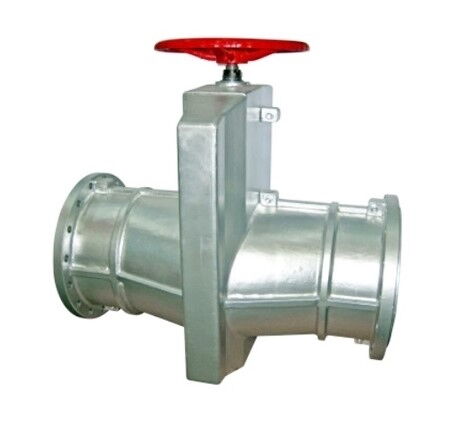
- Structural Composition: Pinch valves are mainly composed of an upper valve body, a lower valve body, a pinch valve rubber sleeve, large and small valve stems, upper and lower gate plates, and left and right guide columns. Among these components, the pinch valve rubber sleeve is the core component of the entire valve. It not only provides excellent sealing performance but also features outstanding wear resistance and pressure-bearing capability. The left and right aluminum alloy valve bodies provide solid support for the valve, ensuring stable operation under various working conditions. The large and small valve stems and the upper and lower gate plates are responsible for controlling the opening and closing actions of the valve, while the left and right guide columns ensure smooth movement of the gate plates during operation, preventing jamming.
- Working Principle: The working principle of pinch valves is relatively simple yet highly efficient. When the handwheel is rotated clockwise, the large and small valve stems simultaneously drive the upper and lower gate plates to compress the pinch valve rubber sleeve, thereby closing the valve. Conversely, when the handwheel is rotated counterclockwise, the gate plates release the compression on the rubber sleeve, and the valve opens accordingly. The gate plates reciprocate vertically between the left and right guide columns to complete the opening and closing operations of the valve. This design enables pinch valves to operate very smoothly and prevents excessive wear on the rubber sleeve during operation.
- Leak-Free Operation and Sealing Performance: The core component of a pinch valve, the pinch valve rubber sleeve, is made of high-quality rubber material and offers excellent sealing performance. When the valve is closed, the rubber sleeve is tightly compressed by the gate plates, completely blocking the flow of the medium and achieving 100% leak-free operation. This sealing method not only enhances production safety but also effectively prevents resource waste and environmental pollution caused by leakage.
- Low Maintenance Cost and Easy Maintenance: Maintenance of pinch valves is very simple. During operation, if rubber sleeve wear or medium leakage is detected, it is only necessary to disassemble the upper and lower valve bodies and replace the pinch valve rubber sleeve with a new one. The valve body itself can be reused, significantly reducing maintenance costs. In addition, due to the relatively simple structure of pinch valves, disassembly and installation are very convenient. Even without professional maintenance personnel, ordinary operators can easily complete maintenance work.
- Smooth Medium Flow and Low Friction Resistance: The internal medium flow within a pinch valve is very smooth, with minimal friction resistance. This is because the pinch valve design provides a very simple internal flow path for the medium, without complex bends or obstructions. This design not only improves medium transmission efficiency but also reduces energy loss and lowers production costs.
- Multiple Actuation Methods and Customization: Pinch valves are available with multiple actuation methods, including manual, pneumatic, and electric, to meet the needs of different users. In addition, pinch valves can be customized according to special customer requirements, such as non-standard sizes and special materials. This flexibility allows pinch valves to adapt to various complex working conditions and provide users with personalized solutions.
- Chemical Industry: In chemical production, pinch valves are widely used in pipeline systems conveying abrasive media containing particles, powders, fibers, viscous slurries, and similar substances. Their wear resistance, corrosion resistance, freeze resistance, and excellent sealing performance enable stable operation in harsh chemical environments, effectively preventing medium leakage and equipment damage.
- Pulp and Paper Industry: The pulp and paper industry needs to handle large quantities of fibers and pulp, which place extremely high demands on valve wear resistance and sealing performance. The rubber sleeves of pinch valves are made of highly elastic, wear-resistant, and fatigue-resistant rubber, enabling them to effectively meet these challenges and ensure smooth production processes.
- Food Industry: The food industry has very strict requirements for hygiene and safety. The pinch valve rubber sleeves are made of food-grade rubber materials that comply with relevant hygiene standards, ensuring food safety and cleanliness during production. In addition, the leak-free performance and low maintenance cost of pinch valves make them an ideal choice for the food industry.
- Water Treatment Industry: In water treatment processes, pinch valves are used to control water flow switching and regulation. Their low friction resistance and leak-free characteristics effectively improve water treatment efficiency and reduce water resource waste. At the same time, the corrosion resistance of pinch valves allows them to operate stably under various water quality conditions.
- Mineral Processing Industry: The mineral processing industry needs to handle large amounts of solid particles and slurry, which place extremely high demands on valve wear resistance and anti-blocking capability. The pinch valve rubber sleeve can effectively encapsulate larger solid particles, ensuring that blockage does not occur when the valve is closed, thereby improving production efficiency and equipment reliability.
When selecting pinch valves, correct selection is the key to ensuring efficient valve operation under specific working conditions. The following are several important selection considerations:
- Pipeline Size Matching: When selecting a pinch valve, ensure that its size matches the internal diameter of the pipeline. Generally, the pipeline size and the pinch valve size should be consistent to ensure smooth medium flow.
- Pressure Resistance: Select the pressure rating of the pinch valve according to the working pressure of the pipeline, ensuring the valve can withstand internal pressure and avoid damage caused by overpressure.
- Temperature Resistance: Select the temperature resistance of the pinch valve based on the pipeline’s operating temperature. The typical operating temperature range of pinch valves is –40 °C to 200 °C, but different sleeve materials may have different temperature limits and should be selected according to actual requirements.
- Medium Characteristics: Select the material of the pinch valve according to the fluid medium in the pipeline. Different media may have varying corrosive effects on valve materials, and selecting appropriate materials can extend valve service life.
- Control Method: Choose the control method of the pinch valve based on requirements, such as manual control, automatic control, or remote control. Different control methods are suitable for different application scenarios.
- Valve Type: Select the pinch valve configuration according to pipeline requirements, such as butterfly-type, ball-type, or gate-type structures. Different valve types have different advantages in various pipeline applications.
Correct installation is an important step to ensure long-term stable operation of pinch valves. The following points should be noted during installation:
- Flange Connection Tightening: During installation, the flange connections at both ends must be securely tightened to prevent tearing of the rubber sleeve flange during valve opening and closing.
- Understanding Operating Pressure: Before use, the working pressure of the pipeline must be clearly understood, and overpressure operation is strictly prohibited. Overpressure use may cause valve damage or even safety accidents.
- Handling Incomplete Closure: If incomplete closure is found during operation, it is mostly caused by hard foreign objects being trapped. Simply open the valve to allow the foreign object to pass through, then close the valve again.
- Timely Inspection and Replacement: If dripping or leakage is found, timely inspection is required. If rubber sleeve wear is confirmed, it should be replaced promptly. Regular inspection and maintenance can effectively extend valve service life and ensure stable equipment operation.
- Regular Inspection: Regularly inspect all components of the pinch valve, especially the wear condition of the rubber sleeve. If wear or leakage signs are detected, replace the sleeve promptly to avoid medium leakage and equipment damage.
- Proper Operation: During operation of the pinch valve, pay attention to the following points: when rotating the handwheel to open or close the valve, once moderate resistance is felt, the valve has reached its fully open or closed position. Do not apply excessive force, do not allow multiple people to rotate the handwheel simultaneously, and do not use other tools for opening or closing. During use, avoid applying excessive external force to the valve to prevent damage to components. Regularly lubricate the valve to ensure smooth movement of operating parts.
- Cleaning and Maintenance: Regularly clean the external and internal surfaces of the pinch valve to remove dust, dirt, and impurities. Use appropriate cleaning agents and tools to avoid damaging the valve. For areas that are difficult to clean, high-pressure water can be used, but water pressure should be controlled to avoid impact damage to the valve.
- Rubber Sleeve Replacement: When the pinch valve rubber sleeve becomes worn or leaks, it should be replaced promptly. Replacement should follow correct procedures to ensure the new sleeve is securely installed and provides good sealing performance. After replacement, a pressure test should be conducted to ensure the valve operates normally.
As an efficient and durable industrial valve, pinch valves have been widely applied across many industries due to their unique structure and excellent performance. Their leak-free operation, low maintenance cost, smooth medium flow, multiple actuation methods, and customization capabilities enable outstanding performance in chemical, pulp and paper, food, water treatment, and mineral processing industries. Proper selection, correct installation, and appropriate maintenance of pinch valves can effectively improve production efficiency, reduce operating costs, and ensure long-term stable equipment operation.
In summary, pinch valves are indispensable equipment in modern industrial production. Understanding their structure, working principle, advantages, application fields, and maintenance methods will help you better select and use pinch valves, providing reliable assurance for your industrial operations.