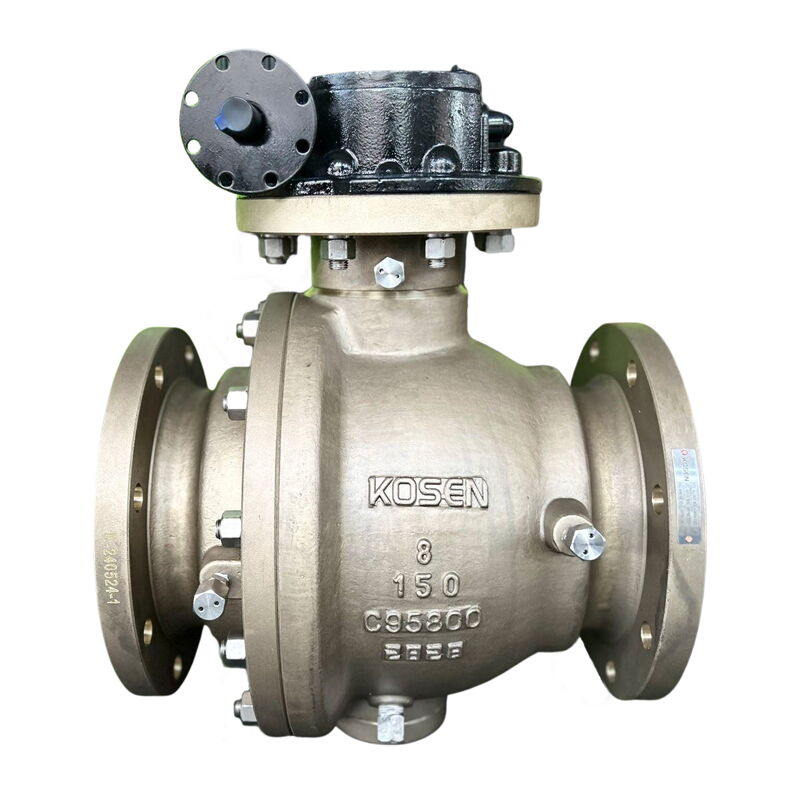
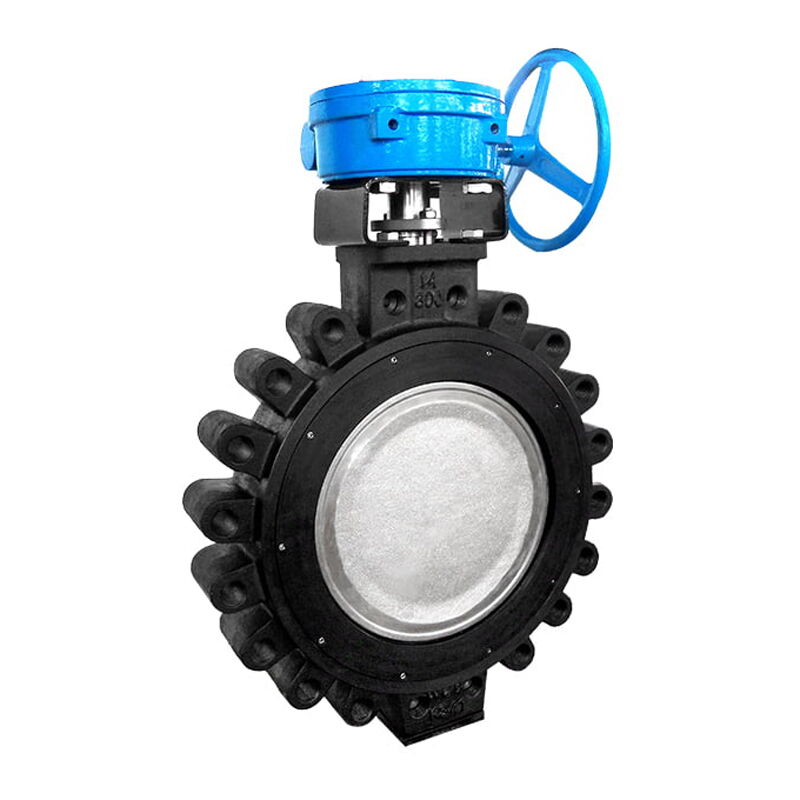
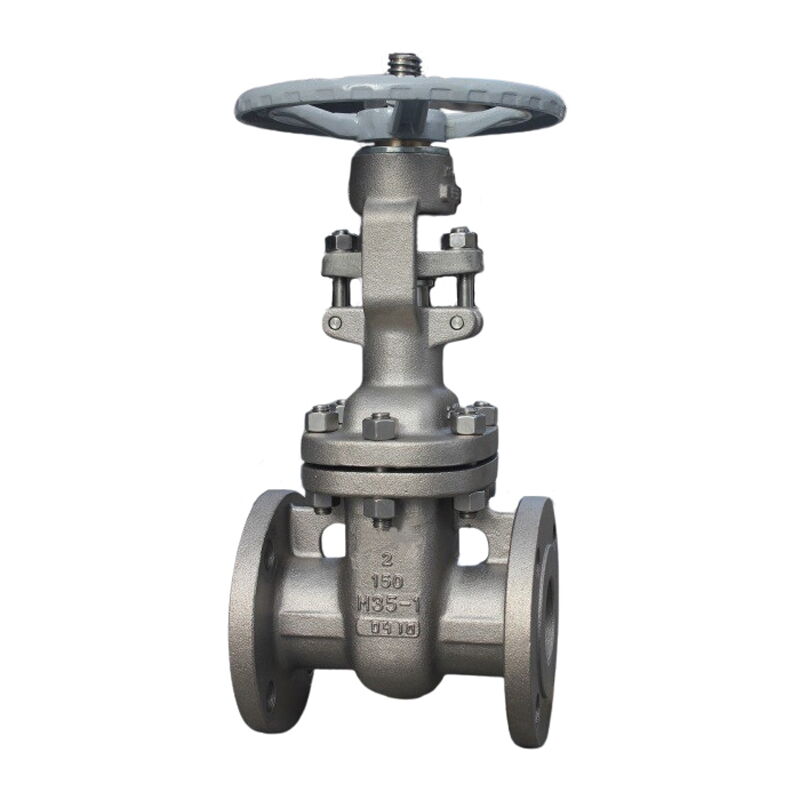
What is Dual Plate Wafer Check Valve
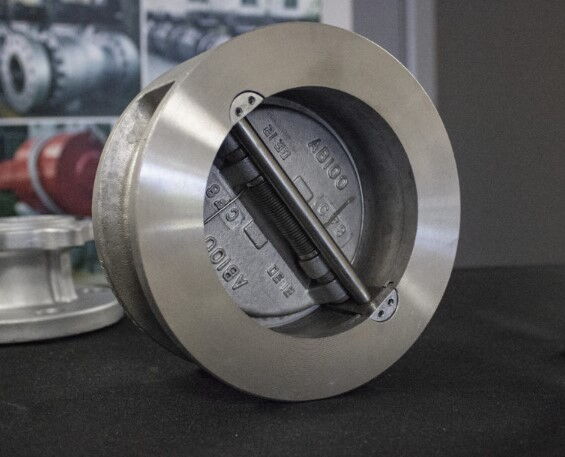
In industrial and civil piping systems, there is a valve that acts like a loyal guardian, silently protecting the one-way flow of fluids. This is the dual plate wafer check valve. Do not underestimate this modest-looking component; it plays a crucial role in preventing fluid backflow, protecting equipment, and maintaining stable system operation. Today, let us take an in-depth look at the secrets of the dual plate wafer check valve.
The dual plate wafer check valve is a valve that automatically opens and closes based on the flow of the medium itself, and its main task is to prevent reverse flow. Imagine a pipeline system where fluid flows in a predetermined direction. If backflow occurs, it may trigger a series of problems, such as equipment damage, fluid contamination, and reduced system efficiency. The dual plate wafer check valve acts like an intelligent one-way street manager: when fluid flows forward, it opens to allow smooth passage; when fluid attempts to flow backward, it quickly closes, preventing the fluid from going the wrong way.
The structure of this valve is relatively ingenious. It mainly consists of two plates fixed on the valve body, and the valve opens or closes through the rotation of the plates. During forward flow, the plates rotate upward, opening the valve; during reverse flow, the plates rotate downward under the reaction force of the fluid, closing the valve. This design allows the dual plate wafer check valve to perform excellently in high-velocity and high-pressure pipeline systems, with more thorough closure and more effective leakage prevention.
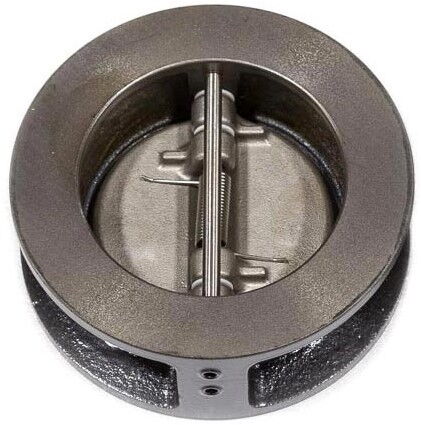
The dual plate wafer check valve belongs to the check valve family, which can be mainly divided into swing check valves, lift check valves, and dual plate wafer check valves. Each type has its unique structure and working principle, suitable for different application scenarios.
Swing check valves feature a hinge mechanism and a disc that rests freely against an inclined valve seat surface. To ensure the disc properly contacts the seat every time, it is designed on a hinge mechanism to provide sufficient swing space and allow full, complete contact with the seat. This design ensures minimal resistance when fully open, with relatively low pressure drop, making it suitable for applications requiring high flow rates.
The disc material can be selected according to performance requirements; it can be entirely metal, metal with leather or rubber inserts, or with synthetic overlays. Different materials suit different fluids and working environments; for example, discs with rubber inserts may be chosen for corrosive liquids to enhance corrosion resistance.
Lift check valves have a disc that sits on the seat sealing surface within the valve body. Besides the disc’s ability to move freely up and down, the rest of the structure is similar to a globe valve. Fluid pressure lifts the disc from the seat sealing surface, while backflow causes it to fall back, cutting off the flow. The passage of a lift check valve is relatively narrow, resulting in a higher pressure drop than a swing check valve, with more flow restrictions.
The disc structure can be adjusted based on operating conditions: it can be entirely metal, or have rubber pads or rings embedded on the disc frame. This design allows lift check valves to perform well in applications requiring tight sealing, effectively preventing fluid leakage.
The dual plate wafer check valve combines the advantages of swing and lift check valves while having its own unique features. Its two plates are arranged centrally, and symmetry determines valve operation. This symmetrical structure allows the dual plate wafer check valve to close more rapidly under high-speed or high-flow conditions without affecting pipeline system efficiency.
The advantages of the dual plate wafer check valve are more thorough closure and more noticeable leakage prevention. It is suitable for various pipeline systems, especially high-velocity and high-pressure scenarios. However, its disadvantages include a relatively complex structure, higher cost, and certain noise and vibration during reverse flow. Despite these drawbacks, its importance in many critical applications is irreplaceable.
Proper installation and maintenance are key to ensuring normal operation. Before installation, clean the pipeline and perform a comprehensive inspection of the valve to ensure it is undamaged. During installation, ensure the arrow direction matches the medium flow direction; this is the basic requirement for correct operation.
The dual plate wafer check valve can be installed horizontally or vertically, but for DN sizes greater than 400, horizontal installation is generally recommended. A filter should be installed at the valve inlet to prevent debris from entering and affecting normal operation. A butterfly or gate valve should be installed at the outlet to facilitate maintenance of the valve and other equipment. When tightening flange bolts, ensure symmetrical and even tightening to avoid valve damage due to uneven stress.
For maintenance, regularly check the valve’s sealing performance. If leakage occurs, repair or replace the seals promptly. Also, check the flexibility of the plates to ensure they can rotate freely without being stuck by debris or wear. Regularly clean debris inside the valve to maintain internal cleanliness, which effectively extends valve service life.
The versatility of the dual plate wafer check valve has led to its widespread use in many industries:
- Chemical processing systems: Maintains one-way flow, prevents cross-contamination, and ensures safe handling of corrosive chemicals.
- Power generation: Prevents backflow damage to turbines, protects against water hammer, and allows smooth electricity production.
- Oil and gas: Prevents backflow of crude oil, natural gas, and other substances, ensuring efficient processes.
- Municipal water supply: Maintains system integrity by preventing reverse flow and equipment damage.
- Wastewater treatment plants: Ensures safe operation and prevents problems caused by backflow.
- Fire protection systems: Equipment safety is critical; a properly chosen dual plate wafer check valve reduces impact and water hammer.
These valves are lightweight, finely designed, allow minimal pressure drop, and are easy to manage and install, highlighting the best characteristics of dual plate wafer check valves.
The dual plate wafer check valve offers multiple performance advantages. First, it maintains fluid velocity, with the plates opening to allow minimal flow resistance. Similarly, valve closure is smooth, minimizing pressure drop across the valve body. This design ensures lower energy consumption during operation, meeting industrial energy-saving requirements.
Second, the plates open and close rapidly, reducing water hammer risk. Water hammer is a common pipeline issue that can cause severe equipment damage or pipe rupture. One of the best features of the dual plate wafer check valve is its lower water hammer rate compared to other check valve types, effectively protecting the system.
Finally, the compact and lightweight structure makes installation and operation easy. It can be flange-mounted without extension rods, allowing easy installation in tight spaces. This design makes the valve highly adaptable to complex installation environments.
As an important type of valve, the dual plate wafer check valve plays an indispensable role in piping systems. Through clever structural design and reliable performance, it effectively prevents fluid backflow, protects equipment, and maintains system stability. It finds broad applications in chemical, power, oil and gas, municipal water, wastewater treatment, and fire protection industries.
Correct installation and maintenance are key to long-term stable operation. With the development of material science and intelligent technology, the performance and application range of dual plate wafer check valves will continue to expand. In the future, we have every reason to believe that dual plate wafer check valves will demonstrate their unique advantages in more fields, providing more reliable protection for industrial production and daily life.
If you are looking for a reliable check valve to protect your piping system, the dual plate wafer check valve is definitely worth considering. Its high performance, versatility, and ease of maintenance will bring safety and efficiency to your system.