A Complete Guide to Diaphragm Valve Maintenance
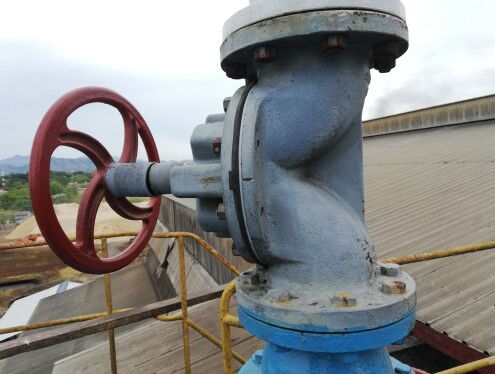
In industrial production systems, diaphragm valves are widely recognized as critical control components and are extensively used for the transportation and regulation of various fluid media. Thanks to their unique structural design, diaphragm valves offer excellent sealing performance, reliable isolation between the operating mechanism and the process medium, and strong adaptability to corrosive, abrasive, or high-purity applications. As a result, they are commonly applied in industries such as chemical processing, water treatment, pharmaceuticals, food and beverage, mining, and power generation.
However, due to complex operating environments, diverse media characteristics, and long-term continuous operation, diaphragm valves are inevitably affected by multiple factors during service. These factors may include medium corrosion, solid particle erosion, temperature fluctuations, mechanical wear, and improper operation. Over time, such influences can lead to performance degradation, sealing failure, or even complete valve damage. Therefore, regular and systematic maintenance of diaphragm valves is not only essential for extending their service life but also crucial for ensuring safe, stable, and efficient operation of the entire pipeline system.
This article provides a comprehensive and practical guide to diaphragm valve maintenance and care. By detailing routine cleaning procedures, inspection of diaphragm wear, lubrication of moving parts, fastening checks, environmental considerations, and common fault analysis with corresponding solutions, this guide aims to help users better manage diaphragm valves, reduce unexpected failures, and optimize overall system reliability.
During long-term operation, diaphragm valves are continuously exposed to process media. Depending on the nature of the medium, contamination, scaling, sediment, or chemical deposits may accumulate on the valve body and diaphragm surface. These deposits can adversely affect sealing performance, restrict valve movement, and reduce operational flexibility. Therefore, regular cleaning is a fundamental and indispensable part of diaphragm valve maintenance.
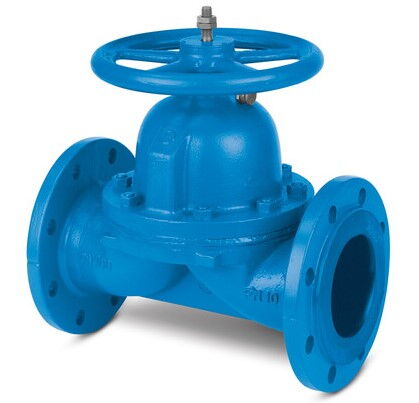
- Valve Shutdown and Disassembly: Before cleaning a diaphragm valve, ensure that the valve is fully closed and isolated from the pipeline system. The valve should then be carefully removed from the pipeline. This step is essential to prevent medium leakage, protect personnel safety, and facilitate thorough cleaning.
- Cleaning with Appropriate Detergents: Select a cleaning agent compatible with the valve material and the process medium. Immerse the valve body and diaphragm in the cleaning solution for an appropriate period. Use a soft brush to gently clean the surfaces of the valve body and diaphragm, removing dirt, residue, and impurities. It is critical to avoid using hard brushes, metal tools, or abrasive materials, as these may scratch or damage the diaphragm surface, compromising its sealing capability.
- Rinsing and Drying: After cleaning, thoroughly rinse all components with clean water to remove any remaining detergent and loosened contaminants. Once rinsed, place the valve components in a well-ventilated area and allow them to dry naturally. Ensure that all parts are completely dry before reassembly, as residual moisture may cause corrosion or material degradation over time.
The frequency of cleaning should be determined based on actual operating conditions and the properties of the conveyed medium. In general:
For diaphragm valves handling clean, non-corrosive media, cleaning once every six months is typically sufficient.
For valves used in applications involving corrosive fluids, high-viscosity media, or fluids containing solid particles, cleaning should be performed more frequently, such as once every three months.
The diaphragm is the core component of a diaphragm valve. Its integrity directly determines the valve's sealing performance, operating efficiency, and overall reliability. Consequently, regular inspection of diaphragm condition is of paramount importance.
Visual Inspection of the Diaphragm Surface: Carefully examine the diaphragm for cracks, deformation, blistering, hardening, or excessive wear. Even minor cracks can propagate under pressure and eventually lead to leakage or sudden failure. If any abnormality is detected, the diaphragm should be replaced immediately.
Sealing Performance Inspection: Check the sealing condition between the diaphragm and the valve body. A practical method is to apply a thin layer of sealing compound at the contact area and perform a pressure test. If leakage is observed, corrective actions such as adjusting the installation or replacing sealing gaskets should be taken promptly.
Once a diaphragm is found to be damaged or aged, it must be replaced without delay. When replacing the diaphragm:
Select a high-quality diaphragm that matches the original valve specifications and is compatible with the operating medium and temperature.
Follow the manufacturer's installation instructions carefully to ensure correct positioning, uniform compression, and optimal sealing performance.
Although diaphragm valves are designed to isolate the operating mechanism from the process medium, certain components—such as the valve stem, bonnet, and actuating mechanism—still require smooth and reliable movement. Proper lubrication reduces friction, minimizes wear, and ensures consistent operation.
- Selection of Suitable Lubricants: Choose lubricants based on valve materials and operating conditions. For example: Rubber diaphragm valves may use graphite powder or molybdenum disulfide (MoS₂) dry lubricants. PTFE or fluoropolymer diaphragm valves can benefit from a small amount of compatible grease applied to moving parts.
- Regular Lubrication Schedule: Inspect lubrication conditions periodically. If lubricant appears insufficient, dried, or contaminated, reapply an appropriate amount promptly. As a general guideline, lubrication maintenance is recommended once every quarter to ensure optimal performance of moving components.
Fasteners such as bolts and nuts play a critical role in maintaining the structural integrity and sealing performance of diaphragm valves. During operation, vibration, pressure fluctuations, and temperature changes may cause fasteners to loosen over time.
- Checking Bolts and Nuts: Use appropriate tools to check each bolt and nut on the valve. Ensure that all fasteners are properly tightened. If looseness is detected, retighten according to the specified torque values to avoid over-tightening or insufficient tightening.
- Checking Valve-to-Pipeline Connections: Inspect the connections between the valve body and the pipeline. Ensure that flange connections or threaded joints are secure and free from leakage. If leakage is found, replace sealing gaskets or retighten bolts as necessary.
The operating environment has a significant impact on the service life and performance of diaphragm valves. Factors such as temperature, humidity, and surrounding media conditions must be carefully controlled.
- Temperature Control: The operating temperature of diaphragm valves must remain within their design limits: Rubber diaphragm valves typically operate between -10°C and 60°C. Fluoropolymer diaphragm valves generally operate between -20°C and 150°C. Exceeding these ranges may cause diaphragm aging, deformation, or failure. Avoid exposing diaphragm valves to extreme temperatures whenever possible.
- Humidity Control: Diaphragm valves should be stored in dry, well-ventilated indoor environments to prevent corrosion. If operation in humid environments is unavoidable, protective measures such as anti-corrosion coatings or waterproof sealants should be applied.
- Handling Corrosive Media: For corrosive applications, select diaphragm materials with excellent chemical resistance, such as PTFE or other fluoropolymers. Regularly inspect the diaphragm for signs of corrosion and replace it as needed.
- Preventing Medium Contamination: Ensure that the conveyed medium is clean and free of excessive impurities. If the medium contains solid particles, install filters upstream of the valve to prevent internal damage.
During the operation of diaphragm valves, several common faults may occur, such as diaphragm rupture, operational failure, stiff handwheel operation, inability to open or close automatically, and leakage at the joint between the valve body and the bonnet. Understanding the causes of these problems and the corresponding corrective measures can help operators quickly eliminate faults and restore normal valve operation.
- Causes: Diaphragm rupture may result from several factors. Over time, rubber or fluoroplastic diaphragms gradually age, losing their original elasticity and mechanical strength. Excessive operating force or pressure applied during operation may directly damage the diaphragm. Foreign objects trapped between the diaphragm and the valve seat during operation can compress or abrade the diaphragm. In addition, excessive valve opening height may overstretch the diaphragm, causing it to tear.
- Solutions: To prevent diaphragm rupture, diaphragms should be replaced periodically. A reasonable replacement interval should be established based on actual operating frequency and service conditions. During operation, the applied force must be strictly controlled to avoid excessive loading, and attention should be paid to valve closing indicators. If foreign objects are suspected to be lodged between the diaphragm and the valve seat, the valve should be opened and closed repeatedly to allow the fluid flow to flush out the debris before fully closing the valve. If the diaphragm is already damaged, it must be replaced promptly.
- Causes: Operational failure may be caused by improper operation leading to detachment of the connection between the diaphragm and the valve disc. The connecting pin between the valve stem and the valve disc may loosen, wear, or break after long-term use. In addition, prolonged operation may cause wear or seizure at the connection between the moving stem nut, the bonnet, and the valve stem.
- Solutions: To avoid operational failure, the valve should not be opened excessively, as this may overstretch the connection between the diaphragm and the valve disc. If detachment between the diaphragm and the valve disc is detected, timely repair or diaphragm replacement is required. The valve must not be opened beyond the upper dead point to prevent excessive stress on the connecting pin. If the connecting pin has fallen off or fractured, it should be repaired immediately and damaged components should be replaced. Moving parts should be cleaned regularly and lubricated with graphite, molybdenum disulfide powder, or suitable grease to reduce wear and the risk of seizure.
- Causes: Stiff or difficult handwheel operation is typically caused by bending of the valve stem, which restricts smooth rotation. Thread damage can also increase friction, resulting in poor operability.
- Solutions: If the valve stem is bent, it should be replaced with a high-quality stem that matches the original valve specifications. In the case of thread damage, the threads should be repaired and lubricated to reduce friction and improve operational smoothness. Professional tools should be used during thread repair to ensure proper restoration quality.
- Causes: Failure of automatic opening or closing may be due to insufficient air supply pressure, preventing proper actuation of the diaphragm valve. Excessive spring preload can also hinder automatic operation. Additionally, damage to the rubber diaphragm may render the valve unable to open or close automatically.
- Solutions: If the air supply pressure is too low, it should be increased to meet the valve's operating requirements. The air supply system should also be inspected regularly to ensure stable and reliable pressure. If the spring preload is excessive, it should be reduced by adjusting the spring compression to an appropriate range. If the rubber diaphragm is damaged, it must be replaced with a high-quality diaphragm compatible with the original valve.
- Causes: Leakage at the connection between the valve body and the bonnet may occur due to loose connecting bolts, which compromise sealing integrity. Cracking or failure of the internal rubber lining within the valve body can also lead to leakage at this joint.
- Solutions: If the connecting bolts are loose, they should be tightened to restore proper sealing. Tightening must be performed in accordance with specified torque requirements to avoid over-tightening or insufficient tightening. If the internal rubber lining of the valve body is cracked or damaged, the valve body should be replaced with a high-quality unit matching the original valve specifications.
In summary, diaphragm valve maintenance is a systematic and continuous process that spans daily operation, periodic inspection, and fault handling. By implementing regular cleaning, closely monitoring diaphragm wear, properly lubricating moving components, promptly tightening fasteners, and strictly controlling operating environments and media conditions, the likelihood of failures can be significantly reduced. These measures help maintain excellent sealing performance and reliable operation of diaphragm valves.
Moreover, familiarity with common failure modes and their solutions enables timely intervention at an early stage, preventing minor issues from escalating into major shutdowns. Only by combining standardized operation with scientific maintenance practices can the service life of diaphragm valves be maximized and the long-term, safe, and stable operation of pipeline systems be ensured.