An Introduction to Metal-Seated Butterfly Valves
In modern industrial production, the importance of fluid control equipment is self-evident. Among the many available solutions, metal-seated butterfly valves stand out for their unique advantages and play a critical role across a wide range of industries. This article provides an in-depth overview of the structural characteristics, performance advantages, application fields, installation considerations, and maintenance practices of metal-seated butterfly valves, helping readers gain a comprehensive understanding of this efficient and reliable industrial valve.
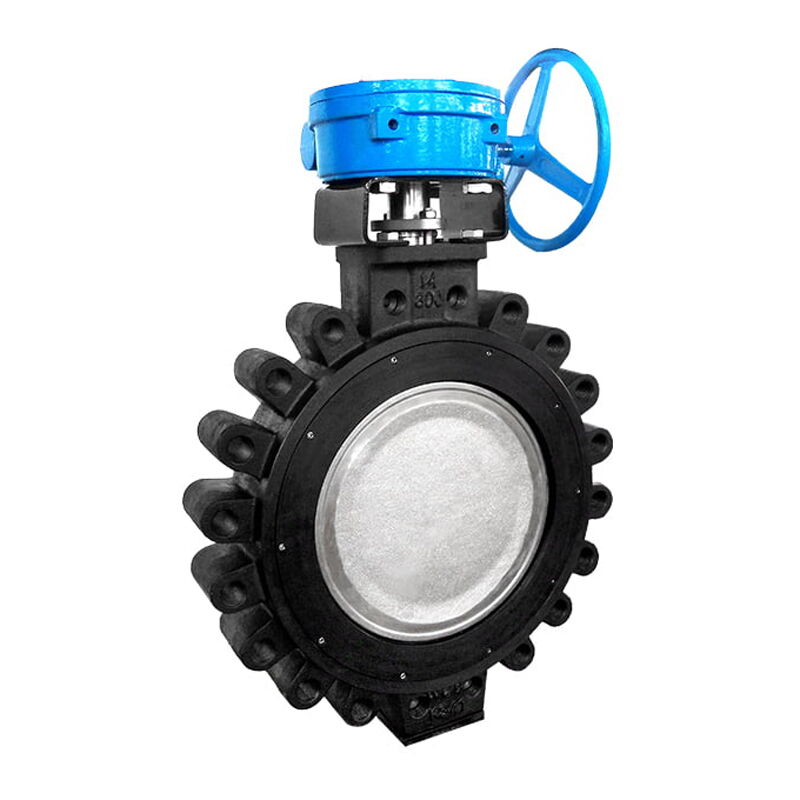
Metal-seated butterfly valves adopt a three-dimensional eccentric (triple-offset) structure, a design that minimizes friction between the valve seat and the disc during operation. This configuration enables tighter sealing performance while significantly reducing wear.
The disc sealing element consists of a laminated metal seal combining soft and hard layers, integrating the rigidity of metal sealing with the elasticity of resilient materials. As a result, excellent sealing performance is maintained under both low- and high-temperature conditions.
The sealing surface of the valve body is typically overlay-welded with stainless steel or cobalt-based hard alloys, which greatly enhances wear resistance and significantly extends service life. The flange and sealing design is also distinctive: there is no sliding friction between the disc and the sealing ring, resulting in superior wear resistance, long service life, reliable sealing performance, and convenient adjustment.
In addition, metal-seated butterfly valves feature a compact and innovative structural design, characterized by small overall dimensions and low weight. The disc adopts a double-eccentric configuration, allowing fast opening and closing, smooth operation, and reduced operating torque. These features make installation and operation more convenient and efficient.
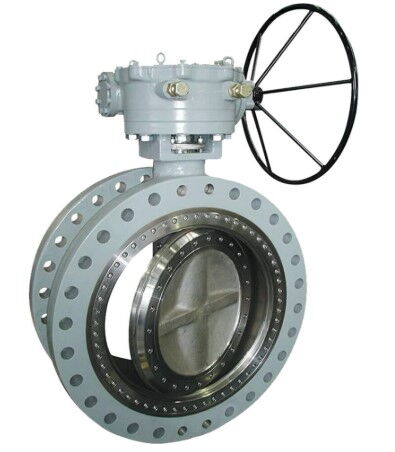
Thanks to their advanced structural design, metal-seated butterfly valves offer several outstanding performance advantages, making them a preferred choice among industrial fluid control devices.
Sealing performance is one of the most prominent advantages of metal-seated butterfly valves. The triple-offset design eliminates friction between sealing surfaces during operation, effectively preventing wear commonly found in traditional valves. This not only extends service life but also enables zero-leakage sealing performance.
Whether under forward or reverse flow conditions, metal-seated butterfly valves maintain stable sealing. As medium pressure increases, the sealing surfaces are pressed more tightly together, further enhancing sealing reliability.
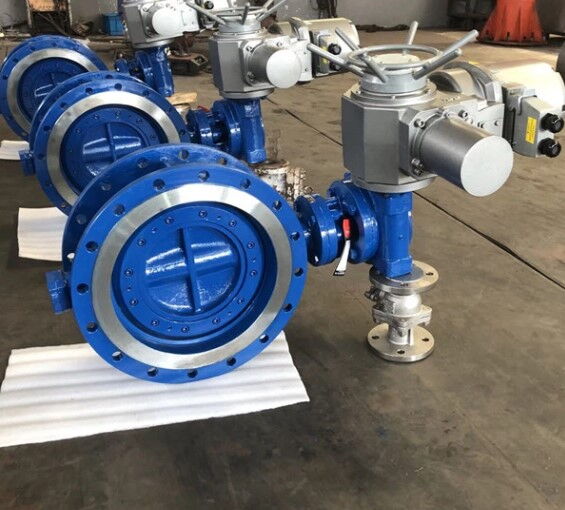
Metal-seated butterfly valves are easy and flexible to operate. Opening and closing can be accomplished effortlessly via a handwheel, electric actuator, or other drive mechanisms. The double-eccentric disc design reduces operating resistance, allowing smooth operation without the need for levers or additional tools.
Moreover, these valves can be equipped with pneumatic or electric actuators to meet requirements for remote control or automated operation, significantly improving operational convenience and system automation.
Metal-seated butterfly valves are suitable for a wide variety of media and operating conditions. Their sealing components are made from metal or other hard materials, such as stainless steel combined with hard alloys, enabling them to withstand high temperatures, high pressures, and corrosive media.
As a result, they are widely used in pipelines handling chemicals, environmental protection processes, gas, oil products, steam, water, and corrosive fluids. In addition, their structural principle makes them especially suitable for large-diameter valves, meeting diverse pipeline connection requirements.
The long service life of metal-seated butterfly valves is primarily attributed to their wear resistance, high-temperature resistance, and high-pressure capability. The use of overlay-welded stainless steel and cobalt-based hard alloys provides excellent resistance to abrasion and corrosion, effectively withstanding erosion by flowing media.
Furthermore, the friction-free sealing mechanism significantly reduces mechanical wear, further extending the valve's operational lifespan.
With their outstanding performance and broad adaptability, metal-seated butterfly valves play an indispensable role in numerous industrial sectors. From chemical processing to oil and gas, power generation, metallurgy, and papermaking, these valves provide efficient and reliable fluid control solutions in complex operating environments.
Chemical processes impose extremely high requirements on fluid control equipment. Metal-seated butterfly valves, with their excellent sealing performance and corrosion resistance, can effectively control the flow of liquids and gases, ensuring stable and safe production.
They are well suited for handling acidic and alkaline solutions, organic solvents, and other corrosive media, making them essential components in chemical processing systems.
The oil and gas sector demands equipment that meets stringent quality and safety standards. Metal-seated butterfly valves can withstand high pressure and high temperature while delivering reliable sealing and stable operation.
They are widely used in pipelines, storage tanks, and processing facilities, providing robust support for the transportation and processing of oil and natural gas.
In the power industry, metal-seated butterfly valves are primarily used to regulate the flow of cooling water, steam, and other media. Their stable and reliable performance ensures the normal operation of power generation equipment, improves energy efficiency, and reduces operating costs.
Their resistance to high temperature and pressure allows them to perform reliably under the demanding conditions typical of power plants.
Metallurgical production involves extensive control of gas and liquid flows. Metal-seated butterfly valves play a vital role in processes such as ironmaking and steelmaking, effectively regulating media flow to ensure smooth and continuous production.
Their wear-resistant and corrosion-resistant properties allow long-term stable operation in harsh environments, reducing maintenance costs and improving overall production efficiency.
The papermaking industry requires precise control over pulp transportation and mixing. Metal-seated butterfly valves meet these requirements by ensuring smooth pulp flow and uniform mixing.
Their reliable sealing performance prevents leakage, reduces material waste, and contributes to improved product quality and higher production efficiency.
Proper maintenance is essential to ensure long-term stable operation of metal-seated butterfly valves. Key maintenance practices include:
- Routine Inspection and Cleaning: Regularly inspect the external condition of the valve to ensure cleanliness and the absence of debris. Transmission threads should be lubricated periodically to reduce wear and extend service life. Any accumulated dirt or foreign matter should be removed promptly to avoid affecting valve operation.
- Bolt Tightening and Adjustment: Bolts on the packing gland of stainless steel flanged valves should be tightened evenly to prevent crushing the packing material, which could impede stem movement or cause leakage. Proper tightening sequence and torque should be followed to ensure sealing integrity and operational stability.
- Fault Diagnosis and Handling: If a malfunction occurs, the valve should be taken out of service immediately and the cause identified. Common issues include sealing surface leakage and stem sticking. Sealing leakage is often caused by worn or damaged sealing components and requires timely replacement. Stem sticking is usually due to insufficient lubrication or debris buildup and can be resolved by cleaning and re-lubrication.
- Long-Term Storage and Preservation: Valves intended for long-term storage should be inspected periodically to ensure they remain in good condition. They should be kept clean and dry, protected from moisture and corrosive environments. For valves equipped with bypass lines, the bypass valve should be opened before startup to ensure smooth operation.
Correct installation is critical to ensuring proper valve performance.
- Installation Position and Flow Direction: Metal-seated butterfly valves can generally be installed at any position in the pipeline, provided operation and maintenance access is convenient. Ensure that the valve's rated pressure and nominal diameter meet application requirements, and pay attention to media flow direction where applicable.
- Connection Method and Foundation Support: Installation should strictly follow the manufacturer's instructions. For large or heavy valves, a solid foundation or support should be provided to ensure stability and safety. The disc is installed along the pipeline diameter and rotates around the shaft within the cylindrical passage of the valve body. A rotation angle from 0° to 90° corresponds to fully closed to fully open positions.
- Operation Mode and Flow Control: Metal-seated butterfly valves can be operated manually, electrically, pneumatically, or via chain drive, with position locking available at any angle within the 90° range. When used for flow regulation, correct selection of valve size and type is essential. The valve's structural design makes it particularly suitable for large-diameter flow control applications, meeting diverse operational demands.
As an efficient and reliable fluid control solution, metal-seated butterfly valves play a vital role in modern industrial production. Their unique structural design, outstanding sealing performance, and wide range of applications make them indispensable across numerous industries.
With proper installation, operation, and maintenance, metal-seated butterfly valves can deliver long-term stable performance, providing strong support for industrial productivity and development. As technology continues to advance, their performance and application scope will further expand, contributing to the progress of industrial automation and intelligent manufacturing.
In summary, metal-seated butterfly valves are essential components in industrial fluid control systems. Their excellent performance and broad applicability provide reliable solutions for industries such as chemical processing, oil and gas, power generation, metallurgy, and papermaking. Whether in high-temperature, high-pressure environments or in corrosive service conditions, metal-seated butterfly valves consistently ensure safe, stable, and efficient operation.