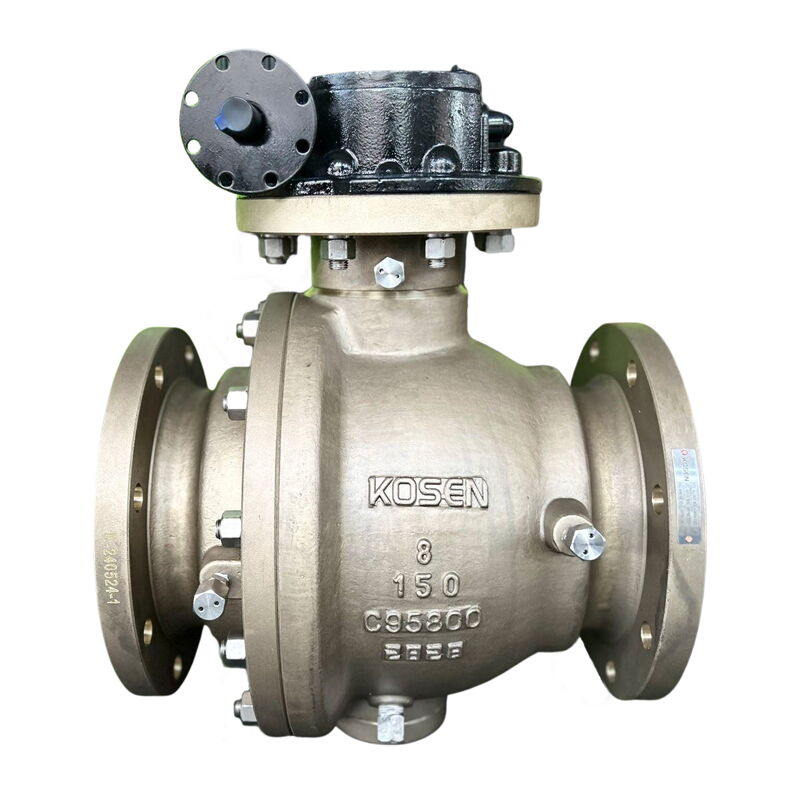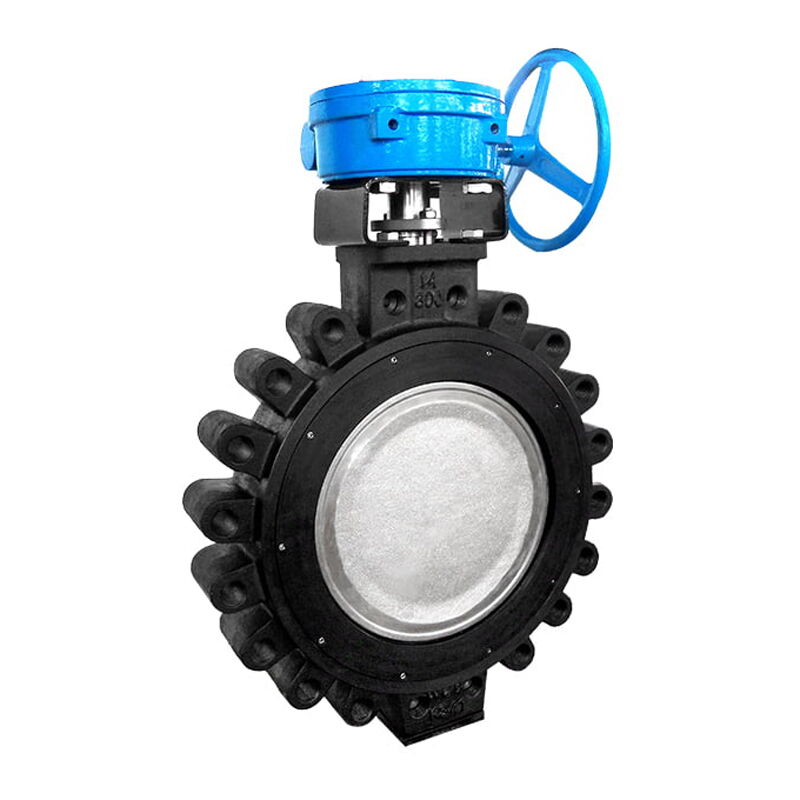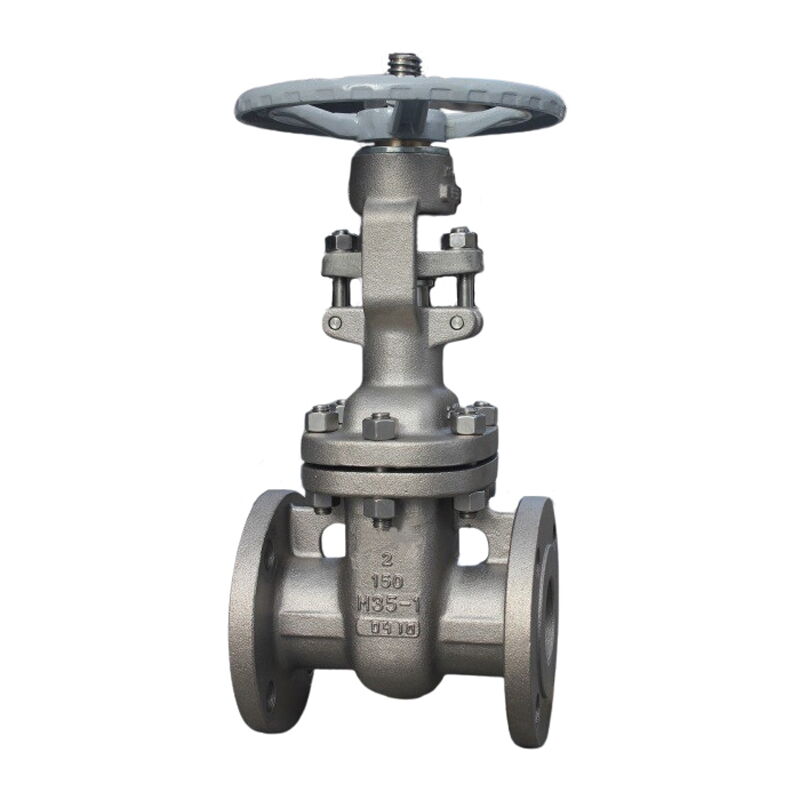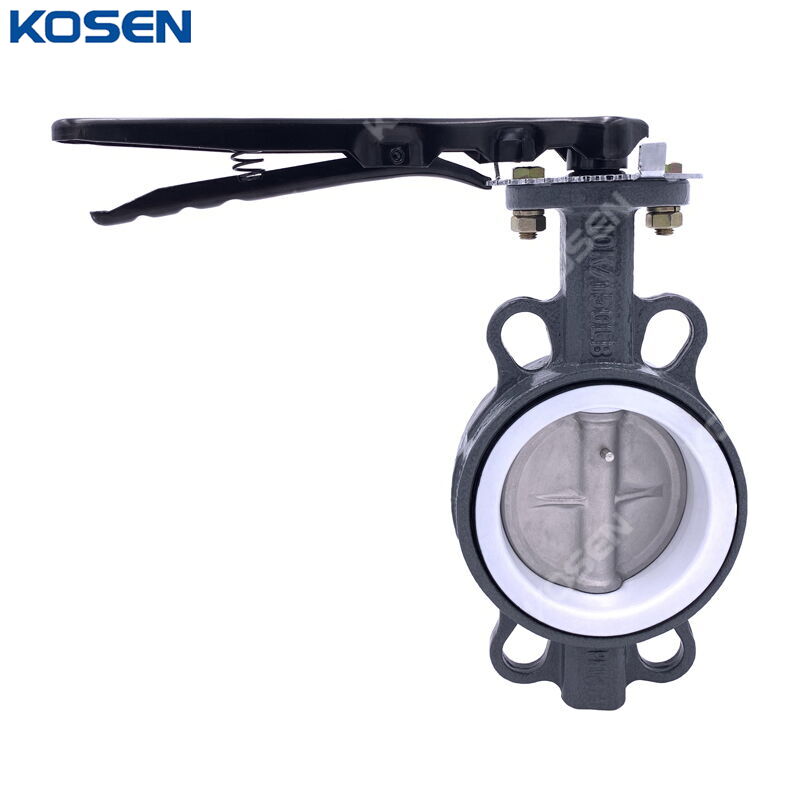
Key Specifications / Features
- Model No.: KV-20250124-CBV-02
- Hits: 74
- Categories: Centerline Type Butterfly Valve
- Tags: API 609 Butterfly Valve , Concentric Butterfly Valve , ASTM A216 WCB Butterfly Valve
Detail Information
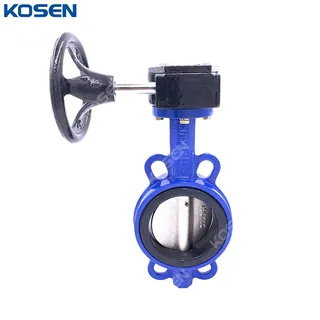
Product Name: Concentric Butterfly Valve, PTFE Seal
Design Standard: API 609
Body Material: ASTM A216 WCB
Size: 4 Inch, DN100
Pressure: Class 150 LB, PN20
End Connection: Wafer
Operation: Lever
Wafer Concentric Butterfly Valves are designed to maintain a seal against bi-directional pressure differentials to prevent backflow in systems designed for unidirectional flow. This is achieved through a tightly fitting seal, gasket, O-ring, precision machining, and a flat valve face on both the upstream and downstream sides of the valve. The valves have threaded inserts on both sides of the valve body, allowing them to be installed into a system using two sets of bolts and no nuts. The valve is installed between two flanges using a separate set of bolts for each flange. This setup permits either side of the piping system to be disconnected without disturbing the other side.
Technical Specification
» Normal Size Range: 2-24 Inch (DN50-DN600)
» Normal Pressure Rating: Class 150 LB, PN10, PN16
» Material: GG25, GGG40, ASTM A216 WCB, A351 CF8, CF8M, CF3, CF3M
» Optional Seatings: PTFE
» Operation: Handle, Handwheel, Pneumatic, Electric
» Temperature Range: -29°C to 120°C
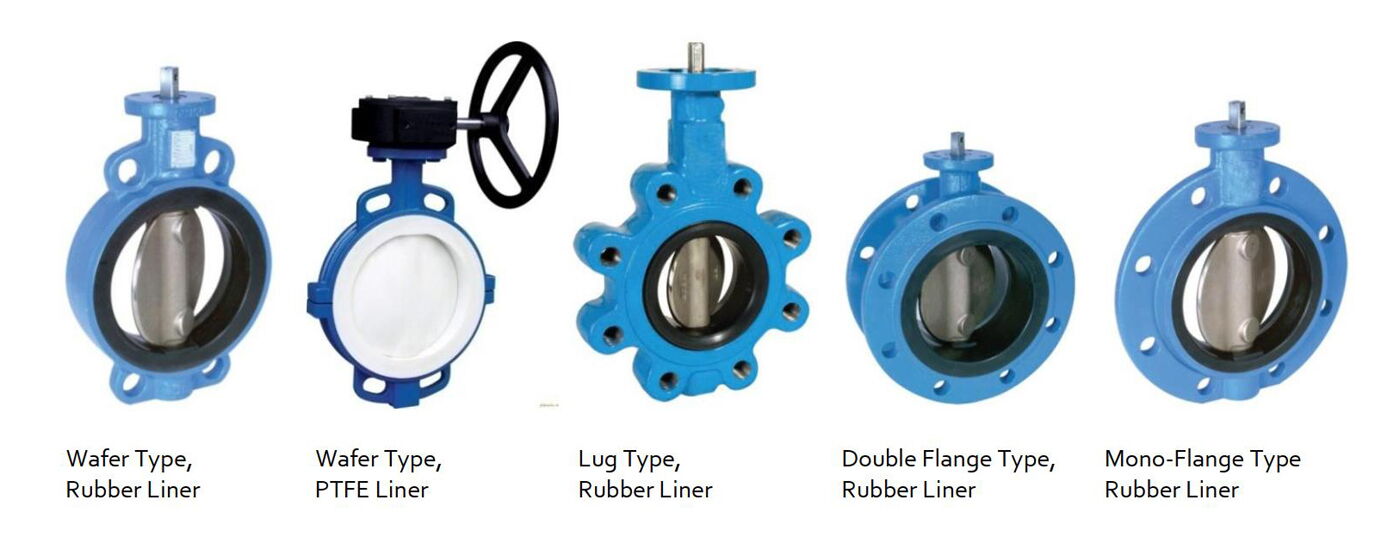
» Ends Connections: Wafer, Lug, RF Flange
» Design and Manufacture: GB/T 12228, API 609
» Face to Face (End to End): GB/T 12221
» Flanged Connection: ANSI B16.5, GB/T 9113
» Test and Inspection: API 598, GB/T 13927
Concentric Lining Butterfly Valve
Concentric Lining butterfly valve adopts lining on all the parts that contact with medium inside of body, the stainless steel which is resistance of corrosion is used as stem and disc to ensure the corrosion resistance of different strong corrosive medium. The valve body and disc materials can be made of cast iron, carbon steel or stainless steel to ensure the bearing strength. Many kinds of soft sealing material such as NBR, EPDM or PTFE etc can be used as lining material to adapt to different corrosive medium or working temperature.
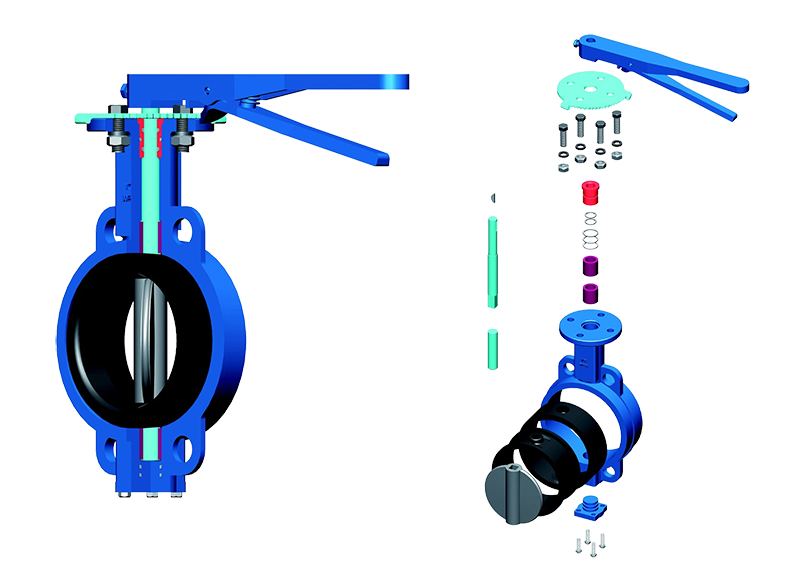
Structural Features
- The indicator plate has multiple opening angles ranging to 90 degrees, which is convenient to locate the gate.
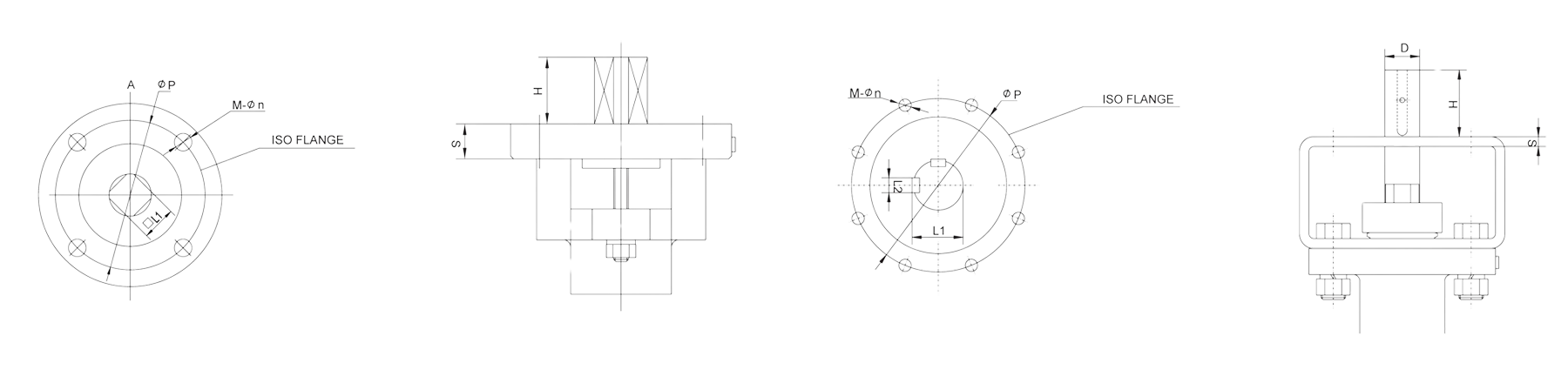
- Top flange as per ISO 5211 to allow for the easy installation of gear box and actuators.
- O-rings provide positive stem sealing performance.
- Note: Alternative packing solutions available.
- Dual stem design reduces valve operating torque.
- Upper and lower bearings minimize operating torque.
- The semi-circular butterfly plate design reduces operating torque and promotes extended service life.The seal ring is supported to achieve disassembly and prevent leakage of the seal ring.
- The seal ring extends to the end of the body and is installed without additional gaskets.
ISO 5211 Top Mounting
Different End Connections Available:
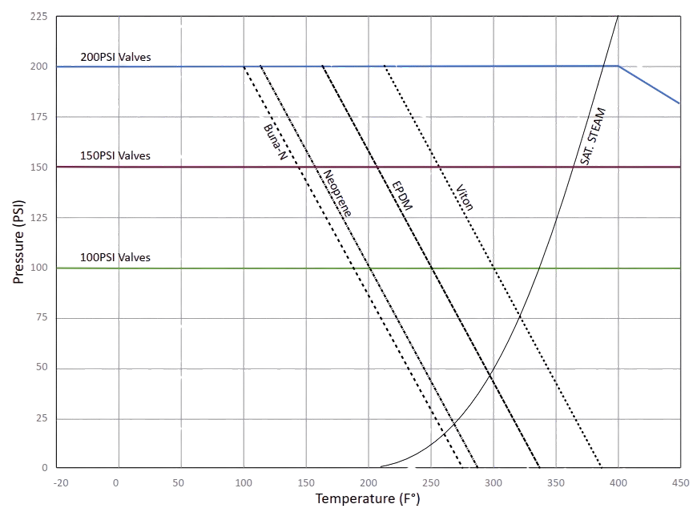
Pressure/Temperature Ratings Chart:
Similar Products
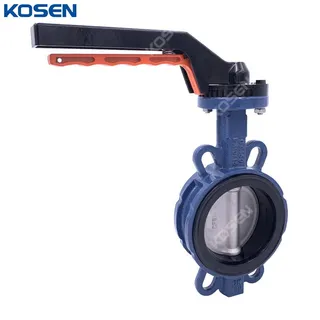
QT450 Concentric Butterfly Valve, API 609, 4 Inch, 150 LB
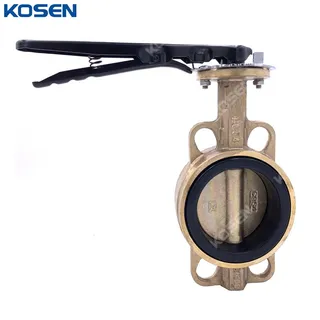
ASTM B148 C95400 Concentric Butterfly Valve, API 609, 4 Inch
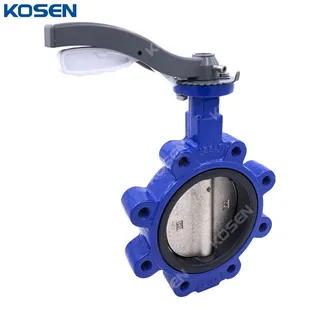
Lug Concentric Butterfly Valve, API 609, GGG40, 4 IN, 150 LB