Soft-Seated Butterfly Valves: Key Uses and Benefits
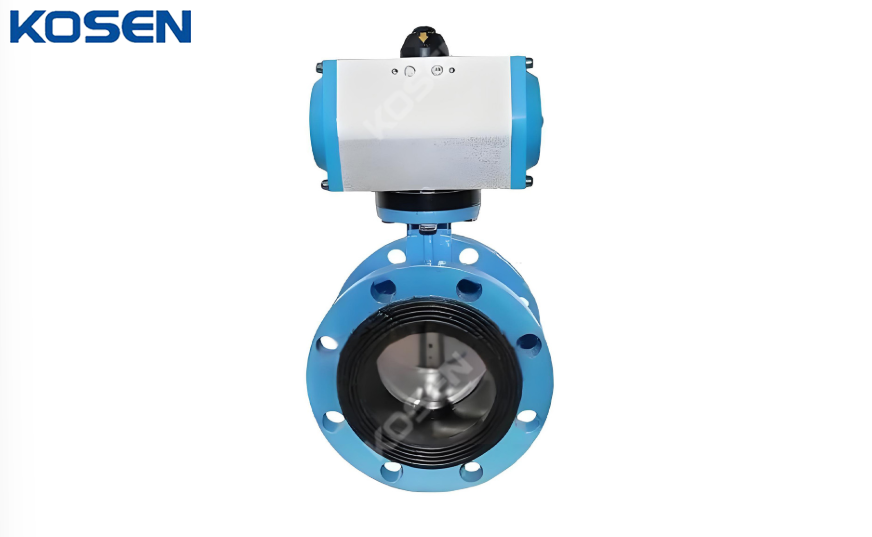
Soft-seated butterfly valves are widely used in industrial piping systems because of their compact design, low operating torque, reliable sealing performance, and cost-effective operation. They are suitable for a variety of applications, including chemical processing, petrochemical plants, municipal water supply, wastewater treatment, renewable energy systems, and power generation. Available in different body materials, seat compounds, sizes, and pressure ratings, these valves can be configured to handle diverse operating conditions. Common seat materials include EPDM, NBR, FKM, and PTFE, each offering specific advantages in chemical resistance, temperature tolerance, and sealing performance. Proper valve selection, installation, and maintenance help ensure long-term reliability.
In industrial fluid control systems, valves play a critical role in maintaining pipeline safety, regulating flow, and ensuring reliable process operation. Among the many valve types available, soft-seated butterfly valves have become a popular choice for low- and medium-pressure applications because of their compact structure, relatively low operating torque, reliable shutoff performance, and cost-effectiveness. These advantages are particularly evident in large-diameter pipelines, where the weight, installation requirements, and purchase cost of alternative valve designs can become significant.
A soft-seated butterfly valve uses a flexible sealing element, typically made from an elastomer or another suitable polymer, to create a tight seal against the rotating disc. When the valve is closed, the sealing interface is designed to restrict fluid passage and provide reliable isolation under specified operating conditions. Compared with many gate, globe, and ball valve designs of similar size, butterfly valves generally require less installation space and can offer an economical solution for water distribution, wastewater treatment, industrial utilities, and other fluid-handling systems.
However, soft-seated butterfly valves are not suitable for every application. Their performance depends on the pressure and temperature range, process medium, seal material, disc design, flow velocity, and required leakage performance. Understanding these factors helps manufacturers, procurement specialists, engineers, and maintenance teams select the appropriate valve configuration for safe and efficient operation.
A soft-seated butterfly valve is a quarter-turn valve that controls fluid flow through the rotation of a disc positioned inside the valve body. In most conventional designs, rotating the stem approximately 90 degrees moves the disc between the open and closed positions. When fully open, the disc is aligned approximately parallel to the flow direction; when closed, it lies across the flow passage and engages the seat to restrict fluid flow.
The principal components typically include the valve body, disc, stem or shaft, seat, bearings, and operating mechanism. Depending on the design, the valve may use a resilient seat fitted into the body or another arrangement that provides the required sealing contact. The actuator can be a manual lever, gearbox, pneumatic actuator, or electric actuator, depending on valve size, operating torque, automation requirements, and the frequency of operation.
Each component contributes to overall performance. The body provides the structural enclosure and connects the valve to the pipeline, while the disc controls the flow passage. The seat creates the primary sealing interface, and the stem transmits operating torque from the actuator to the disc. Correct material selection and dimensional control are essential to ensure that these components work together throughout the specified service life.
The defining characteristic of a soft-seated butterfly valve is its flexible sealing element. Common seat materials include EPDM, NBR, FKM, and PTFE-based materials, although their availability and suitability vary by valve design. These materials can conform to the mating surface and accommodate small surface irregularities, helping the valve achieve low leakage when the sealing surfaces and operating conditions are appropriate.
Soft seats are particularly useful where reliable shutoff is required without the metal-to-metal contact associated with many hard-seated designs. In suitable applications, a resilient seat can provide tight closure while reducing the need for extremely high seating forces. This contributes to the relatively low operating torque commonly associated with resilient-seated butterfly valves.
Nevertheless, soft seats are not universally interchangeable. EPDM, for example, is often suitable for water and certain aqueous services but may be unsuitable for many hydrocarbon oils. NBR is commonly used in oil-related applications, while FKM may be selected for particular oils, fuels, and chemicals within its specified limits. PTFE offers broad chemical resistance but has different mechanical and sealing characteristics from elastomers.
The correct seat must therefore be selected using the actual process medium, concentration, temperature, pressure, cleaning chemicals, and operating conditions rather than relying on the generic label "chemical-resistant" or "high-temperature."
Butterfly valves are available in several configurations to accommodate different installation requirements and performance expectations.
- Concentric butterfly valves: The stem and disc are arranged around a common centerline, and the resilient seat deforms as the disc closes. This is a widely used design for general-purpose water and utility applications.
- Double-offset butterfly valves: The stem is offset from the disc centerline and the sealing geometry, reducing rubbing between the disc and seat during operation. This arrangement can improve operating characteristics and seat life in suitable applications.
- Triple-offset butterfly valves: Additional geometric offsets create a cam-like seating action and are commonly associated with metal-seated designs. They are not generally classified as conventional soft-seated butterfly valves, although special configurations may use polymer sealing elements.
For many municipal and industrial utility systems, concentric resilient-seated designs provide an effective balance of simplicity, sealing performance, and cost. Double-offset designs may be appropriate where reduced seat friction, higher operating demands, or specific pressure and temperature requirements justify the additional complexity.
One of the main advantages of a soft-seated butterfly valve is its ability to provide tight shutoff when correctly designed, installed, and operated within its rated conditions. The flexible seat creates sealing contact with the disc, helping limit leakage across the closed valve. This can be especially valuable in water distribution, process isolation, and utility pipelines where leakage control is essential to operational efficiency.
Some resilient-seated butterfly valves are designed and tested to meet stringent leakage requirements, including zero visible leakage under the specified test conditions. However, the phrase "zero leakage" should not be interpreted as an unconditional guarantee for every pressure, temperature, medium, or service-life condition. The actual acceptance criteria depend on the product specification and applicable testing standard.
For procurement purposes, buyers should confirm the required seat leakage class or shutoff specification, the direction of pressure loading, and whether bidirectional sealing is required. A valve advertised as bidirectional must be specifically designed and qualified for sealing in both pressure directions. Not every butterfly valve offers identical performance in both directions.
Soft-seated butterfly valves generally have a shorter face-to-face dimension and a more compact body than many comparable gate or globe valve arrangements. This makes them attractive for installations where space is limited, including pump stations, water treatment plants, industrial utility corridors, cooling-water systems, and large process pipelines.
The compact structure can reduce the amount of space required for installation and make handling easier, particularly for larger nominal diameters. In many cases, a butterfly valve also weighs less than a comparable gate valve, potentially reducing lifting requirements and the loads imposed on supporting structures. These benefits become increasingly important as pipeline diameter increases.
Compactness also supports more flexible plant layouts. In existing facilities, a butterfly valve may be easier to accommodate during a retrofit or equipment replacement, although engineers must still verify the face-to-face dimensions, flange compatibility, disc clearance, actuator envelope, and access required for maintenance.
Quarter-turn operation is another major advantage. Rather than requiring multiple rotations of a handwheel, a butterfly valve typically moves between open and closed positions through approximately 90 degrees of rotation. This operating principle can simplify manual operation and facilitate automation.
The torque required to operate a butterfly valve depends on several factors, including valve diameter, differential pressure, seat material, disc geometry, shaft bearings, fluid forces, and wear. Soft-seated designs can offer relatively low torque in suitable conditions because the resilient sealing arrangement supports effective closure without the complex movement required by some other valve types.
Lower operating torque can reduce actuator size and energy requirements, although actuator selection must always use the manufacturer's specified torque data and appropriate safety margins. Engineers should consider breakaway torque, running torque, seating torque, differential pressure, and the effects of aging or contamination. For automated systems, a correctly sized actuator helps prevent incomplete closure, excessive mechanical loading, and premature seat damage.
In large-diameter pipeline systems, valve purchase price is only one part of the total installed cost. Transportation, lifting equipment, support structures, installation labor, actuator sizing, and maintenance access can all influence project economics. Soft-seated butterfly valves often provide advantages in several of these areas because their designs are compact and comparatively lightweight.
For municipal water systems, industrial cooling networks, and general utility pipelines, these benefits can make butterfly valves an economical alternative to larger and heavier isolation valves. Their quarter-turn operation also makes them suitable for automated applications in which many valves must operate according to a coordinated control sequence.
Nevertheless, the lowest initial-cost valve is not necessarily the most economical over its service life. A butterfly valve used with an incompatible medium or outside its temperature limits may experience rapid seat deterioration, leakage, or operating difficulties. A lifecycle assessment should therefore include the expected service conditions, inspection requirements, replacement intervals, actuator costs, and the consequences of unplanned shutdowns.
Soft-seated butterfly valves can be used in many general chemical processes involving water-based solutions, certain acids and alkalis, salt solutions, compatible additives, and other process fluids. Their compact design and relatively economical construction make them useful for utility lines, storage systems, transfer pipelines, and selected isolation duties.
However, chemical compatibility must be evaluated carefully. The term "chemical service" covers a very wide range of substances, concentrations, temperatures, and mixtures. A material that performs well in a dilute aqueous solution may deteriorate rapidly when exposed to a concentrated chemical or an organic solvent. The compatibility of the body, disc coating, stem, seat, gaskets, and packing must be considered together.
For example, EPDM can perform well in many water-based and selected chemical services but is generally unsuitable for many petroleum oils and hydrocarbon fuels. FKM often provides good resistance to various oils and fuels, but it is not compatible with every chemical. PTFE offers broad chemical resistance, although the complete seat design must still be assessed for pressure, temperature, deformation, and cycling.
Before selecting a soft-seated butterfly valve for chemical processing, engineers should obtain compatibility information from the valve manufacturer or material supplier. The evaluation should include the exact chemical composition, concentration, maximum and minimum temperatures, cleaning procedures, and any foreseeable changes in process conditions.
In selected petroleum storage and transfer applications, soft-seated butterfly valves can be used for isolation in pipelines carrying compatible fuels, lubricants, and other oil products. NBR seats are often considered for oil-related services because of their resistance to many petroleum-based fluids, although the final selection depends on the specific formulation and operating temperature.
Applications may include tank inlet and outlet lines, transfer manifolds, utility pipelines, and selected low- or medium-pressure distribution systems. A compact valve can be particularly useful in tank farms and equipment areas where many pipeline connections must be accommodated within a limited footprint.
However, not every oil and gas application is suitable for a soft-seated butterfly valve. High-pressure hydrocarbon service, severe thermal conditions, fire-safe requirements, fugitive-emission controls, and certain hazardous process duties may call for other valve designs or specially qualified butterfly valves. Fire exposure can damage elastomeric seats, so a soft seat alone should not be treated as providing fire-safe isolation.
For critical hydrocarbon systems, engineers must verify the valve's pressure-temperature rating, fire-testing requirements where applicable, material compatibility, emissions requirements, and suitability for the intended service. Standards such as API 609 may be relevant to butterfly valve design and construction, while additional project or industry requirements may apply to specific installations.
As battery manufacturing and photovoltaic production expand, fluid-handling equipment is increasingly required for cooling systems, utility networks, cleaning processes, and the transfer of selected process chemicals. Soft-seated butterfly valves may be suitable for compatible water systems and certain auxiliary chemical services where their pressure and temperature ratings meet the process requirements.
In battery production, the term "electrolyte" can refer to chemically demanding mixtures that require careful materials assessment. Conventional elastomer seats should not be assumed suitable for every electrolyte formulation, solvent, or additive. Where high chemical purity, low contamination, or strict leak prevention is required, material compatibility and cleanliness requirements become especially important.
For photovoltaic facilities, butterfly valves may be used in cooling-water distribution, utility-water systems, and selected process-support pipelines. The final selection depends on fluid chemistry, water quality, temperature, operating pressure, and the consequences of leakage.
In both industries, engineers should distinguish between general utility duties and direct process-fluid contact. A valve suitable for a cooling-water line may not be appropriate for a high-purity chemical transfer line, even when the nominal pressure and diameter are identical.
Hydrogen infrastructure creates additional requirements for valve material selection, sealing performance, and system safety. Soft-seated butterfly valves may be considered for certain low-pressure hydrogen-related applications or compatible auxiliary systems, but suitability must be established for the actual gas composition, pressure, temperature, leakage requirements, and applicable codes.
Gas service can impose different demands from water service. Leakage that appears minor in a liquid system may be more consequential in a gas installation because of gas dispersion, flammability, and the possibility of accumulation in enclosed areas. Seat permeability, shaft sealing, body-joint design, and fugitive emissions may therefore require particular attention.
Hydrogen can also create material compatibility concerns in certain metallic components under specific conditions. Although this is not solely a valve-body thickness issue, it reinforces the importance of selecting a complete valve assembly specifically qualified for the intended gas service.
A butterfly valve intended for ordinary water distribution should never be assumed suitable for hydrogen simply because its pressure rating appears adequate. Engineers must verify the manufacturer's approval, the relevant gas-service standards, the required leakage performance, and all installation and safety requirements.
Renewable energy installations use a range of cooling, water distribution, drainage, and utility systems. Soft-seated butterfly valves are frequently considered for cooling-water circuits and general utility pipelines because they can provide economical isolation with relatively little installation space.
In wind power facilities, valve applications may include equipment cooling circuits, auxiliary water systems, and selected fire-protection or drainage arrangements where the valve is approved for the specific service. Solar power facilities may use butterfly valves in cooling systems, water treatment equipment, and plant utility networks.
Outdoor installations may expose valves to ultraviolet radiation, temperature variation, moisture, dust, and corrosive atmospheres. The valve body coating, fasteners, actuator enclosure, electrical connections, and seat material should therefore be selected to withstand the expected environmental conditions.
Where valves are automated, remote monitoring and position feedback can support efficient operation across distributed equipment. Nevertheless, control integration does not replace the need for proper valve sizing, environmental protection, and routine maintenance.
Municipal water supply is one of the most established applications for resilient-seated butterfly valves. Water treatment plants, pumping stations, distribution pipelines, reservoirs, and pressure-management facilities all require reliable isolation equipment. Butterfly valves are particularly attractive for medium- and large-diameter pipelines because they offer compact construction and convenient quarter-turn operation.
Depending on the product design and applicable standards, butterfly valves can be supplied in sizes ranging from small nominal diameters to DN2000 or larger. The actual available range varies by manufacturer, pressure class, body configuration, and connection type. Common pressure ratings in municipal applications include PN10 and PN16, although the appropriate rating must be determined from the system design and applicable specifications.
Drinking-water applications require special attention to materials that contact potable water. The seat, coating, lubricants where relevant, and other wetted components may need to comply with applicable drinking-water contact regulations or certification requirements in the target market.
Bidirectional sealing can be useful in distribution networks where pressure direction may change because of pump operation, system isolation, or network configuration. However, the buyer should confirm that the selected valve is specifically rated for bidirectional shutoff at the required differential pressure.
Wastewater treatment facilities contain numerous process stages, each with different valve requirements. Soft-seated butterfly valves may be installed in selected influent lines, treated-water pipelines, aeration-system air headers, sludge-processing auxiliaries, and reclaimed-water networks.
The suitability of a particular valve depends on the solids content, particle size, chemical composition, temperature, and flow regime. In relatively clean water or air service, a resilient seat can provide reliable isolation. In sludge or wastewater containing abrasive solids, however, particles may accumulate around the disc or sealing interface and increase wear or interfere with closure.
Wastewater may also contain chemicals used for disinfection, pH adjustment, odor control, or industrial pretreatment. These chemicals can affect elastomers and coatings differently, so compatibility should be evaluated for both normal and cleaning conditions.
For difficult wastewater services, engineers may need to consider alternative valve designs, specially protected discs, suitable coatings, or maintenance provisions that allow inspection and cleaning. Selecting the valve based only on nominal diameter and pressure class is insufficient when the process fluid contains significant solids or aggressive contaminants.
Wastewater facilities can expose valve bodies to humid environments, corrosive gases, chemical splashes, and repeated wet-dry cycles. Although the resilient seat is essential for internal sealing, external corrosion protection also affects the long-term reliability of the complete valve.
Common approaches include protective coatings, suitable body materials, corrosion-resistant fasteners, and environmental protection for actuators and accessories. Coating systems should be selected according to the exposure conditions and the manufacturer's recommendations, with particular attention to damaged areas, flange faces, and locations where moisture may accumulate.
For buried or submerged installations, the requirements may differ from those for indoor valve chambers. External corrosion protection, accessibility, drainage, and inspection arrangements should be considered during design rather than after installation.
A suitable coating does not compensate for a structurally inadequate body or an incompatible seat. Effective corrosion control requires the coordinated selection of body material, protective treatment, sealing materials, and maintenance procedures.
Thermal power plants use large quantities of water for cooling, make-up, treatment, and auxiliary processes. Soft-seated butterfly valves are commonly considered for selected cooling-water circuits, utility-water pipelines, water-treatment systems, and other services within their specified operating limits.
Compared with some traditional gate valve arrangements, butterfly valves can reduce installation space and simplify operation in large-diameter pipelines. When correctly selected, they can also support automated isolation and coordinated operation across multiple plant systems.
However, not every power plant pipeline is suitable for a soft-seated butterfly valve. Main steam lines, high-temperature high-pressure process lines, and severe service duties may require valve designs and materials specifically engineered for those conditions. The maximum allowable temperature is determined by the complete valve construction, not by the body material alone.
In flue-gas desulfurization, emissions-control, and chemical-water-treatment systems, the process medium may contain corrosive substances or suspended solids. Engineers must evaluate the chemical resistance of the seat and disc, the corrosion protection of the body, and the operating demands before specifying a resilient-seated design.
Hydropower facilities use valves in technical water supply, cooling, drainage, and selected auxiliary systems. Butterfly valves can be attractive where large flow passages and compact installation are important. Their suitability depends on the system pressure, flow conditions, water quality, and the consequences of leakage or failure.
Nuclear power facilities impose additional requirements for quality assurance, traceability, seismic considerations where applicable, and the classification of safety-related equipment. Soft-seated butterfly valves may be used in suitable auxiliary or conventional-island applications when permitted by the plant design and qualified for the intended duty.
It would be incorrect to assume that any commercial resilient-seated butterfly valve automatically satisfies nuclear industry requirements. The required qualification depends on the component's function, system classification, applicable codes, environmental conditions, and project-specific procurement specifications.
For both hydropower and nuclear installations, the valve's pressure-containing structure, sealing materials, actuator, and accessories must be evaluated as a complete assembly. Reliability depends on documented design suitability and quality controls, not simply on the valve's compactness or nominal pressure rating.
EPDM is widely used in resilient-seated butterfly valves for water-related applications because it provides good resistance to water, weathering, and many aqueous environments. Depending on the specific compound, it can also tolerate a range of diluted acids and alkalis. These properties make EPDM a common choice for municipal water distribution, cooling-water circuits, and selected wastewater applications.
Nevertheless, EPDM generally has poor compatibility with many petroleum-based oils and hydrocarbon fuels. A valve intended for oil transfer should not be fitted with an EPDM seat without explicit confirmation of compatibility.
Temperature capability varies by formulation and valve design. While some EPDM compounds are suitable for service around 120°C under specified conditions, many standard resilient-seated butterfly valves have lower continuous operating limits. The seat manufacturer's published rating and the valve manufacturer's pressure-temperature limits should always take precedence over generic material temperature ranges.
Nitrile butadiene rubber, commonly abbreviated NBR, is often selected for applications involving petroleum oils, lubricants, and certain fuels. Its resistance to oils can make it suitable for selected oil storage and transfer systems where pressure and temperature requirements fall within the approved range.
NBR is not universally resistant to every hydrocarbon or chemical. Performance depends on the compound formulation, fluid composition, aromatic content, temperature, and exposure duration. Elevated temperatures may accelerate aging, while certain chemicals can cause swelling, hardening, or loss of mechanical properties.
Before specifying an NBR-seated butterfly valve, engineers should confirm compatibility with the exact fluid and consider both continuous operation and potential exposure during cleaning or maintenance. If the process medium changes over time, the seat selection should be reviewed before the change is implemented.
FKM fluoroelastomers are used in applications requiring resistance to many oils, fuels, and selected chemicals at temperatures above the capabilities of some conventional elastomers. Certain FKM compounds can operate at temperatures approaching 150°C or higher, depending on the formulation and the valve design.
However, FKM is not a universal solution for chemical service. Compatibility varies with the chemical species, concentration, temperature, and specific compound. Some hot-water, steam, amine, or other specialized chemical environments may require particular caution or alternative materials.
FKM seats are often more expensive than standard elastomer options. Their use is justified when their verified chemical or temperature performance meets a real application requirement. The purchase decision should be based on a documented compatibility assessment rather than a general assumption that fluorinated elastomers are always superior.
PTFE offers broad resistance to many chemicals and is useful in applications where conventional elastomers may be unsuitable. Certain PTFE-based sealing systems can be used at temperatures significantly above those tolerated by standard rubber seats, while specialized designs may also support cryogenic applications.
However, a generic temperature range such as -196°C to 200°C should not be assumed to apply to every PTFE-seated butterfly valve. The complete valve assembly, pressure rating, seat geometry, thermal cycling, and manufacturer qualification determine the allowable service envelope.
PTFE also behaves differently from elastomers. It can deform under sustained loading and may exhibit creep or cold flow, which can affect sealing performance if the design does not adequately manage these characteristics. For this reason, PTFE-based butterfly valves may use specialized seat structures and operating arrangements.
For demanding chemical or temperature applications, buyers should request the manufacturer's pressure-temperature chart and written confirmation that the valve is suitable for the intended duty.
| Seat material | Typical strengths | Common application areas | Key limitations |
|---|---|---|---|
| EPDM | Good resistance to water, weathering, and many aqueous fluids | Potable water, cooling water, selected wastewater services | Generally unsuitable for many petroleum oils and fuels |
| NBR | Good resistance to many oils and lubricants | Oil transfer, selected fuel and industrial-fluid services | Compatibility and temperature limits vary by compound |
| FKM | Resistance to many oils, fuels, and selected chemicals | Certain petrochemical and chemical applications | Not compatible with every chemical or hot-water service |
| PTFE | Broad chemical resistance and potentially wider temperature capability | Chemical processing and selected demanding services | Creep, sealing design, and pressure-temperature limitations require evaluation |
These descriptions are general guidance only. Actual material suitability must be confirmed using the specific compound data, the valve manufacturer's technical documentation, and the real operating conditions.
Soft-seated butterfly valves are commonly used in low- and medium-pressure pipelines. Typical offerings include PN10 and PN16 models, while some designs are available at higher pressure ratings, including selected PN25 or PN40 products. Availability depends on the manufacturer, body design, seat arrangement, nominal size, and applicable standard.
PN designations should not be interpreted as universal guarantees of allowable pressure under all temperatures and operating conditions. The permitted pressure can depend on material properties, temperature, valve construction, and the relevant rating standard.
The pressure differential across the valve is also important. A valve that can withstand the system pressure may have a lower allowable differential pressure for operation or shutoff, depending on its design. This is particularly relevant when the valve is closed against a pump discharge, when one side of the pipeline is depressurized, or when flow direction changes.
Buyers should verify the rated operating pressure, maximum allowable differential pressure, bidirectional sealing capability, and test requirements. These values should be obtained from the manufacturer for the exact valve size and configuration.
The allowable operating temperature of a soft-seated butterfly valve is governed by more than the nominal temperature capability of the seat material. The body, disc, stem, bearings, packing, fasteners, actuator, and other components must all remain suitable for the service conditions.
For example, a PTFE-based seat may tolerate a relatively high temperature, but the valve may have a lower published maximum because of other components or the overall design. Likewise, low-temperature service can change elastomer flexibility and affect sealing behavior even when the body material remains structurally suitable.
Frequent thermal cycling may also accelerate seat aging or create changes in the sealing interface. Engineers should therefore review the manufacturer's complete pressure-temperature envelope rather than combining the maximum pressure rating from one condition with the maximum temperature rating from another.
For steam, hot oil, cryogenic media, or other demanding thermal services, a specially designed valve may be necessary. A standard water-service butterfly valve should not be selected solely because its seat material appears to have a sufficient temperature rating.
Soft-seated butterfly valves require careful assessment when the process fluid contains substantial quantities of suspended solids, fibers, grit, or abrasive particles. These materials may accumulate around the disc, become trapped at the seat, or accelerate wear during repeated operation.
In some wastewater and slurry services, resilient-seated butterfly valves remain suitable when the solids concentration, particle size, flow velocity, and operating pattern fall within the manufacturer's limits. In more severe conditions, other valve types or specially designed configurations may provide better performance.
The evaluation should consider both the ability to pass the media and the ability to achieve reliable shutoff after the valve has been exposed to it. A valve that operates freely with clean water may behave differently after particles have accumulated in the seat area.
Where solids are significant, engineers should review the manufacturer's application guidance, determine whether upstream screening or flushing is needed, and establish a maintenance plan appropriate to the actual contamination level.
Manual butterfly valves are often suitable for smaller valves or applications where operating frequency is relatively low. A lever handle allows rapid quarter-turn operation, while a gearbox can reduce the effort required for larger valves or higher-torque applications.
Manual operation is relatively simple and does not require an external power supply. However, accessibility and operator effort become important considerations for large valves, valves installed at height, or valves that must operate against significant differential pressure.
Procurement teams should confirm that the manual operating mechanism provides sufficient torque and that the operator can reach the valve safely. Position indicators and locking arrangements may also be required where accidental operation would create a safety risk.
Electric actuators are useful when butterfly valves need to be operated remotely or integrated into a distributed control system. They can support scheduled opening and closing, centralized control, position feedback, and automated sequencing. These capabilities are valuable in water treatment plants, cooling systems, industrial utility networks, and smart pipeline infrastructure.
Actuator selection should consider operating torque, supply voltage, duty cycle, enclosure protection, ambient temperature, control signal, and the required response time. Engineers should also determine whether the valve needs simple open-close operation or modulating control.
Not every soft-seated butterfly valve is suitable for continuous throttling. If the valve will operate at partially open positions, the effects of fluid velocity, pressure drop, seat wear, and disc loading must be evaluated. The actuator and valve should be selected as a coordinated assembly to avoid excessive torque, unstable operation, or premature damage.
Pneumatic actuators are widely used in industrial automation where compressed air is available and rapid quarter-turn movement is required. They can be configured for double-acting operation or spring-return operation, depending on the application and required failure behavior.
For safety-related functions, the specified response to loss of air supply must be evaluated carefully. A spring-return actuator may drive the valve toward a defined position, but the final outcome depends on the actuator configuration, valve torque, and the system's fail-safe design.
Pneumatic actuation can be useful in chemical processing, water treatment, and selected production systems. Nevertheless, the availability and reliability of instrument air, actuator enclosure protection, control accessories, and maintenance arrangements should all be considered during selection.
Proper installation is essential for achieving the expected sealing performance and operating life. Before installation, personnel should verify the valve's flow direction requirements, pressure rating, flange compatibility, face-to-face dimensions, and actuator orientation. The pipeline should be aligned correctly, and flange bolts should be tightened according to the manufacturer's instructions.
A butterfly valve disc extends into the pipeline even when fully open. Therefore, the internal diameter of the mating pipe, flange geometry, gaskets, and adjacent components must provide adequate clearance for the disc throughout its movement. An incompatible gasket or incorrectly positioned component can interfere with disc travel and damage the sealing surface.
The valve should not be used to compensate for major pipeline misalignment. Excessive installation stress may distort the body or affect the seat, while inappropriate support can transfer loads into the valve. Following the manufacturer's installation instructions helps preserve the intended operating geometry.
Maintenance personnel should monitor operating torque, external leakage, actuator function, position indication, and signs of corrosion or mechanical damage. Any unexpected increase in operating effort may indicate seat deterioration, contamination, bearing problems, actuator issues, or changes in the process conditions.
For valves in critical services, inspection frequency should be based on the service risk, operating history, manufacturer's recommendations, and applicable maintenance requirements. Valves exposed to abrasive fluids, aggressive chemicals, or frequent cycling may require closer attention than those operating in clean and stable water service.
When leakage develops, the cause should be identified before components are replaced. Potential causes include damaged or aged seats, debris trapped at the sealing interface, disc wear, stem or bearing problems, and operation outside the design limits. Replacing the seat without correcting the underlying problem may lead to repeated failures.
Preventive maintenance should focus on preserving the condition of the sealing interface, operating mechanism, and external protective systems. Depending on the design, maintenance tasks may include checking actuator settings, inspecting fasteners, verifying travel limits, cleaning accessible components, and confirming that the valve operates smoothly.
Lubrication should be performed only where specified by the manufacturer. Applying an incompatible lubricant to a seat or other wetted component can create contamination or material degradation. Likewise, excessive actuator torque should not be used to overcome a valve that has become obstructed, because doing so may damage the seat, shaft, or drive mechanism.
For automated installations, periodic functional testing can confirm that the valve responds correctly to control commands and reaches the required position. Recording operating cycles, maintenance activities, and observed defects can help identify recurring problems and support more effective replacement planning.
A systematic selection process helps ensure that the valve meets the required technical and economic objectives. Before placing an order, procurement specialists and engineers should confirm the following information:
- Medium: Identify the exact fluid, gas, chemical concentration, and any suspended solids.
- Pressure: Confirm normal operating pressure, design pressure, maximum differential pressure, and potential pressure surges.
- Temperature: Establish minimum, normal, maximum, and transient temperatures.
- Seat material: Verify chemical compatibility, temperature capability, and expected aging behavior.
- Body and disc materials: Check mechanical properties, corrosion resistance, coatings, and relevant material standards.
- Valve configuration: Select concentric or offset geometry according to the operating requirements.
- Leakage performance: Specify the required shutoff criteria and whether bidirectional sealing is necessary.
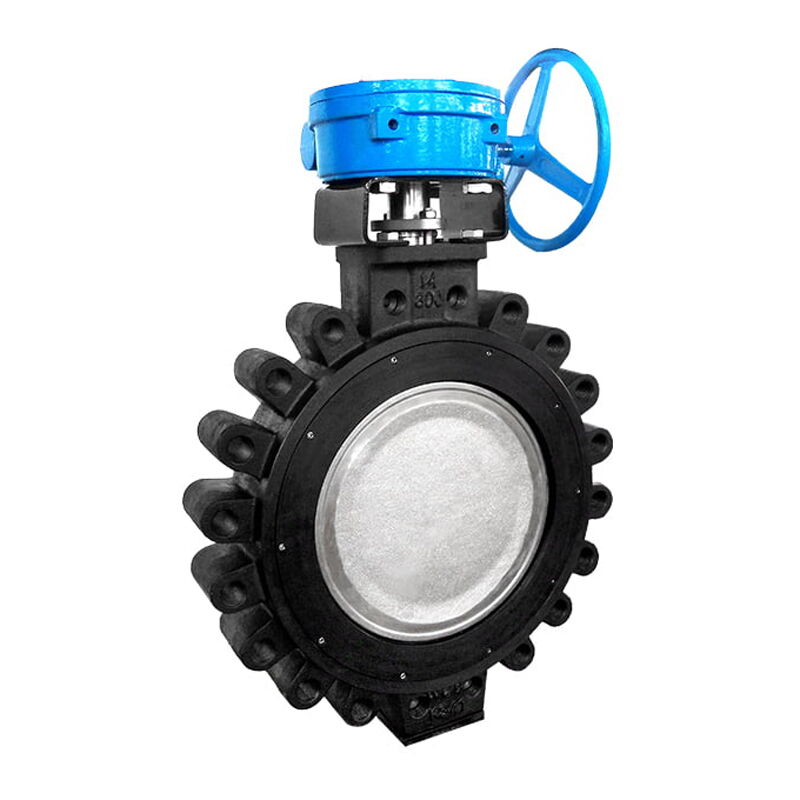
- Connection type: Confirm wafer, lug, double-flanged, or other configurations and ensure compatibility with the pipeline.
- Actuation: Determine whether manual, electric, or pneumatic operation is required.
- Standards and testing: Identify the applicable design, inspection, and pressure-testing requirements.
- Environment: Consider outdoor exposure, humidity, corrosive atmospheres, and enclosure protection.
- Lifecycle cost: Evaluate purchase price, installation, energy consumption, maintenance, replacement, and downtime.
This checklist helps prevent common procurement mistakes, such as selecting a valve based solely on nominal diameter, pressure class, or initial price. A well-defined technical specification also allows manufacturers to recommend appropriate configurations and identify limitations before the equipment enters service.
Different applications place different priorities on the valve. Municipal water systems typically emphasize reliable shutoff, potable-water compliance where applicable, corrosion protection, and long service life. Chemical processes place greater emphasis on compatibility between the seat, disc, body, and process medium. Cooling-water systems may prioritize low pressure loss, ease of maintenance, and reliable automated operation.
Large-diameter pipelines often benefit from the compact structure and lower weight of butterfly valves, while severe high-temperature, high-pressure, abrasive, or hazardous services may require a different valve design. The selection should reflect the actual operating conditions rather than assuming that one valve type is ideal for every application.
Where a soft-seated butterfly valve is technically suitable, the next step is to select the correct size, pressure rating, seat compound, body configuration, and actuator. Manufacturer documentation should be used to verify the proposed operating envelope, installation requirements, and maintenance recommendations.
Soft-seated butterfly valves have become important components in industrial and municipal fluid control because they combine compact construction, efficient quarter-turn operation, reliable shutoff under specified conditions, and attractive economics, particularly in large-diameter pipelines. Their applications extend across water supply, wastewater treatment, chemical processing, petroleum transfer, power plant utilities, and selected renewable energy systems.
Their performance, however, depends on choosing the right valve for the actual service. Seat materials such as EPDM, NBR, FKM, and PTFE offer different combinations of chemical resistance, temperature capability, and mechanical behavior. Pressure rating, differential pressure, disc geometry, actuator sizing, installation quality, and maintenance practices are equally important to long-term reliability.
For valve manufacturers, engineering teams, and industrial buyers, the best approach is to treat valve selection as a complete system-design decision rather than a simple product comparison. By matching the valve construction and sealing materials to the process conditions, verifying compliance with applicable standards, and maintaining the equipment correctly, users can achieve dependable isolation, reduced maintenance demands, and improved lifecycle value.
As sealing materials, manufacturing methods, and automation technologies continue to advance, soft-seated butterfly valves will remain a competitive solution for a wide range of low- and medium-pressure pipeline applications, provided that each design is used within its verified operating limits.